

By taking the name Leo, the first American pope, Robert Prevost, put the social doctrine of the Church front and center. With his encyclical Rerum Novarum (May 15, 1891), Pope Leo XIII drew upon recent pastoral experience and scholarly research to articulate a Catholic social vision for rapidly urbanizing and industrializing societies. It would be incorrect to imagine, however, that the Church did not always have a social teaching.
The monasteries of Europe were much more than places of prayer and contemplation—they provided a wide variety of social services for their surrounding communities. But they were also often thriving businesses that laid the foundation for the entrepreneurial success of the West. Here’s a look at one that continues that tradition today.
As the Catholic faith is incarnate and sacramental from its very founder, the Word made flesh, it attends not only to the care of souls but also to the needs and indeed joys of life. The lay, religious, and clerical paths manifest the Church’s commitment to this claim. Each must navigate the demands of its particular state of life while never losing sight of their common goal of sanctity as each contributes to the Church’s mission.
Just as Pope Leo XIV has drawn attention to artificial intelligence as a challenge to human dignity, Pope Benedict invited us to consider the long-standing tradition of monastic businesses as a response. Joseph Ratzinger chose Benedict as his patron because St. Benedict of Nursia helped bring Europe into existence. Following his example, countless men and women became monks and nuns living according to his famous rule. These monastics, along with other forms of conventual life such as canonesses and canons, formed a network that not only evangelized the inhabitants of the continent but also brought with them a new vision of human dignity.
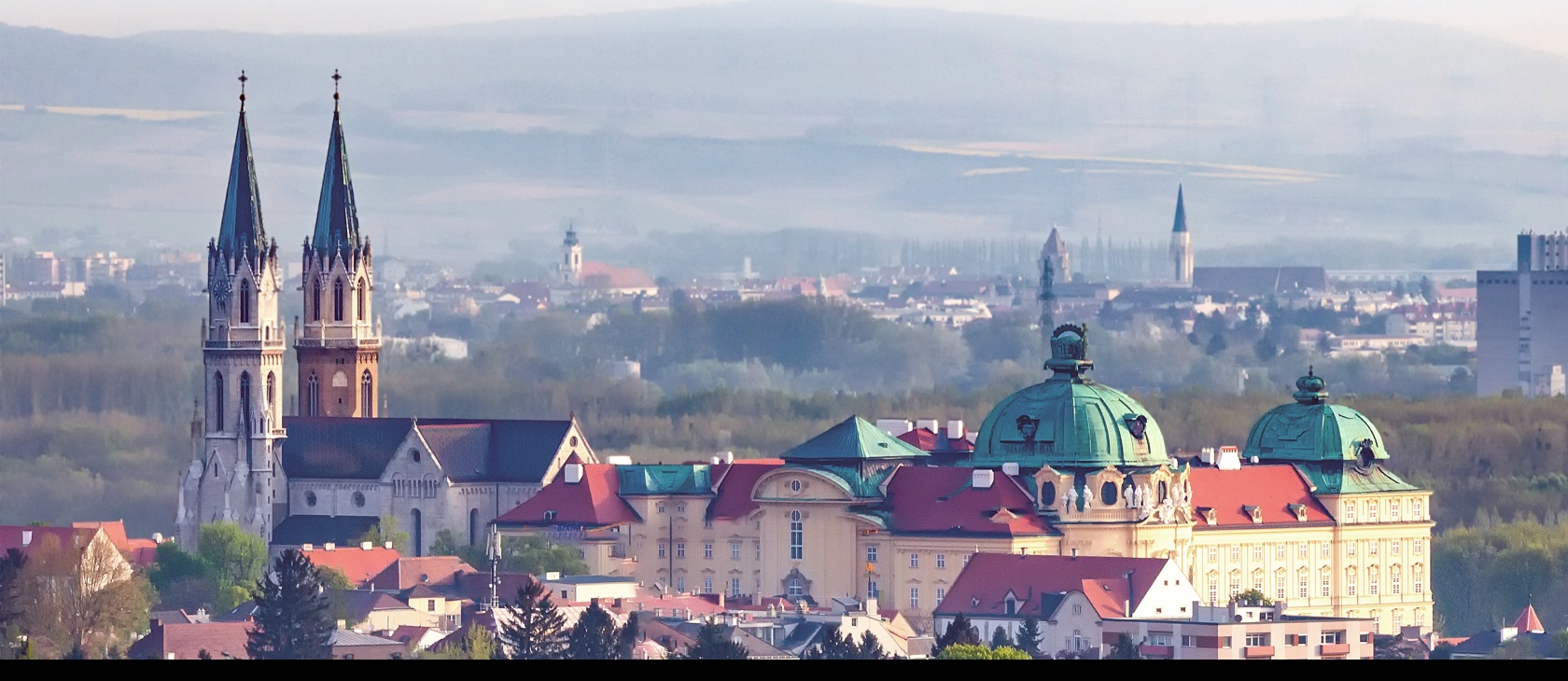
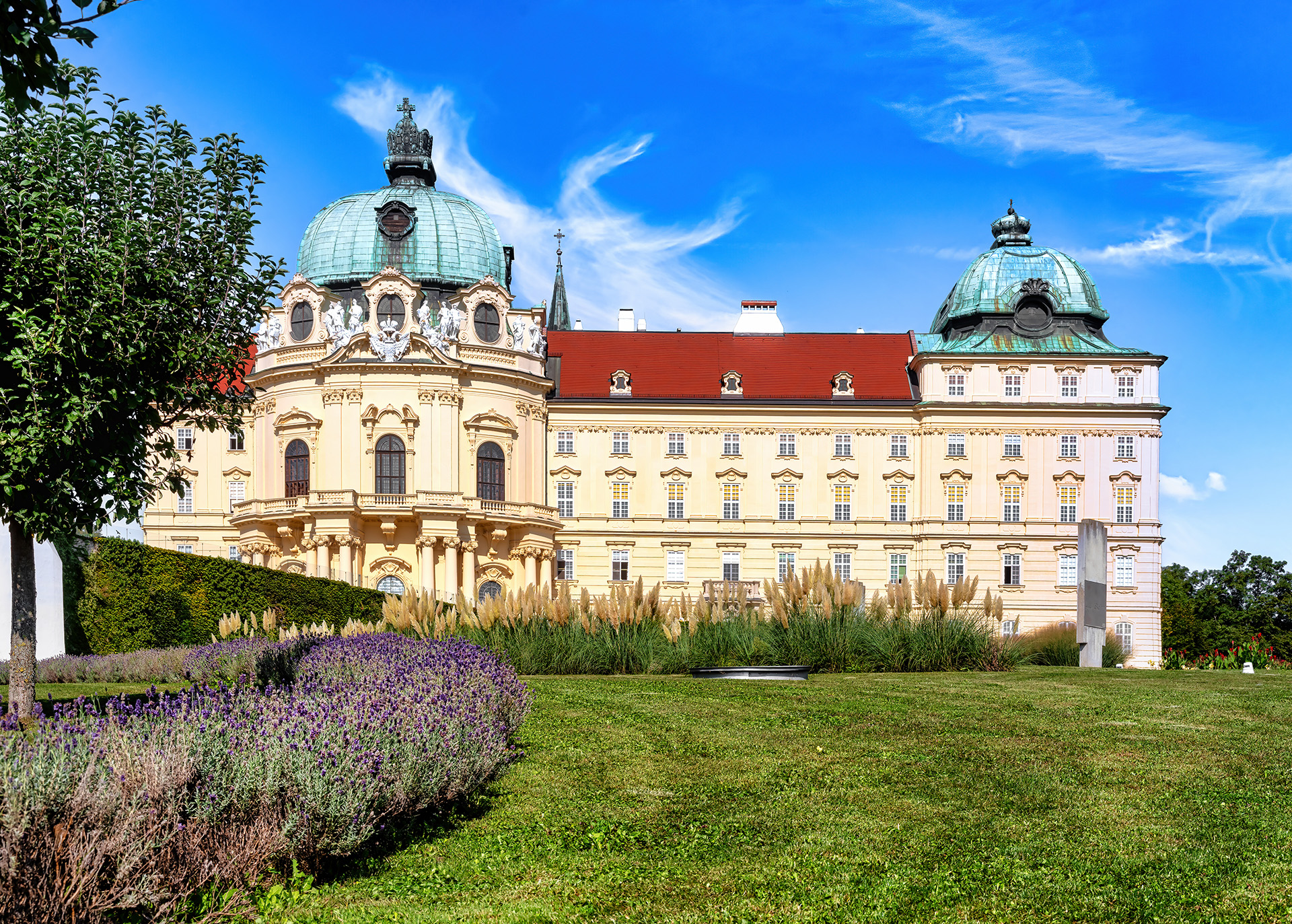
The example of Jesus himself and the Church in Jerusalem (Acts 2:42), as well as the hope for the new heavens and new earth (cf. Rev. 21:1), have inspired two millennia of monastic business practices. Thus, life on this earth and the life to come after the resurrection forms the two poles of tension in which Christians live, affirming the good of each without denying the good of the other. While addressing the subject in broad-brush strokes, I will be drawing upon examples from the local context in which I work, namely, Stift Klosterneuburg in Austria.

“Idleness is the enemy of the soul,” wrote St. Benedict, “and therefore the brothers ought to be occupied at fixed times in manual labor, and again at fixed times in lectio divina” (Rule of St. Benedict 48). In designating idleness a danger, St. Benedict was not merely criticizing vice; he was calling into question the values of his society. In Greco-Roman antiquity, otium, leisure, was the preserve of the elites. Freedom from the drudgery of work, which was the domain of slaves and the lower classes, left them free for public business (negotium), religion, art, and philosophy. That Cicero recommended in Pro Sestio (§96–104) that one exercise leisure with dignity (otium cum dignitate) suggests that idleness or less noble pursuits proved more attractive to many. This lack of dignity in the practice of otium not only connoted a personal failing but also posed a danger to the Roman republic by the abandonment of public affairs for private pleasure.
In a sense, Benedict translated Cicero’s otium cum dignitate into ora et labora. Manual labor disciplines the monk’s temptation to idleness, thereby conferring on him virtue and providing for the needs of the community. Through the quotidian rhythms of prayer (ora) and manual labor (labora), monastics grow in holiness, a path of holiness that influenced the canons as well. (Just as monks more and more were ordained priests, so the canons more and more adopted monastic practices.) Thus, the practice of the gospel redefined work, rendering what was once a privation of leisure (nec otium), labor, into a means of achieving personal tranquility (another meaning of negotium) through virtue.
This transvaluation of labor from demeaning to dignifying brought about a new appreciation for the nobility of business. The English word business derives from “busy-ness,” as in preoccupied with cares and concerns. The active sense of doing something, being busy, eventually replaced the original (now obsolete) passive sense of being occupied with worries. Might this semantic shift be a result of the gospel, which redeems and elevates this state of existential anxiety by giving agency to human beings and their labors? If that were the case, the dignifying of work came about in the so-called Middle Ages, when over centuries the gospel through the Church reshaped waves of migrants and the classical inheritance to give rise to Europe. Through the monastic and canonical vocations and their labors—whether manual or liturgical—they forged a new world.
While
Now widely recognized as entrepreneurs, the Cistercians turned remote and difficult wilderness into gardens. In The Cistercians: The Engines of Our Ingenuity, a radio program written and hosted by John H. Lienhard, we learn:
By the middle of the 12th century the order rode the cutting edge of hydropower and agriculture. A typical Cistercian monastery straddled an artificial stream brought in through a canal. The stream ran through monastery shops, living quarters and refectories, providing power for milling, wood cutting, forging, olive crushing. It also provided running water for cooking, washing and bathing, and finally for sewage disposal.
Monastic business not only improved the lives of its members but also provided the wealth to patronize the arts, learning, and research; to build churches and monasteries; to celebrate festivities of liturgical and life cycles; and to relieve human misery. A short list includes care for travelers, the sick, the poor, the orphaned and widowed, victims of natural disasters as well as the education of children, both girls and boys. Lay coworkers were commonplace in monastic businesses, providing the expertise and skills that the community lacked. For example, the Stift of which I am a part requires not only a convent of canons but also more than 200 employees to achieve its many goals in accordance with its ethical vision.
In designating idleness a danger, St. Benedict was calling into question the values of his society.
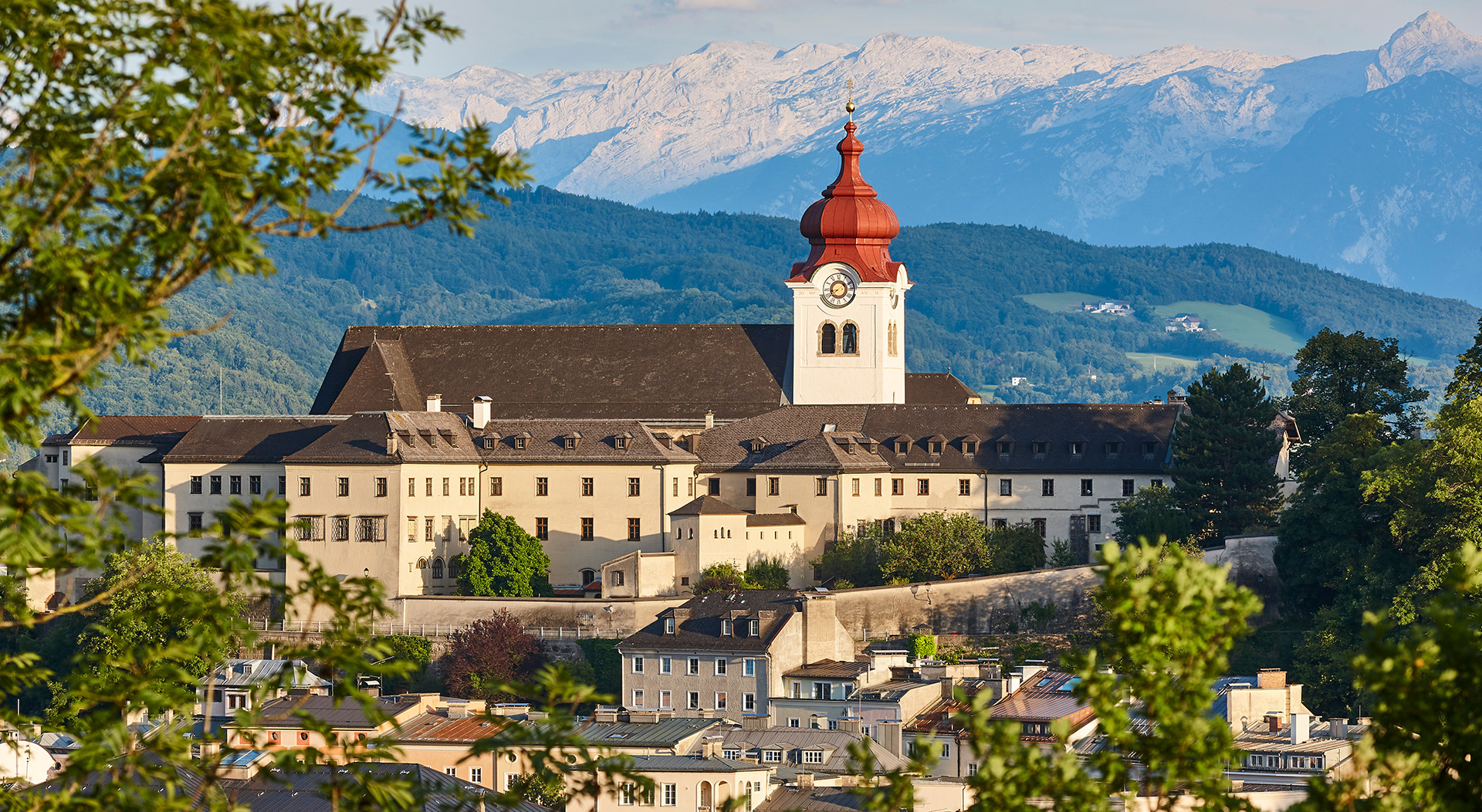
Between the 10th and 13th centuries, local rulers such as St. Leopold established monasteries of the old orders, i.e., Benedictines, Cistercians, Augustinian, and Norbertine canons, to care for their people. Indeed, the sheer number of monasteries in Österreich (Austria’s name in German) gave rise to the moniker “Klosterreich”—“rich in abbeys.” The monk St. Rupert founded the oldest monasteries at St. Peter in 696 and at Nonnberg in 714 in Salzburg. Despite wars, Protestant, Maria Theresian, and Josephinist reformations, and financial and social crises, many abbeys not only survived but also thrived. Indeed, to this day, the Austrian church relies heavily on religious clergy for pastoral work; in 2024, there were 1,691 diocesan priests and 1,193 religious priests. Moreover, the Austrian monasteries are important bearers of memory and culture as well as vital civic partners and generous patrons thanks to their firm commitment to love of God and neighbor.
Wealth, however, also poses challenges. Often the management of wealth and property tempers the fervor of the founding generation. Hagiographical and devotional literature often judge this as decadence. However, it need not be so. The monastic and canonical tradition are prior to the Franciscan vision of evangelical poverty. Benedictine monks and nuns vow obedience, stability, and conversio morum (pursuit of holiness). In Austria, Augustinian canons vow common property without private property. In both cases, the community possesses and manages wealth to care for its members, its obligations, and its mission.
By contrast, many equate a vow of poverty with a total lack of property. This doubtless stems from the powerful and deeply appealing personal charism of St. Francis of Assisi. While the example of Il Poverello has inspired countless people in the course of history (including most recently Pope Francis), it is, however, laden with an ambivalence that even the first Franciscans could not resolve. (In fact, they split into two orders over the issue.) How poor is poor enough? It should be noted also that Franciscan theologians contributed mightily to the development of economic thought through their reflection on the concepts of capital, industry, market, labor, fair interest, economic value, fair price, discount, and exchange rate.
Moreover, while poverty is an evangelical virtue, the Church teaches that destitution is an affront to human dignity. God had already condemned social injustices often and vehemently in the Old Testament while commending care for widows, orphans, and strangers and promising a future reign of peace and justice in the New. Beginning in Galilee, Jesus declared, “The time is fulfilled, and the kingdom of God is at hand; repent, and believe in the gospel” (Mark 1:15). God was fulfilling his promise in Jesus, a promise that every generation of Christians not only announces but also must practice. Since the beginning, the Church has not only relieved human suffering and need but also witnessed to their root cause—sin. Thus, St. Paul’s admonition that “the love of money is the root of all evil” (1 Tim. 6:10) is a call to awareness of the ease with which money becomes an end instead of a means, and to a careful consideration of its proper handling. With wealth comes responsibility.
This
With aspirations to found the first diocese in Austria, Leopold sent his most talented son, Otto, who was the first provost of the new Stift, to Paris, the hub of Scholastic humanism, to study with a group of 15 companions. Unfortunately for Leopold’s plan, Otto encountered austere Benedictine reformers, whereupon he elected to become a Cistercian monk in Morimond in 1132. (He did, however, become a bishop, but elsewhere he is remembered as Blessed Otto of Freising.) Urged by Otto as well as by the nearby bishops, Leopold decided to entrust the care of the Stift to the Augustinian canons in perpetuity in 1133. Indeed, we are actively planning the celebration of the 900th anniversary in the Jubilee Year of 2033.
The reformed canons adopted the Rule of Saint Augustine with its strong emphasis on common property: “Call nothing your own, but let everything be yours in common. Food and clothing shall be distributed to each of you by your superior, not equally to all, for all do not enjoy equal health, but rather according to each one’s need. For so you read in the Acts of the Apostles that they had all things in common and distribution was made to each one according to each one’s need (4:32, 35).” The rule gives the superior the authority and the mandate to safeguard the well-being of the community and the welfare of each member simultaneously. The effectiveness of the rule, therefore, depends on the quality of the leadership.
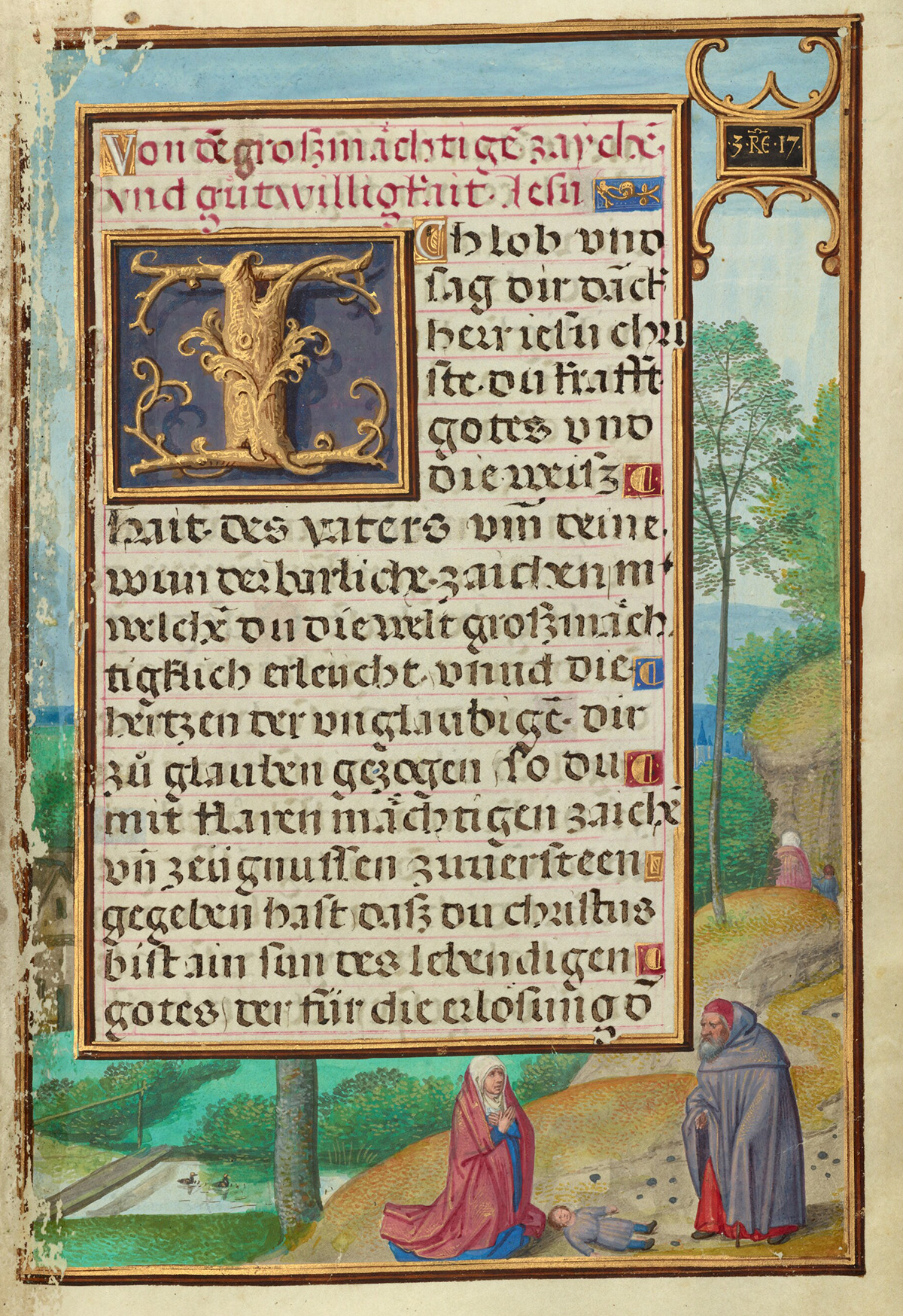
The oldest records confirm Leopold and Agnes’s generosity to the double monastery of canons and canonesses. Under the unified leadership of the provost, the canonesses under their own superior, the Magistra (Mistress), enjoyed considerable autonomy in both their daily lives and their businesses. Like the canons, the canonesses observed the Rule of Saint Augustine. They sang the Divine Office and the Mass in Latin, composed texts and chants, cared for the sick and the poor in their hospice, and educated girls in Latin, theology, music, and handicrafts in their school. The professed canonesses shared their home with other women, such as widows or married women whose husbands were away for a long period; their students; lay sisters; and servants. Unlike many other double monasteries that ceased to exist by the 13th century, the canonesses enjoy such financial stability that they were able to extend their church, St. Jakob, in 1261 to accommodate 30 canonesses.
With the arrival of the Protestant reformation and the ongoing incursions of the Ottomans, both the canons and canonesses suffered financially and spiritually. The last canoness, Magistra Apollonia Katzler, died in 1568, leaving all the goods, books, artworks, and property to the Stift. Meanwhile, even as the financial situation improved, the greatly reduced convent of seven canons (and the surrounding population) remained firmly Lutheran until the arrival of the Catholic reformer Kaspar Christiani. Having pensioned off the Lutheran canons, Christiani and his successors turned their attention to the spiritual renewal of the parishes and to securing the economic foundation of the Stift. By the mid-17th century, the local population was again firmly Catholic. Large baroque building projects at Melk, Klosterneuburg, St. Florian, and beyond, and their stunning artworks, attest to their spiritual and financial flourishing in the 17th and 18th centuries.
Until 1848, central European economic relations operated within the manorial system (Grundherrschaft) that defined the relationship between the owner of property (the Grundherr, “landlord”) and those who lived and worked on it. This system regulated the rights and duties of both parties. Property owners such as an abbey or noble families awarded the use of their lands to farmers in exchange for labor, money, or goods. The property owner also maintained the peace, heard first-instance court and justice cases, and acted entrepreneurially. The oldest entries in the Traditionskodex (a manuscript that records just over 800 records of legal transactions handed over to the Stift) report the possession of land and tenants from the start of the Stift to the mid-13th century.
Since the beginning, the Church has not only relieved human suffering and need but also witnessed to their root cause—sin.
The fusion of administration and ownerships underwent significant changes under the enlightened despots Maria Theresa and her son, Joseph II. As absolutism took hold, these liberal reformers transferred judicial and policing functions to the state, allowed farmers to pay cash instead of providing labor, and granted farmers freedom of movement, freedom to marry without their lord’s consent, and freedom to pursue trade and crafts. The imperial government abolished the manorial system in response to the revolution of 1848, one of several nationalist uprisings in Europe that were also reactions to working conditions imposed by the Industrial Revolution.
Excepting
The Austrian republic recognizes not only the federal government, federal states, and municipalities as public corporations but also, for example, universities, churches, and religious communities. A public corporation is a juridical person that performs sovereign duties according to its own rules. It defines its membership, its modes of governance, and its public tasks. In the case of the Stift, the solemnly professed canons constitute the membership. The existing members approve of new members. The solemnly professed constitute the chapter, the supreme governing body, and are called capitulars. Carrying the responsibility together for the Stift, the capitulars gather in the plenary chapter at least twice a year to approve budgets and large purchases and admit new members among other things.

Since it is not practical for the chapter to make decisions for day-to-day operations, the capitulars elect a chief executive officer, the provost, and his principal co-worker, the dean. In the Augustinian spirit, the provost is the one whom the brothers “set forth,” the praepositus, who rules as a brother among the confreres, rather than a father, abbot. (The Holy Father’s family name, Prevost, is a French variant of praepositus.) The provost oversees the entire operation, whereas the dean is mainly responsible for the care of canons and their common life. Assisting them is a chapter council that meets monthly. Additionally, the provost appoints officials such as the novice master, who oversees the formation of future canons, and the Kämmerer, who oversees the businesses with his own team.
The Stift’s enterprises are composed of those that earn income and those in which the income is invested. The former includes the winery, forests, organic farming, a wood-burning heating plant, real estate, the museum, and events. The latter consists of the convent, household, gardens, construction office, library, archives, research institute, art collections, music program, management, IT, personnel, and upkeep. Its income-generating enterprises, therefore, not only finance the Stift but also support the 24 Austrian parishes as well as the canons serving in Bergen, Norway, and Glen Cove, New York, and its social and charitable activities. (The Stift does receive a small contribution from the church contribution system, Kirchenbeitrag, for the pastoral work of the canons in the archdiocese of Vienna and St. Pölten.) Let us now take a closer look at the income-generating enterprises.
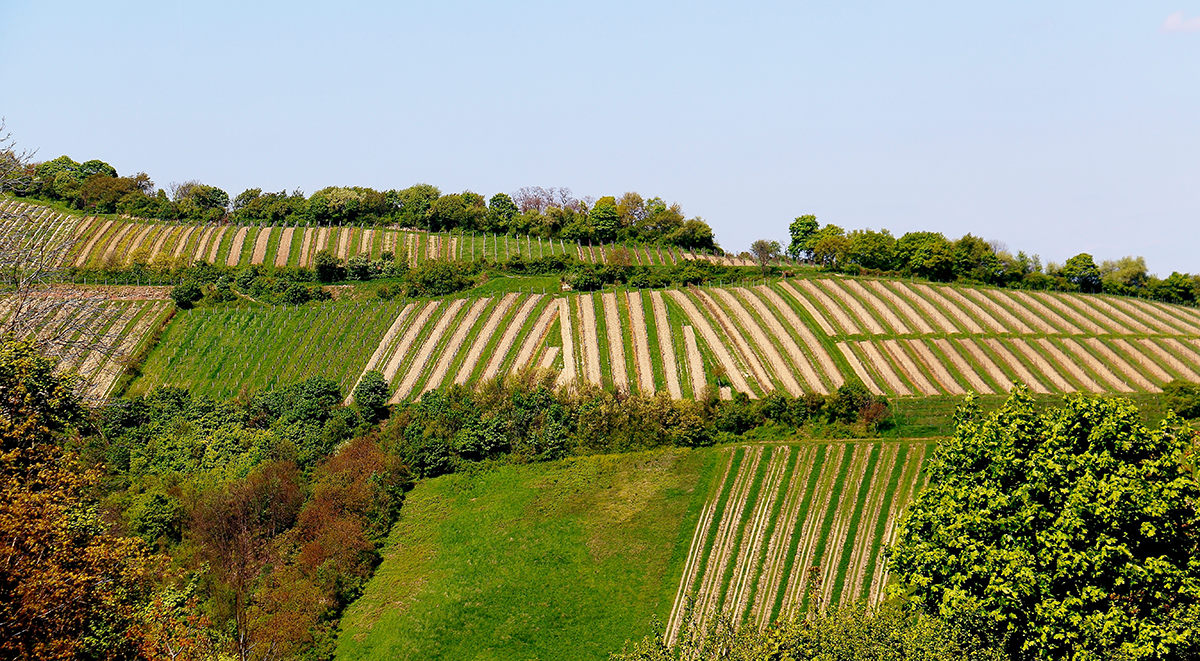
Located in one of the most fertile regions of grape cultivation in central Europe, the Stift has had from the start a close connection with wine. The demand for wine for both consumption and sacramental use upriver in Bavaria gave Danubian vintners a competitive advantage due to the ease of transportation on the river. Although its economic importance has varied, in the 18th century, for example, the winery earned over one third of the Stift’s total income, making it the most successful of its enterprises. Seeking innovation and greater productivity, the Stift cofounded the Klosterneuburg Viticulture Institute, the first of its kind in the world, under the leadership of Provost Adam Schreck in 1860. With 271 acres of vineyard in four locations, the winery cultivates a variety of grape sorts according to their microclimates that results in over 50 wines and fruit juices. Additionally, the Stift works with local partners to farm organically 960 acres of land.
The Stift has also undertaken forestry since its founding. Forests play an important role in the portfolio of Austrian abbeys since they reliably produce income even in difficult times. Currently managing 22,800 acres of forest in several locations, the forest office operates in long time spans, planting and harvesting trees over centuries. Thus, by its nature, such work requires patience and planning with an eye to future generations. Today, besides timber, forests can generate income through the leasing of ground for electricity-generating windmills and solar-panel farms.
Moreover, forests can also serve pastoral goals due to societal changes in burial practices. Since many Austrians are choosing cremation over burial, Stift Klosterneuburg, the Cistercian monastery Stift Heiligenkreuz, and the archdiocesan rent office Erzbistum Wien launched Klosterwald in 2019. With the approval of the Austrian bishops, the “forest cloister” inters cremains in biodegradable containers at the foot of a tree within a Christian framework. In 2024, a start-up national funeral home, Benu, merged with Klosterwald. The hope is that as forest burials gain popularity, religious communities, parishes, municipalities, and dioceses can earn income with their forests while accompanying families when a loved one dies.
Lastly, real estate management has always been an important pillar for the Stift. Currently, the Stift leases around 700 apartments, offices, and commercial premises in 73 buildings in Vienna and Lower Austria. The Stift also manages around 4,000 leasehold and building lease agreements for properties. The regulation of the banks of the Danube in 1870–75 transformed floodplain into permanently habitable land in the 21st district of Vienna in Floridsdorf (named after Provost Floridus Leeb, who rebuilt 26 homes after a flood) and Donaufeld. Since fire could also destroy homes and lives, Provost Gaudenz Dunkler directed the Stift to join other civic leaders in the founding of the Reciprocal Imperial and Royal Private Fire Insurance Company in 1824. The rebranded Vienna Municipal Insurance Company remains a close partner of the Stift to this day.
Since innovation necessarily entails risk-taking, the stift has favored more conservative strategies for wealth generation and management.
Since
The breadth and depth of Stift Klosterneuburg’s enterprises is attracting the interest of scholars who wish to understand the relationship between monastic businesses and institutional longevity. In 2025 the Stift initiated the multiyear research project Jenseits Ökonomie (Beyond Economy). The chief researchers, Martin Haltrich and Anna Vierlinger, explain that its title deliberately conveys a double meaning:
On the one hand, it examines how economic practices in this world (Diesseits) were linked to expectations of salvation in the afterlife (Jenseits)—through indulgences, foundations, pastoral care, charitable works, pilgrimages, and donations for the benefit of the soul. On the other hand, the project seeks to reconceptualise the economic agency of ecclesiastical institutions by viewing them as multifunctional organisations … that simultaneously acted as economic enterprises, social welfare providers, political stakeholders, and cultural producers.
The project therefore contributes to the burgeoning scholarship on monasteries as centers of innovation and entrepreneurship. Shifting the focus of economics from production and exchange to the management of material and immaterial resources as an integral component of economic life furthers the articulation of the social doctrine of the Church today.
In his address to the Centesmus Annus Foundation on May 17, 2025, Pope Leo observed a growing demand for the Church’s social doctrine to respond to the “widespread thirst for justice, a desire for authentic fatherhood and motherhood, a profound longing for spirituality, especially among young people and the marginalized.” Greater familiarity with the example of monastic business transforms the social doctrine into incarnated practices: “As you did it to one of the least of these my brethren, you did it to me” (Matt. 25:40).