
We must make the building of a free society once more an intellectual adventure, a deed of courage. —F.A. Hayek
Seventeen
The year 1776 proved to be a mixed blessing for economists, however: On the dark side, Rhode Island established wage and price controls. On the bright side, a book was published entitled: An Inquiry into the Nature and Causes of the Wealth of Nations.
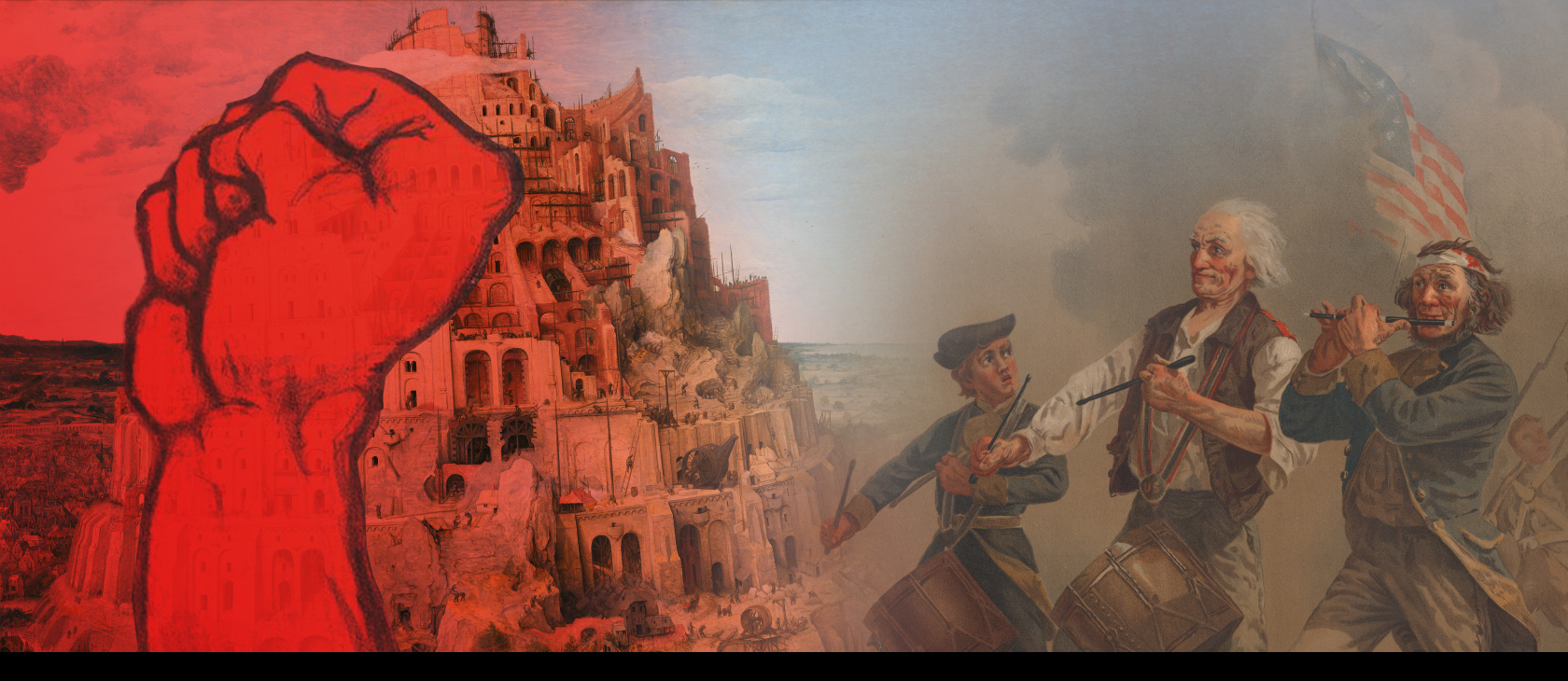
Socialism is on the march in the U.S. The reason is as old as the Tower of Babel.
This book explained that a nation could become wealthy if the government did not control the price and output of goods and services but instead adopted what the author described as an “obvious and simple system of natural liberty.”
Also in 1776, a document appeared—a Declaration of Independence—whose first sentence began: “When in the course of human events …”
Walter Isaacson defends the claim that the second sentence of this document is “the greatest sentence ever crafted by human hand.” The sentence reads “that all men are created equal, that they are endowed by their Creator with certain unalienable rights, that among these are Life, Liberty, and the pursuit of Happiness.”
Before 1776, decisions such as what goods were to be produced, how they were to be produced, and for whom were often made by a central authority, whether kings and potentates, military leaders, or government officials. But in 1776 a nation was born that rejected an economy controlled by kings and potentates, military leaders, and government minions.
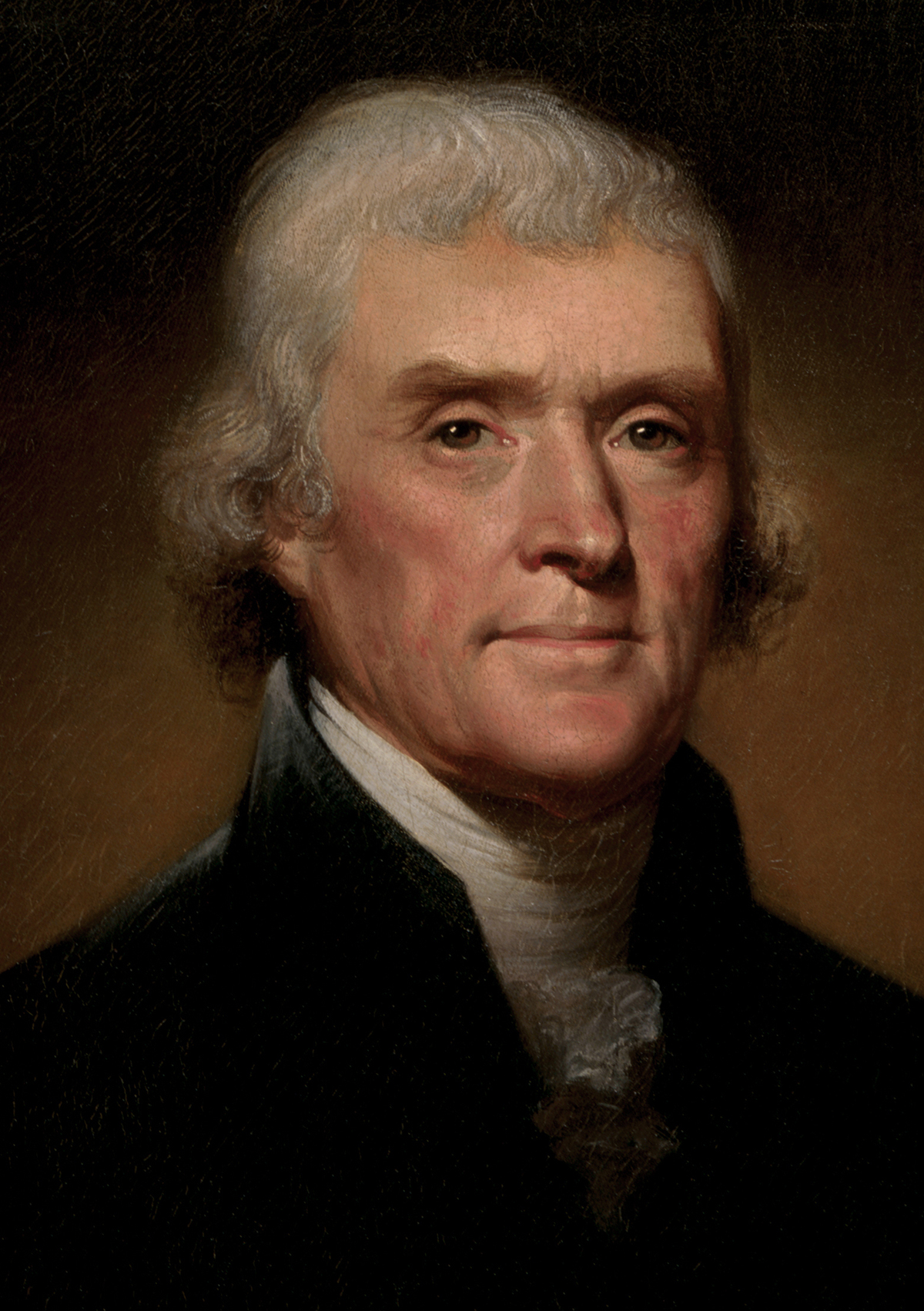
When the Founding Fathers convened a Constitutional Convention to give birth to a nation, they did not institute what came to be known as socialism. The signers of the Declaration of Independence knew that economies with centralized resource allocation had been around for centuries. They were aware that a nation could be built on government ownership of the means of production. But the republic they were forming had no such plan.
Indeed, Thomas Jefferson embedded in the nation’s Constitution an incentive for private individuals “to promote the Progress of Science and useful Arts, by securing … to Authors and Inventors the exclusive Right to their respective Writings and Discoveries.” Private property, human agency, and freedom to think and to do were the guideposts of the new nation.
From 1776 on, socialism, as a substitute for market allocation, never gained a significant foothold in the United States. Politicians who hoped to win elections rarely self-identified as socialists. Socialism, as an economic mechanism, seldom was front page news. Other countries did socialism. The United States did capitalism.
Until recently. And one wonders how this change came about.

It
In fact, socialism is more acceptable now than it ever has been. A 2025 Gallup poll showed that Americans approve of capitalism over socialism by a narrow majority, 54%, but this number is down from 60% in 2021. Democrats view socialism more positively than capitalism (66% versus 42%). A socialist is now mayor of the most influential city in the United States—NYC.
Polling by Axios/Generation Lab indicates that “34% of . . . college students say they have a somewhat or very positive view of socialism, compared with only 17% who claim to have a somewhat or very positive view of capitalism. Negative views of capitalism outweigh negative views of socialism by an even greater difference: 53% v. 23%.”
The Cato Institute recently conducted a survey indicating that 62% of Americans (in the age group 18–29) have a “favorable view” of socialism; 34% have a “favorable view” of communism. In the Cato survey the definition of socialism was left open. For some respondents, socialism may mean government owns the means of production and determines the distribution of income, while for others socialism may mean a welfare state, extensive regulation of business, wage and price controls, and a redistribution of wealth.

Whatever the taxonomy, a theme common to these respondents is a restrained enthusiasm for individual liberty and private property rights and an approval of state-sponsored collective endeavors.
Several explanations have been tendered as to why and how the U.S. could go from an economy where individuals were free “to pursue Life, Liberty, and the pursuit of Happiness” to one where the government would set prices and wages, replace private ownership with public ownership, and tax those with high net worth and incomes.
Four reasons constitute the conventional wisdom for socialism’s appeal. I review these and add a fifth that is theological in nature and, in my opinion, more significant than any of the four.
The first and most transparent reason for socialism’s appeal is ignorance. Presumably, some socialists are unaware of how free markets have supplied millions of consumers with better products at lower prices and are unaware that socialist economies have not been models of efficiency, innovation, and enhancing consumer welfare. If this ignorance were of no consequence for the body politic, one would be tempted to say, “Father, forgive them, for they know not what they do.”
Socialism is more accepted now than it has ever been.
A second reason is because human emotions are susceptible to the allure of socialism. Sidney Hook argued it is socialism’s aspirational agenda that captures the heart by promising to end poverty, achieve equality, and bring about social harmony. At one time, Hook was a Marxist who favored a socialist economy. After rejecting Marx’s “scientific socialism,” however, he wrote:
I was guilty of judging capitalism by its operations and socialism by its hopes and aspirations; capitalism by its works and socialism by its literature. To this day, this error and its disastrous consequences are observable in the judgment and behavior of some impassioned individuals, mostly young.
To pursue the common good with “hopes and aspirations” is winsome and noble to those who do not understand the hidden economic logic behind Adam Smith’s statement that “it is not from the benevolence of the butcher, the brewer, or the baker, that we expect our dinner, but from their regard to their own self-interest.”
Hook recognized it is more inspirational to embrace Marx’s words, “From each according to his ability” than to embrace Adam Smith’s description of those who give “regard to their own self-interest.” Socialism seems to be about economic empathy. Capitalism seems to be about economic selfishness. And so socialism appears to occupy the moral high ground. Adam Smith’s “self-interest” comes across as deucedly self-centered to those untutored in economic analysis.
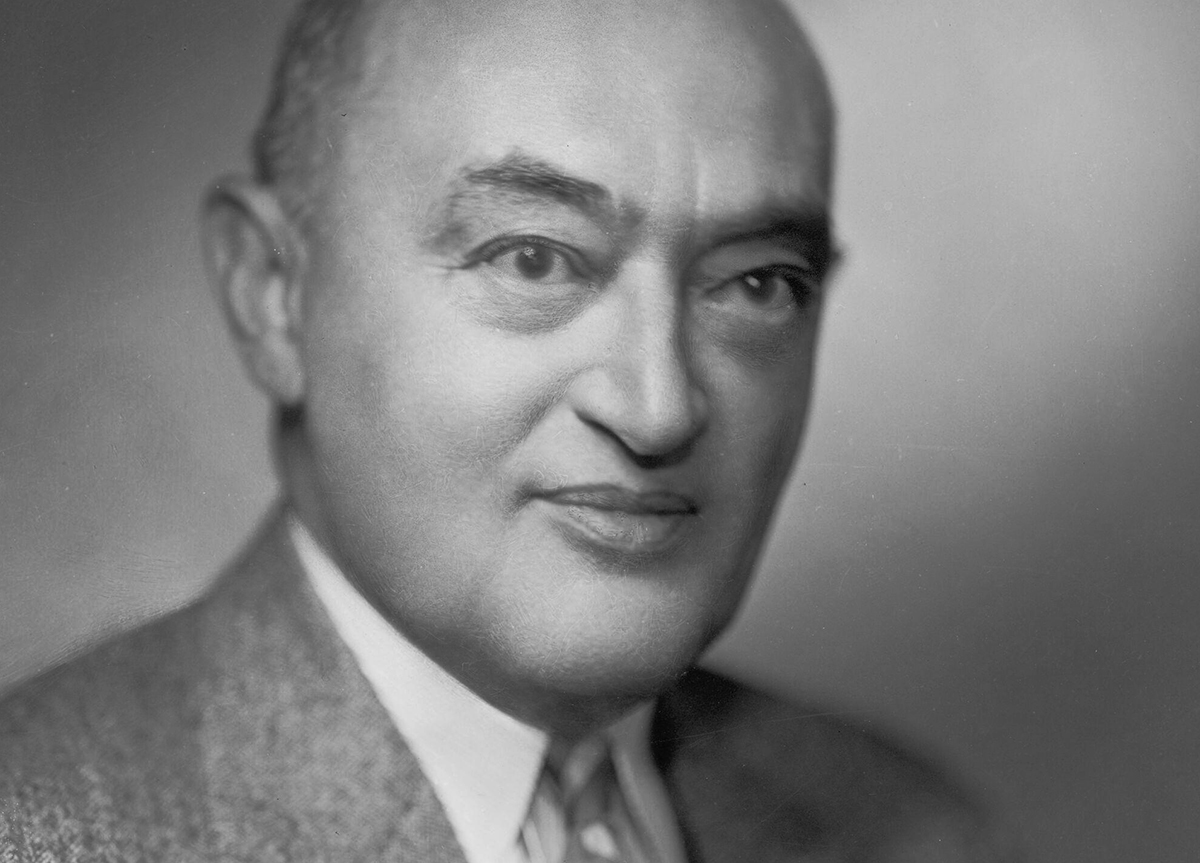
Friedrich Hayek made much the same point: “Socialist thought owes its appeal to the young largely to its visionary character; the very courage to indulge in Utopian thought is in this respect a source of strength to the socialists which traditional liberalists sadly lack.”
Rich Bitterman, an evangelical pastor, explained how this happened in a 2025 essay:
Universities teach theories that sound compassionate but fail to account for human sin. Social media floods the young with simplified slogans about equality. Celebrities praise systems they have never lived under. Teachers frame collectivism as kindness. Activists speak about fairness without acknowledging the cost authoritarian systems demand. Young adults have grown up immersed in these voices.
The church did not teach them another way. The church did not warn them about the hunger in Venezuela or the cells of Cuba or the broken families in Eastern Europe. The church did not open the Scripture and show them why coercion contradicts the gospel. The church stayed quiet because it feared controversy. And silence preached a sermon all its own.
One need not read a book or even a tract favoring socialism to become an advocate. A recipe calling for 1/3 cup of desire for a perfect world; 1/3 cup of contrived guilt about one’s economic blessings; and 1/3 cup of envy whisked together in a cultural bowl of postmodernism will produce a moral theory of socialism.
A
The first and most transparent reason for socialism's appeal is ignorance.
In explaining the allure of socialism for intellectuals, Hayek contended it was not the case “that the more intelligent people are generally socialists, but that a much higher proportion of socialists among the best minds devote themselves to those intellectual pursuits in which modern society give them a decisive influence on public opinion.”
Schumpeter asked the question: Can capitalism survive? The answer he gave is: Probably not. In his book Capitalism, Socialism and Democracy, he wrote: “I have tried to show that a socialist form of society will inevitably emerge from an equally inevitable decomposition of capitalist society.” Schumpeter argued that the economic success of capitalism would create a class of intellectuals who had no responsibility for the world of commerce but would create a hostile climate for an enterprise economy.
In a similar vein, Stigler wrote, in The Intellectual and the Market Place and Other Essays: “The intellectual has never felt kindly toward the market place: to him it has always been a place of vulgar men and of base motives. Whether this intellectual was an ancient Greek philosopher, who viewed economic life as an unpleasant necessity … or whether this intellectual is a modern man, who focuses his scorn on gadgets and Madison Avenue, the basic similarity of view has been pronounced.”
Stigler added that among intellectuals “the contempt for the ‘profit motive’ … is widespread and the suspicion of the behavior to which it leads is deep-seated.” He concluded: “The main indictment of the intellectual … is that the market place operates on the principle of self-interest [described as] egotism, greed, and dog-eat-dog … a crass, antisocial element of man’ s character and an economic system that rests upon … this motive achieves little admiration.”
Few people have the temerity to argue that a trio made up of Hayek, Schumpeter, and Stigler is mistaken. But it would be improper to overlook a fourth appeal of socialism: an appeal to the millions who struggle to put food on the table and pay the rent. The promises of socialism provoke many ordinary people to consider: maybe a government-run grocery store would be an improvement over the rising prices we pay for food; maybe rent controls would keep landlords from raising what it costs us to stay in our home; maybe buses and childcare could be provided by the government at zero price and afford us work opportunities we don’t have now.
The free stuff of socialism is appealing if one never encountered Margaret Thatcher’s riposte: “The problem with socialism is that you eventually run out of other people’s money.”
As
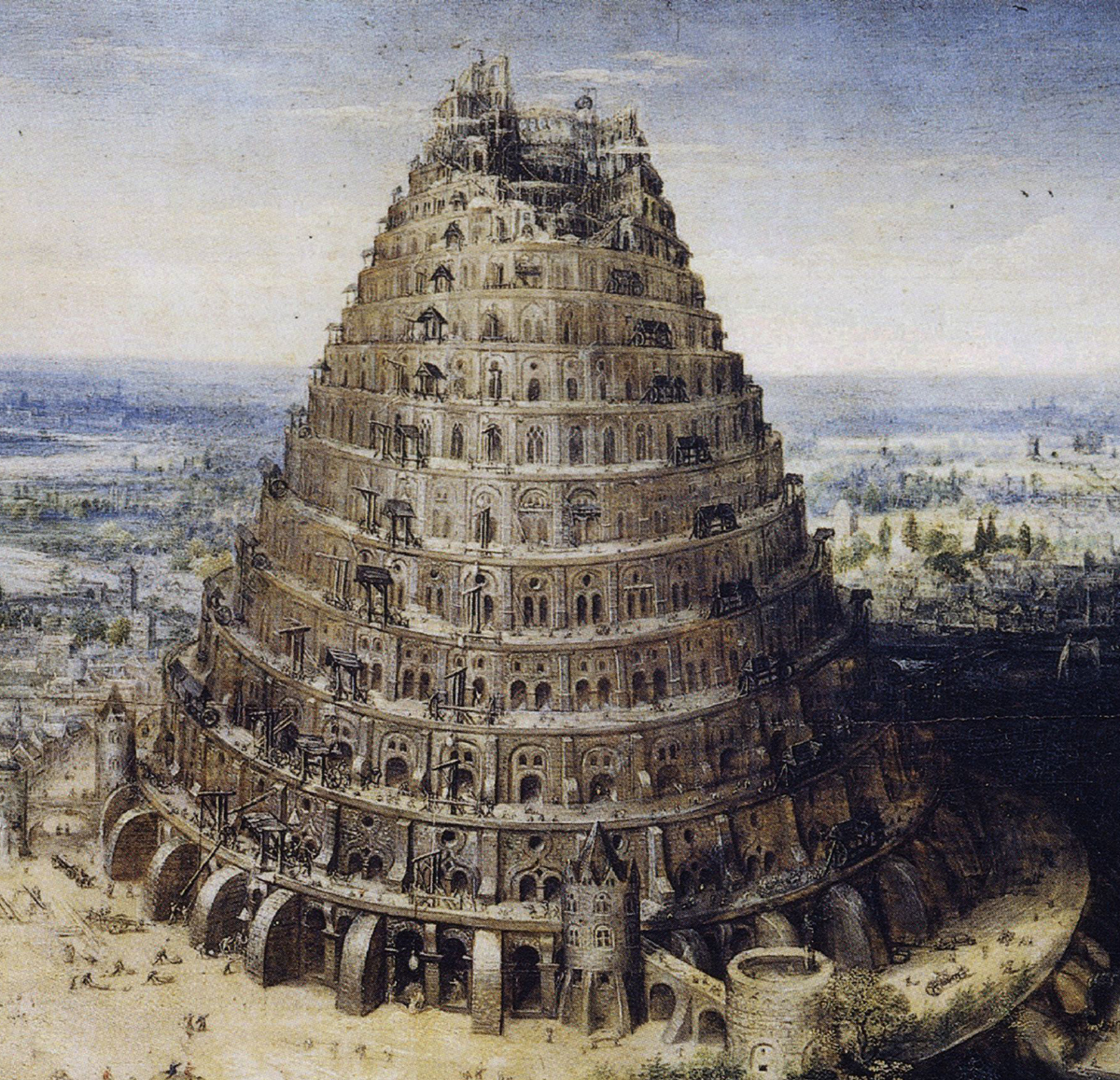
According to the biblical narrative, there was a time when people said, “Come, let us build ourselves a city, with a tower that reaches to the heavens, so that we make a name for ourselves and not be scattered over the face of the whole earth” (Gen. 11:4).
The story goes on: The Lord “came down to see the city and the tower that the men were building” and He brought a stop to the endeavor. “So the Lord scattered them from there over all the earth, and they stopped building the city. That is why it is called Babel—because there the Lord confused the language of the whole world. From there the Lord scattered them over the face of the whole earth” (Gen. 11:8–9).
Note the parallel between the description of the Tower of Babel and the following description of socialism by Friedrich Engels: “The whole sphere of the conditions of life which environ man, and which have hitherto ruled man, now [under socialism] comes under the dominion and control of man, who for the first time becomes the real, conscious lord of nature, because he has now become master of his own social organization.”
The Hobbits of the United States, the ordinary people, are not afflicted with what Hayek called the "fatal conceit."
The vision of Engels is a revised version of the vision of Babel. Viewed through a theological lens, the theory behind socialism—that man can become the “master of his own social organization”—is as old as the book of Genesis.
Leon Kass, in The Beginning of Wisdom: Reading Genesis, argues that the Tower of Babel represents the “quest for self-sufficiency; and man’s quest for fame and immortality.” Kass’s interpretation of the ancient story of Babel squares with the socialism of Marx and Engels by virtue of its “absence of reverence, the vaunt of pride, the trust in technique, the quest for a material power, the aspiration for self-sufficiency, the desire to reach into heaven—in short, the implied wish to be as gods, with comparable creative power.” Kass adds: “From God’s point of view, the city of man [as reflected in the Tower of Babel] is, in its deepest meaning, at best a form of idolatry and self-worship, and at worst a great threat to the earth.”
The biblical view of humanity is not that of people as commanders and masters. Just the opposite. In the most widely known portion of the Psalter, mankind is referred to as sheep in need of a shepherd. Psalm 23 begins, “The Lord is my shepherd . . .” While Marx and Engels put mankind on a pedestal, the author of Psalm 23—David (King David at that)—puts mankind in a pasture. The contrast could not be more different.
If
One reason is because these individuals reject the hubris that characterizes the builders of the Tower of Babel. Instead, they admire and cultivate the virtue of humility. Humble people, by their nature, do not want to control the lives of others. They are content to be more like sheep who have a good shepherd. That shepherd is their God. For many ordinary people, religion is not their “opiate” (as Marx argued). Rather, religion shapes their identity and gives their lives meaning.
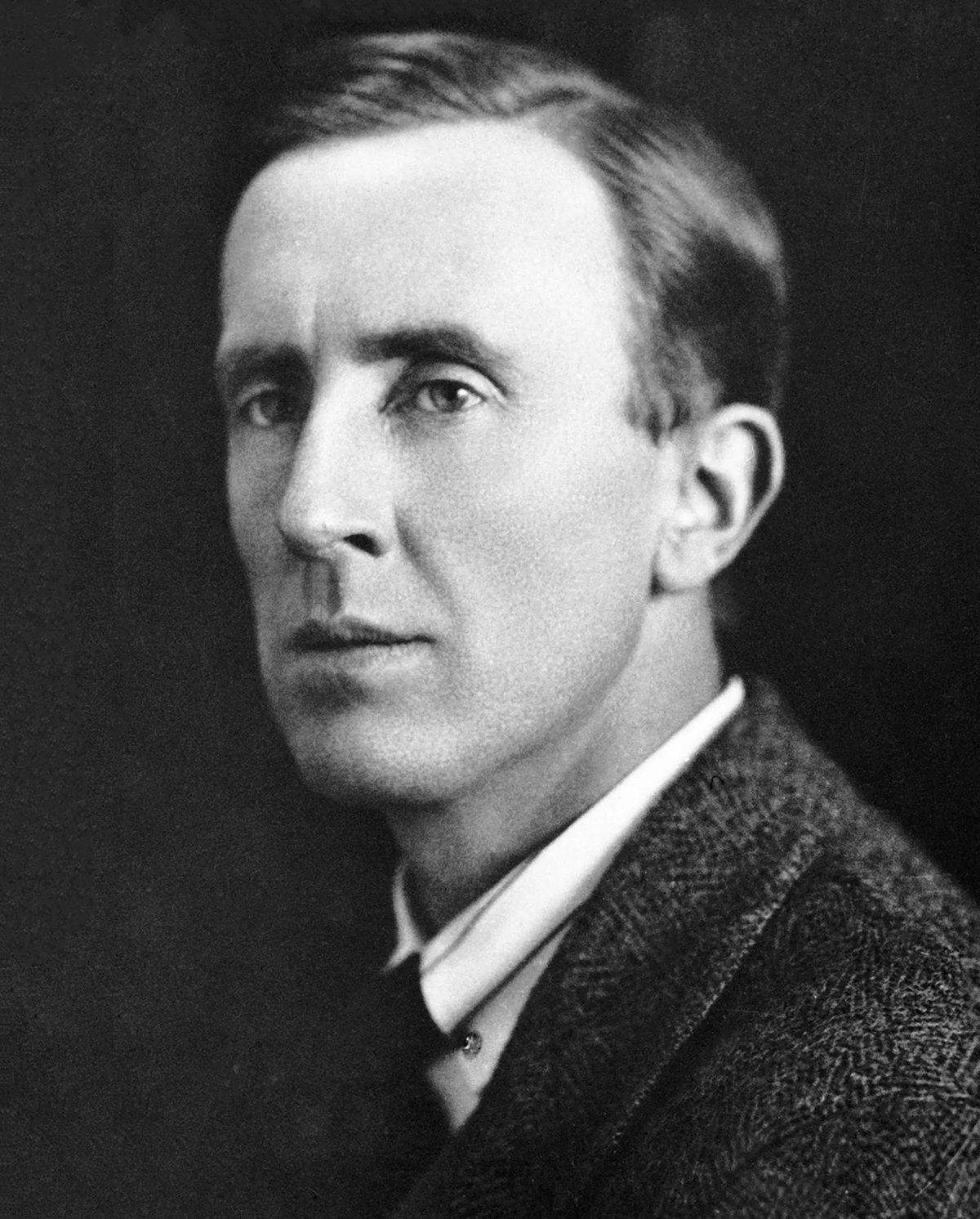
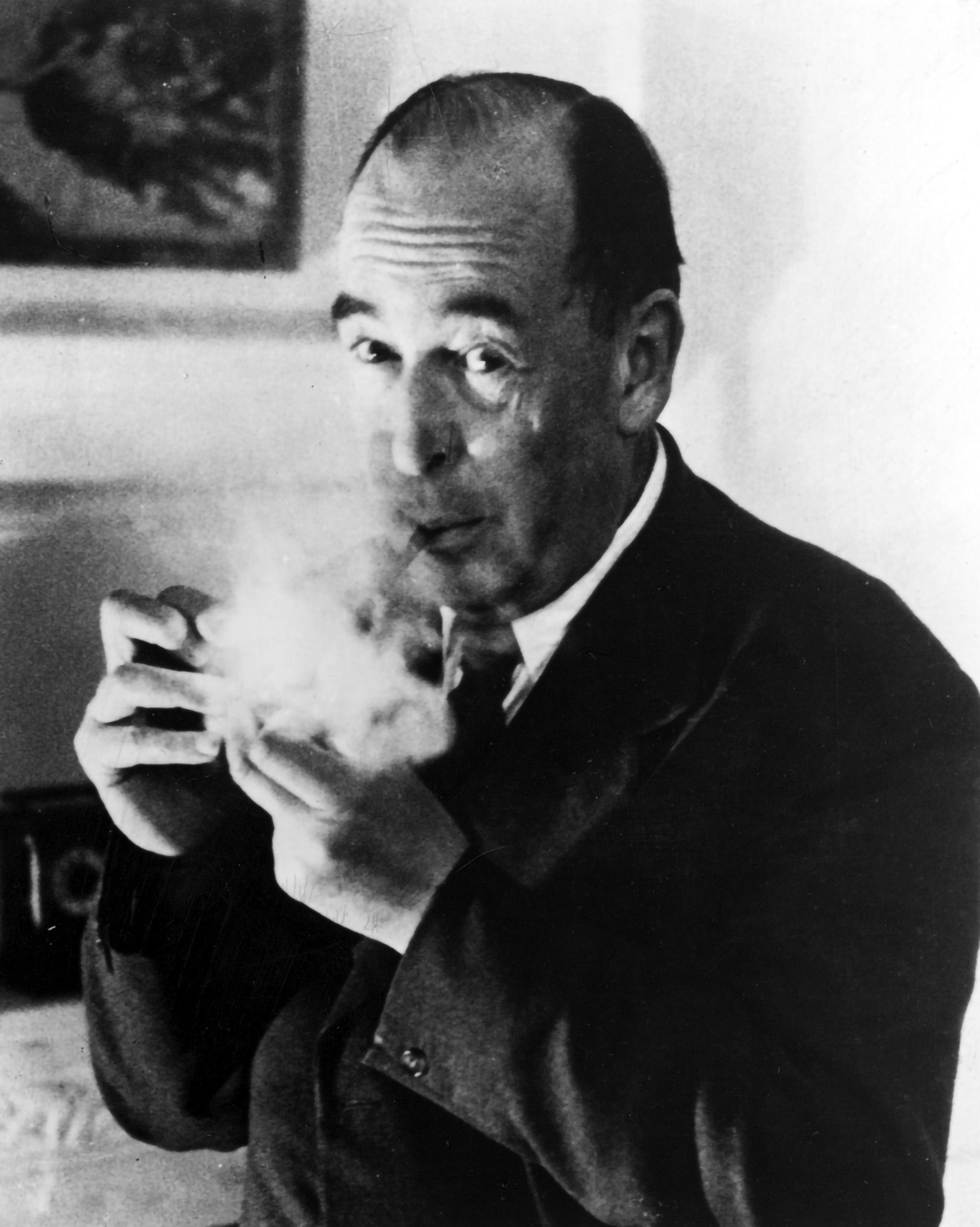
Hook complained that socialism had alluring literature that capitalism did not. I do not dispute his contention, but capitalism can claim two prominent men of letters: J.R.R. Tolkien and C.S. Lewis, both of whom could restrain their enthusiasm for socialism.
Tolkien was the Merton Professor of English Language and Literature at Oxford. He had no formal training in economics but there is no question about his merits as a litterateur. Tolkien wrote one of the great novels of the 20th century, a work of fiction that subtly echoes the aspirations of the Founding Fathers. In The Lord of the Rings, Tolkien presents a fictional world where some creatures have no interest in power. They are the hobbits, the good guys in the story, the ones who do not aspire to build a Tower of Babel. The hobbits did not want the Ring of Power, the symbol of unfettered control and power. Nicholas Ziegenhagen put it this way in his article “The Priest & the Magician”: “They wanted good conversation, stories and songs, good beer, homegrown tobacco, warm bread, local cheeses. … The hobbits represent the other way—the smaller, quieter way, the way of the meek.”
The hobbits of the United States, the ordinary people, are not afflicted with what Hayek called the “fatal conceit.” Rather, they desire what Tolkien depicted as the “smaller, quieter way.” They are not attracted by those who would build today’s Tower of Babel.
In The Lord of the Rings, Gandalf does not take the opportunity to use the magic Ring of Power to defeat its evil creator. He realizes that to use power to defeat evil is itself a temptation. As Ziegenhagen explained, “To possess the Ring of Power is to be possessed by the Ring of Power. It is as if the fictional Gandalf understood Lord Acton: that power corrupts.”
Like his friend Tolkien, C.S. Lewis had no training in economics. But he understood that a central flaw of socialism is its foundation of pride and hubris, the same flaw represented in the Tower of Babel. Lewis was uncomfortable when some individuals were given control over the lives and property of others. He viewed limited government as a necessary evil and described government as being like medicine, not food. Consider these words of Lewis and note their parallel to the earlier concerns of the Founding Fathers in starting a new nation:
The question has become whether we can discover any way of submitting to the worldwide paternalism of a technocracy without losing all personal privacy and independence. Is there any possibility of getting the … Welfare State’s honey and avoiding the sting? Let us make no mistake about the sting…. To live his life in his own way, to call his house his castle, to enjoy the fruits of his own labour, to educate his children as his conscience directs, to save for their prosperity after his death—these are wishes deeply ingrained in civilized man.
Lewis feared tyranny in the same way the Founding Fathers did. He wrote: "Of all the tyrannies, a tyranny exercised for the good of its victims may be the most oppressive."
This language gives flesh to the “Life, Liberty, and the pursuit of Happiness” words of Thomas Jefferson in the Declaration of Independence. Lewis feared tyranny in the same way the Founding Fathers did. He wrote:
Of all the tyrannies, a tyranny exercised for the good of its victims may be the most oppressive. It may be better to live under robber barons than under omnipotent moral busy bodies. The robber baron’s cruelty may sometimes sleep, his cupidity may at some point be satiated; but those who torment us for our own good will torment us without end for they do so with the approval of their own conscience.
Resting his contention on the Christian doctrine of the fallen nature of man, Lewis predicted:
All that can really happen [under socialism] is that some men will take charge of the destiny of the others. They will be simply men; none perfect, some greedy, cruel and dishonest. The more completely we are planned, the more powerful they will be. Have we discovered some new reason why, this time, power should not corrupt as it had done before?

Lewis’s
The book of Genesis teaches that what Marx and Engels later called “scientific socialism” was there from the beginning. The case for socialism made by intellectuals is the crop from seeds sown millennia ago. In “The Intellectuals and Socialism,” Hayek conjectured, “It may be that a free society as we have known it carries in itself the forces of its own destruction, that once freedom has been achieved it is taken for granted and ceases to be valued, and that the free growth of ideas which is the essence of a free society will bring about the destruction of the foundations on which it depends.”
No one has a crystal ball that can predict what kind of economy will characterize the United States at the time of its 300th birthday. The future may, in fact, be socialism. Hayek, Schumpeter, and Stigler feared that it would be. Senator Sanders and Mayor Mamdani may prove them right. According to the biblical narrative, the quest to build the Tower of Babel is endemic to human nature. Kass put it this way: “Babel is the quintessential city … the beginning of Genesis shows us not so much what happened as what always happens.” Let us pray he is wrong and that the wisdom of our founders will prove an ever-potent remedy for the folly of those who would be God.
(This essay is adapted from a lecture presented at the Charlottesville Conference of the Adam Smith Program at George Mason University, February 20–22, 2026.)