



Totalitarian ideologies are supposed to be on the ash heap of history. With the apparent triumph of liberalism first in World War II and then in the Cold War, history has allegedly come to an end. And yet discontent simmers just beneath the surface of Western society. Young people increasingly turn to these supposedly discredited ideologies of both the right and the left. So many want to go beyond liberalism and answer their hunger for meaning through power politics.
Nothing short of conversion will save this generation from ideology’s corrupting influences.
Thus far, very little seems to abate the rise of the new radicalism. New York City’s young voters, for example, elected an avowed socialist as mayor just last fall. On the right, too, large numbers of Conservatism Inc.’s young staffers are adopting increasingly reactionary poses—including noxious anti-Semitism. These trends are, without question, the most troubling in American politics—and they must be stopped. Simply scolding youthful extremists, however, or intoning the old slogans of liberalism will not win over converts to moderation. Nor will technical solutions promising material abundance sate the spiritual longings driving the rise of extremism. In no small measure, totalizing ideology holds such an appeal for the disaffected young because the centrist establishment offers so little by way of a truly moral vision. And, as the Proverb goes, “Where there is no vision, the people perish.”
George Orwell was among the 20th-century intellects who explained why the ideological mode of thinking captivates so many. Throughout his wartime writings, the socialist was very honest about why Nazism came to power in Germany. “Whereas Socialism, and even capitalism in a more grudging way, have said to people ‘I offer you a good time,’” he wrote in a 1940 review of Mein Kampf, “Hitler has said to them ‘I offer you struggle, danger and death,’ and as a result a whole nation flings itself at his feet.” Totalitarians of the left and right alike tell their impressionable followers they are fighting for more than self-interest; they claim to be fighting for meaning in a meaningless world.
Even as we seek to understand the totalitarian temptation, though, we must never appease it. Conservatism, as the movement’s founder Russell Kirk understood, must be the negation of ideology. We cannot allow our movement to be redefined by the followers of discredited doctrines, and we must possess the moral clarity to see through the false promises of totalitarianism. Instead of grasping after online influence or centralized power, conservatives ought to advance our own vision of what gives life meaning. Only by inviting the next generation to renew what Edmund Burke called the “eternal contract of society” might we redeem the times.

Two guides for this task can be found in the pantheon of 20th-century conservative minds: Eric Voegelin and Whittaker Chambers. Voegelin was a German political theorist who fled Germany in the 1930s to avoid persecution by the Nazis. Chambers was among the most important ex-communists who urged the United States to stand firm in the struggle against the Soviet Union. Their efforts to combat ideology can inform our own today.
Voegelin was an uncompromising critic of both the left and the right. Late in life, he even refused to be identified as a “conservative” because he feared the American movement bearing that name had become too ideological. It is precisely this intellectual courage that makes him a vital voice for our time. Voegelin’s call to philosophy can inspire us to rise above the din of incessant partisan squabbling and endless social media posting and resist the siren song of gnosticism.
Born in Cologne at the outset of the 20th century, Voegelin was well positioned to understand the crisis facing the modern West. He perceived that it was not primarily material or even political in nature, but rather spiritual. Reaching into the ancient past, he labeled the force behind modernity’s disorder as gnosticism. In antiquity this was the heresy rooted in a hatred of the world and a desire to transcend it. Today, though, it takes on an even more sinister quality as it seeks not only to transcend the world but impose an altogether new order on it. To Voegelin, this is the very essence of totalitarianism.
Conservatism must be the negation of ideology, as the movement's founder, Russell Kirk, understood.
Perhaps Voegelin’s most famous description of gnostic tyranny comes in his 1952 book The New Science of Politics. He warned that ideology seeks to “immanentize the eschaton”—that is, bring about the apocalypse and create heaven on earth. In some ways, it is easy to see how attractive this heresy could be; the world is a disappointing place, and we all wish it could be better than it is. But Voegelin saw perceptively that the utopian promise is nothing more than a “fallacy.” History does not have an “eidos” or essence, he wrote, “because the course of history extends into the unknown future.” The gnostics’ confident declaration about the “meaning of history, thus, is an illusion.”
The two most dangerous gnostic ideologies of the twentieth century, of course, were Nazism and communism. As David Corey has written, “Ideology designated for [Voegelin] a system of ideas that purports to explain reality and man’s place in it, a system with political activism as its goal, but which, in fact, badly misrepresents the human condition by failing to acknowledge either its limits or its possibilities.” The Nazis proposed their sick concept of racial purity as the eidos of history for the basis for their political activism. Voegelin saw through the lie: Before they came to power, he wrote incisive books dismantling their race science and defending human dignity. For his efforts, he had to flee Germany in 1938, eventually finding refuge in the United States.
Unlike so many in the liberal West, though, Voegelin’s hatred of the Nazi regime did not make him blind to the sickening utopianism behind communist ideology. He held that gnosticism is “the dynamic core in the Marxian mysticism of the realm of freedom and the withering-away of the state.” It provided a justification not only for the Nazis’ concentration camps, but also the gulag prisons of the Soviet Union. Whenever gnosticism reared its ugly head, Voegelin wrote, “the result was the fall into anti-Christian nihilism, into the idea of the superman in one or the other of its variants—be it the progressive superman of Condorcet, the positivistic superman of Comte, the materialistic superman of Marx, or the Dionysiac superman of Nietzsche.”
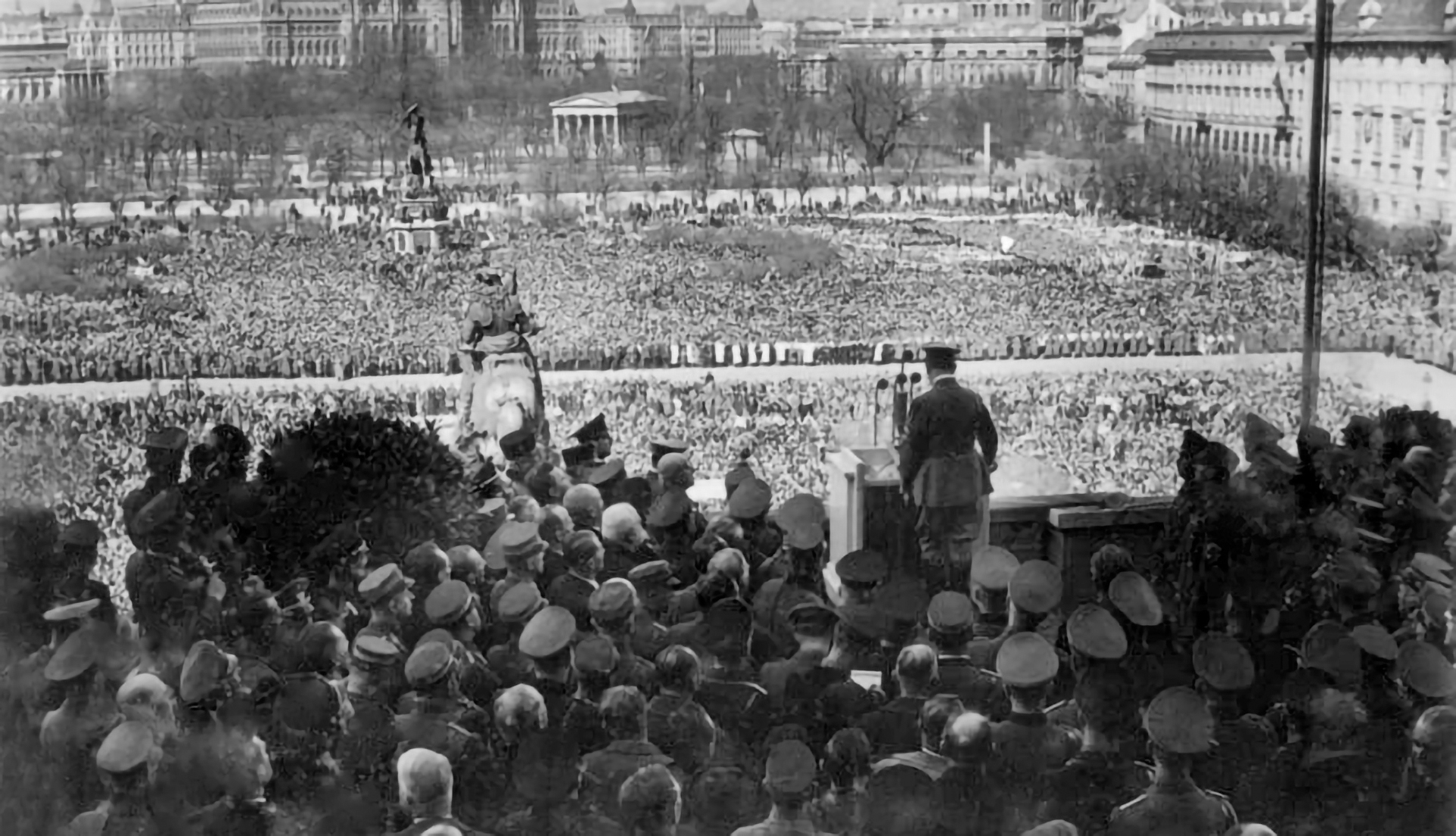
Gnosticism did not release its grip on the human mind with the passing of the Nazi and Soviet regimes. As my Law & Liberty colleague John Grove has pointed out, it remains the motive force of the “woke” extremism sundering the American Republic—in both its right- and left-wing manifestations. He writes that the central gnostic “belief—that the world as we experience it is utterly alien, all-powerful, and destructive of our ability to live a good life—does represent a kind of perverse common ground between some pockets of today’s right and the woke.” Both sets, therefore, combine “a rigid moralism when it comes to demands on others with a complete lack of self-reflection or self-restraint” that is characteristic of the gnostic revolution Voegelin opposed. These factions may not consider themselves tyrannical, but the moral urgency of their culture war has turned totalitarianism into a bipartisan phenomenon.
But Voegelin did not consider gnosticism’s march inexorable. “The spiritual disorder of our time, the civilizational crisis of which everyone so readily speaks, does not by any means have to be borne as an inevitable fate; on the contrary, everyone possesses the means of overcoming it in his own life,” he wrote in Science, Politics, and Gnosticism. “No one is obliged to take part in the spiritual crisis of a society; on the contrary, everyone is obliged to avoid this folly and live his life in order.” Voegelin hoped that philosophy and a philosophic education—not politics as such—might teach the principles necessary for reasserting order in the soul and order in the commonwealth.
Another term Voegelin used for gnostic ideologues came from Greek: “philodoxers,” or lovers of opinions. More concerned with dogma than truth, they obscure the reality of truth. Russell Kirk, explaining Voegelin’s analysis of this pathology, wrote that “men intoxicated with doxa, even famous philodoxers, break up the order in personality when they blind men to the nature of the soul; and they upset the balance in any good society when they conjure up visions of desire satisfied which really are impossible of attainment.” What is necessary, then, in an age ravaged by gnostics and philodoxers and ideologues is a concerted effort to restore order. Philosophy is the great antidote to psychic and social disorder.
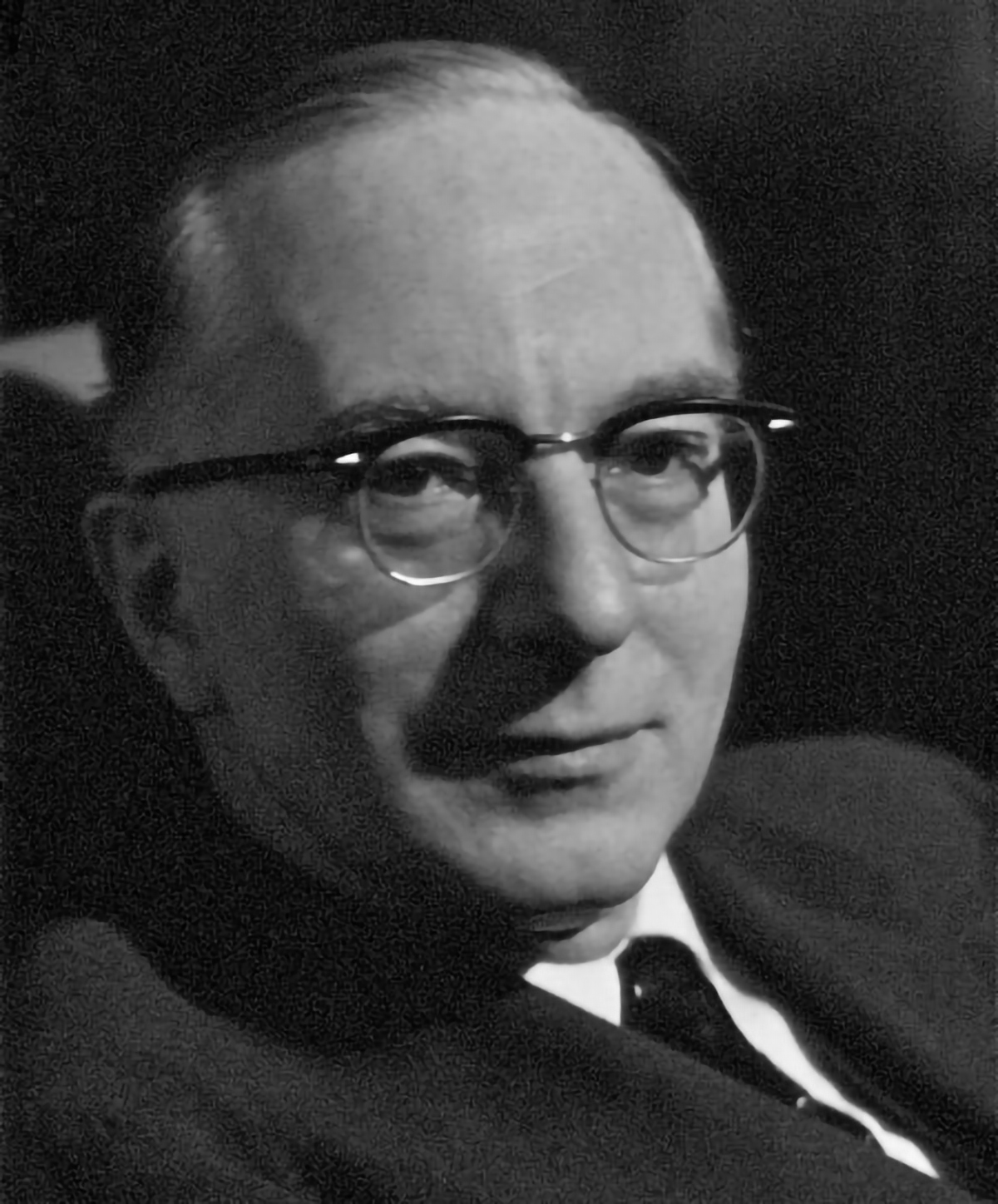
Voegelin certainly believed there was a limited political dimension to this mission. At the end of The New Science of Politics, for example, he wrote that there is “a glimmer of hope” in “the American and English democracies which most solidly in their institutions represent the truth of the soul.” Ordered liberty—uniting both constitutional freedom and military strength—in those lands, however desiccated, could still resist the ideological empires of Germany and Russia. And yet Voegelin also stated that “it will require all our efforts to kindle this glimmer into a flame by repressing gnostic corruption and restoring the forces of civilization.” And that task, in the main, was not political. Statesmen, Voegelin knew, are not in the end the saviors we most need.
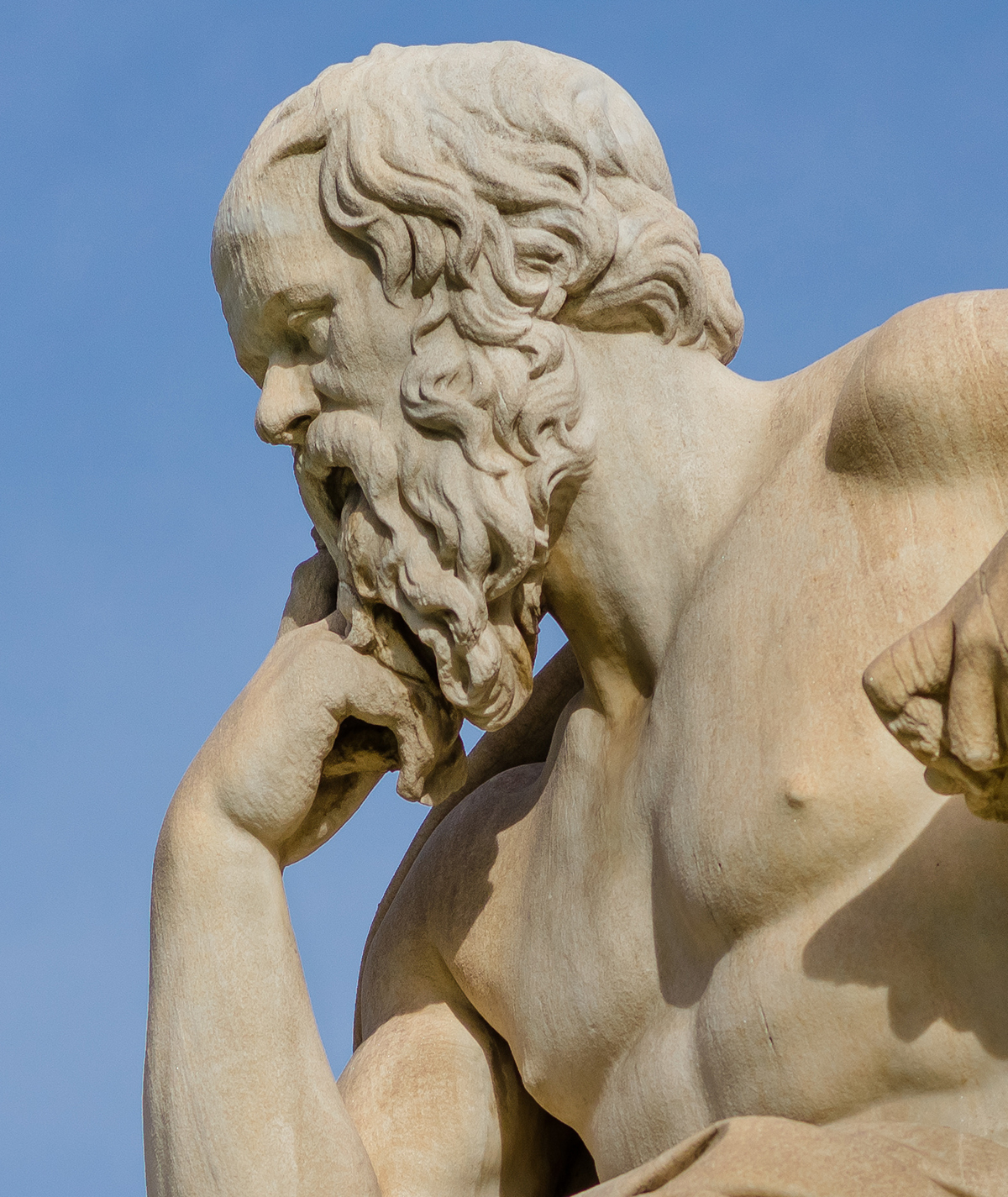
Voegelin instead believed it was the character of the philosopher that could renew society. “The term philosophy does not stand alone but gains its meaning from its opposition to the predominant philodoxy,” he said in his Autobiographical Reflections. Lovers of wisdom and pursuers of the truth above all, philosophers cut through the lies of ideology and false religion to understand reality itself. Citizens of the Unreal City may consider such action treason, but Voegelin understood that such resistance was in fact a higher patriotism. For this reason, Socrates deserves to be classed among the founders of Western civilization itself.
It is important to note, however, that Voegelin’s philosopher is not locked in some Manichean struggle with his gnostic foes, as though they were equal and opposite forces. Indeed, he maintained a healthy skepticism about even the ability of philosophers to answer the questions they incessantly ask. “Philosophy is not a doctrine of right order,” he wrote in the third volume of Order and History, “but the light of wisdom that falls on the struggle; and help is not a piece of information about truth, but the arduous effort to locate the forces of evil and identify their nature.” He did not believe there were any final answers to the perennial problems of political life or civilization.
Nor did Voegelin look to any period of antiquity for social, political, or religious orders to restore. As Michael Federici writes in his brilliant introduction to Voegelin’s thought, he “did not advocate a return to a golden age of the past that can be engendered by a resurrection of great literary texts.” Rather, Voegelin maintained that the “true, the good, and the beautiful must be rediscovered and reconstituted in each historical age.” The transcendental is something each generation—each individual—must experience for themselves.
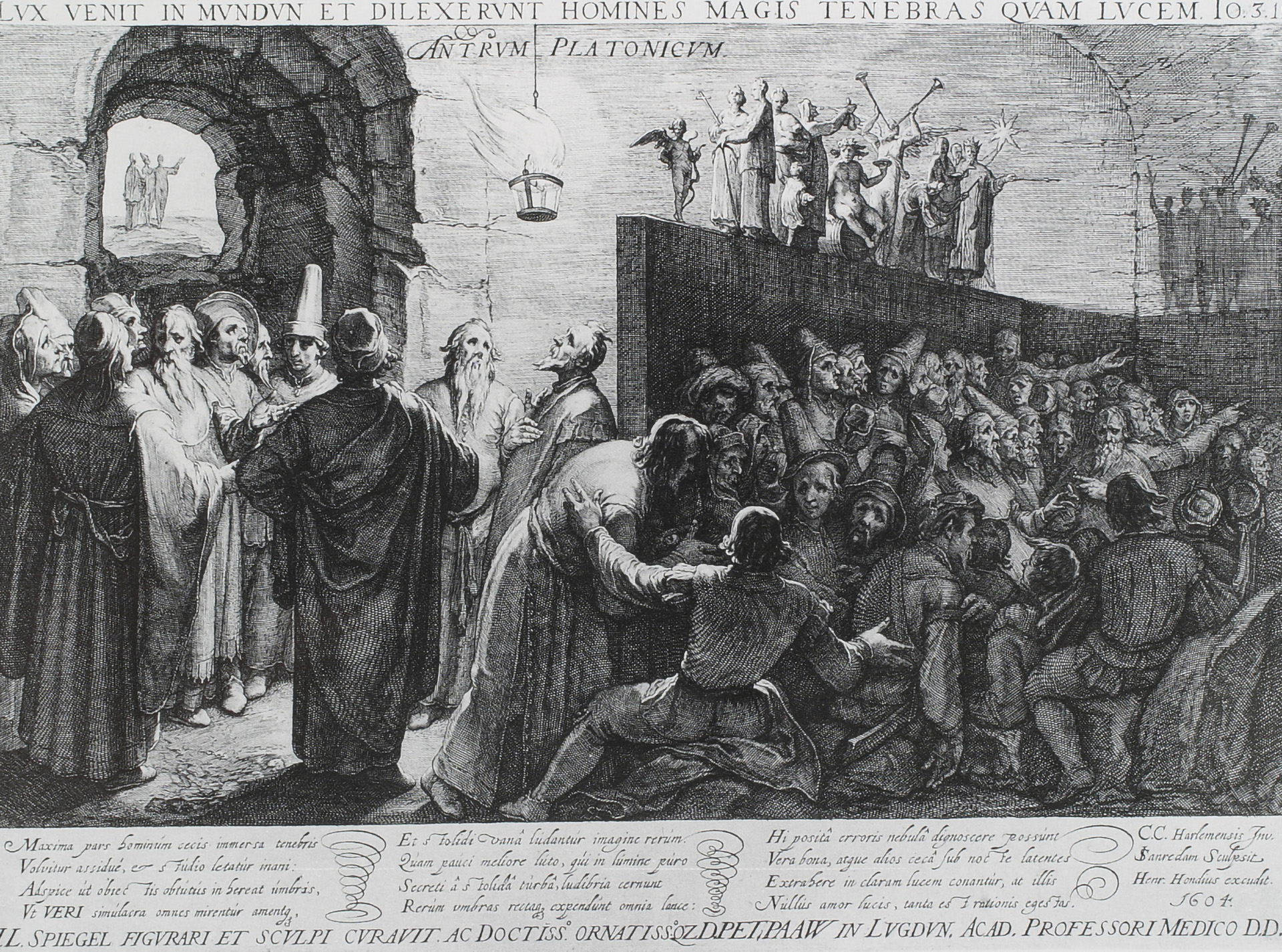
Reasoning from Socrates’s famous image of the Cave in the Republic, Voegelin described this experience as a periagoge, or turning-of-the-soul. Especially in the waste land of modernity, human beings desperately need this kind of conversion. But as Voegelin said in his Reflections, “One of the typical phenomena of the twentieth century is the event of spiritually energetic people breaking out of the dominant intellectual group in order to find the reality that has been lost.” George Orwell, for example, achieved something like this when he finally broke with communism during the Spanish Civil War. It is stories of periagoge like his that can, he said, restore “lost contact with reality” and “regain the contact that [we] are in danger of losing.”
One of the 20th century’s great stories of conversion is that of Whittaker Chambers. His 1952 memoir, Witness, recounts his journey to becoming a communist revolutionary and spy—and then his rejection of ideology and search for life’s true meaning. Aside from the exciting espionage drama, it is also a profound philosophical reflection on the nature of modernity. Chambers ranks among those “spiritually energetic people” Voegelin thought necessary to point us back to order. It is little wonder that his book became one of the founding texts of the American conservative movement. He showed us the path up out of the underworld.
Chambers was born in 1901—the same year as Voegelin—and did not have a happy childhood. His parents’ marriage was deeply troubled, and his brother committed suicide at a young age. Compounded with the moral collapse of the West after World War I, Chambers was driven by his unhappiness to seek out some cause to give him meaning. He found it in Revolution. Communism, he wrote, “offered me what nothing else in the dying world had power to offer at the same intensity, faith and a vision, something for which to live and something for which to die.” Furthermore, Chambers looked to Revolution to solve the crisis he saw everywhere around him. “The Communist Party presents itself as the one organization of the will to survive the crisis in a civilization where that will is elsewhere divided, wavering, or absent,” he wrote. “The revolution is never stronger than the failure of civilization. Communism is never stronger than the failure of other faiths.”
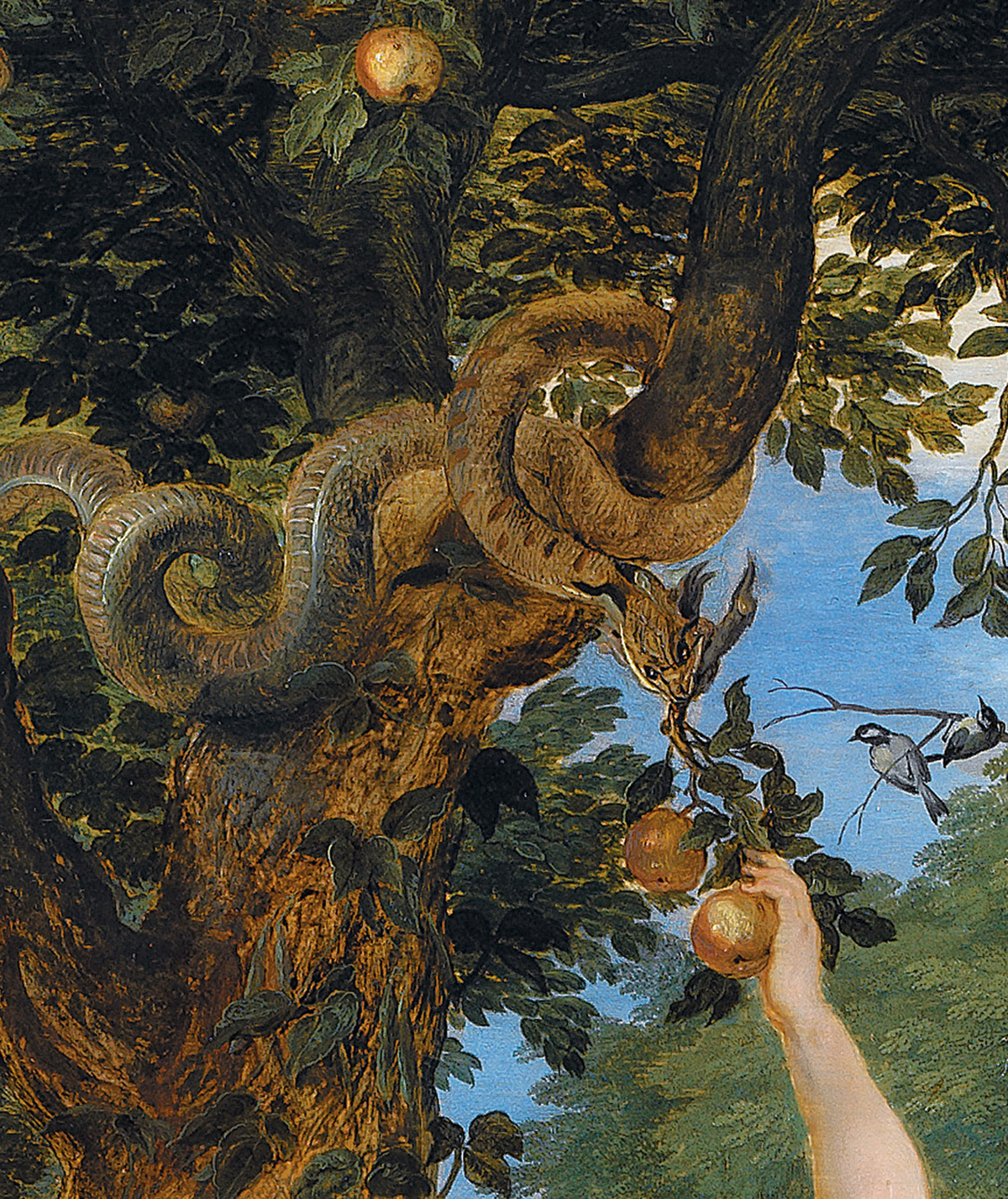
In other words, Chambers embraced communism precisely because he was attracted to the gnostic heresy Voegelin described. He found in its utopian promise a simple faith that the world can be changed, and he wanted to bear witness to it. And yet, as he put it in the letter to his children which serves as the memoir’s foreword, this was not a new faith. “It is,” he wrote, “in fact man’s second oldest faith. Its promise was whispered in the first days of Creation under the Tree of the Knowledge of Good and Evil: ‘Ye shall be as gods.’” Chambers felt that there was something morally compelling about the vision of absolute freedom and universal equality at the back of this faith—although he ultimately came to reject it.
At the start of his revolutionary career, Chambers was merely a left-wing propagandist. But his devotion to the cause quickly drew the attention of agents for the Soviet underground who recruited him to commit acts of espionage against the United States. For a long time Chambers was utterly devoted to the mission. But in the course of his life as a spy, he began to see through the lies on which communism relied. For one, he was horrified by the brutality of Stalin’s purges and his willingness to ally with Hitler to partition Poland. But there were several other moments that helped redeem Chambers from the unreality of ideology.
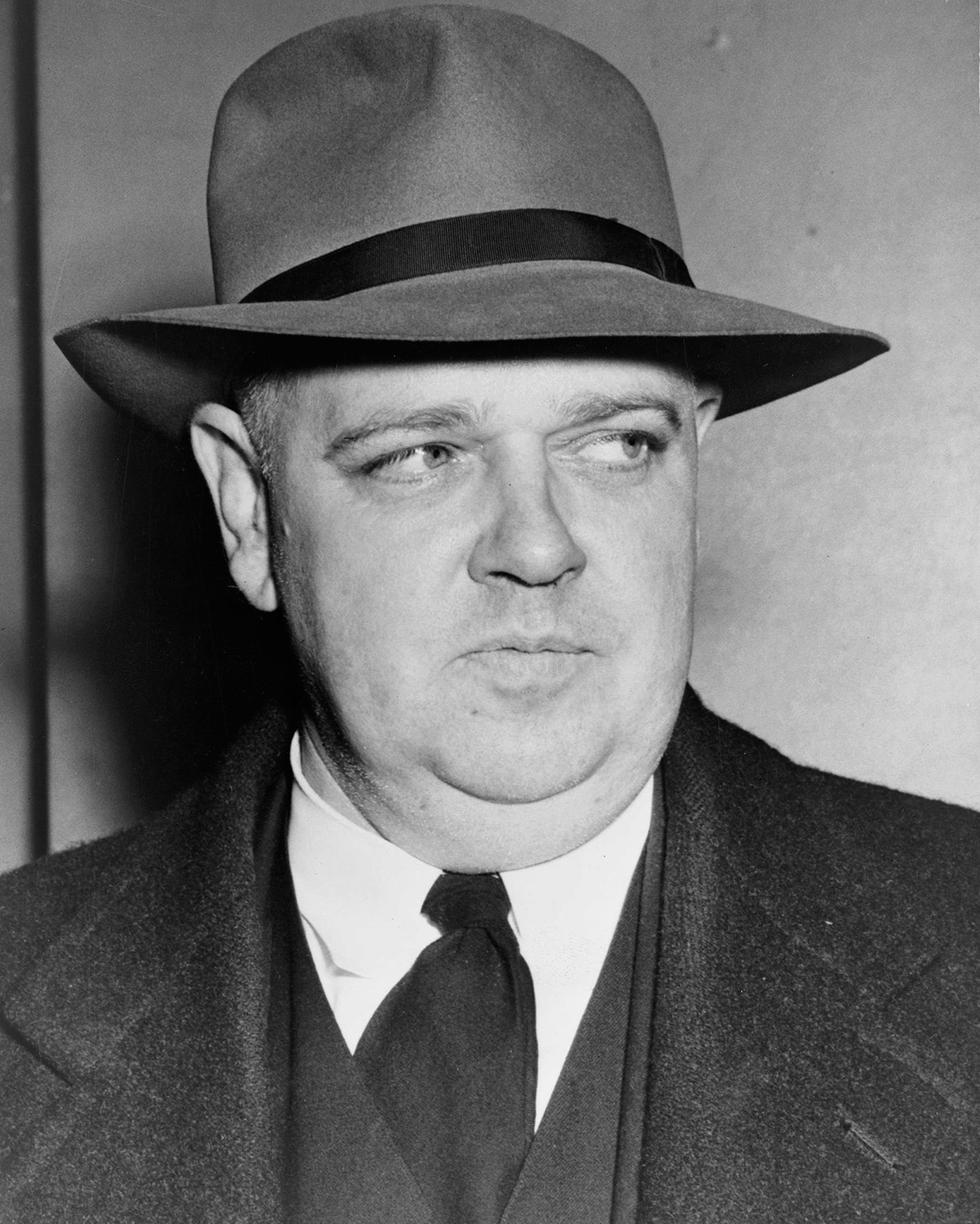
Throughout the memoir, Chambers recounts several moments that led to his conversion, his break with communism. The first and most moving came when his daughter, Ellen, was an infant. He observed her eating in a highchair when, he recollected:
My eye came to rest on the delicate convolutions of her ear—those intricate, perfect ears. The thought passed through my mind: “No, those ears were not created by any chance coming together of atoms in nature (the Communist view). They could have been created only by immense design.” The thought was involuntary and unwanted. I crowded it out of my mind. But I never wholly forgot it or the occasion. I had to crowd it out of my mind. If I had completed it, I should have had to say: Design presupposes God. I did not know that, at that moment, the finger of God was first laid upon my forehead.
This moment and others like it gradually forced Chambers to turn away from ideology altogether. It was not an easy process for him; he eventually had to betray some of his closest friends in the underground and deconstruct a faith that had given him purpose throughout his adult life. But these encounters with reality—a chain wrought by divine providence—rescued Chambers from the totalitarian temptation.
Like Voegelin, Chambers came to understand that the major problem of modernity was not political or economic, but rather spiritual. “The crisis of the Western world exists to the degree in which it is indifferent to God,” he wrote. “It exists to the degree that the Western world actually shares Communism’s materialist vision, is so dazzled by the logic of the materialist interpretation of history, politics, and economics that it fails to grasp that, for it, the only possible answer to the Communist challenge: Faith in God or Faith in Man? is the challenge: Faith in God.” Chambers would go on to devote the rest of his career as a writer to meeting exactly that challenge.
Writing was not the only way Chambers resisted the follies of the time. He and his wife, Esther, also bought property in rural Maryland, Pipe Creek Farm, and committed to the reality of agricultural life. Farming became for Chambers a kind of Platonic link between the visible and invisible worlds. In his posthumous and fragmentary final book, Cold Friday, Chambers wrote that the farm was to be “a witness against the world.” “By deliberately choosing this life of hardship and immense satisfaction,” he declared, “we say in effect: The modern world has nothing better to give us.” This commitment to the life of the land demonstrates that attaining faith through an encounter with reality need not be a merely intellectual endeavor. This kind of mysticism is available to all people, from farmhands in the fields to professors in the ivory towers.
In a 1987 Modern Age article, Princeton University’s Russell Nieli ably sums up the similarities in both Chambers’s and Voegelin’s thought. “At the heart of Eric Voegelin’s and Whittaker Chambers’s views of Western modernity is the belief that Western culture has reached a stage of acute crisis that has been brought on by an overemphasis on science and technology to the neglect of man’s spiritual dimension,” he writes. Both rejected all forms of materialism and condemned demonic ideologies that “cut man off from his rootedness in the divine.” Nieli went on to label both men “mystics” of a sort. Their task, as writers and intellectuals, was to restore a perception of reality—and the God who created it—to Western civilization.
Voegelin and Chambers were both too wary of mass politics and stifling orthodoxies to ever truly support movements based on their ideas. Perhaps no “movement” can ever really be the vehicle for genuine social renewal—and yet, at its best, the conservative movement has always incorporated their mystical insights. The institutions founded by their students once focused on teaching this kind of humble political philosophy. Statesmen such as Ronald Reagan, flawed as they may have been, tried practicing prudence according to the wisdom they learned from Chambers, Voegelin, and others like them. This is the highest kind of conservatism.
Chambers embraced communism precisely because he was attracted to the gnostic heresy Voegelin described.
But now it seems that the American right has lost its sense of spirituality. And as a result, it is losing ground to the extremists who believe there is nothing left to conserve. The hatred and anger of the new ideologues is a dead end for the American Republic. “Man without mysticism is monster,” Chambers wrote. Passionate intensity will never bring heaven to earth, let alone solve the manifold practical problems before us.
The new generation of extremists—and young men particularly—are bored with the “end of history.” The so-called neutral public square leaves them uninspired, and like Chambers they feel a pervasive sense of impending doom. The decline of community continues apace, and young people are left adrift. When these extremists turn to the culture war and gnostic ideologies, what they really are seeking is a home.
The task ahead of conservatives, then, is not so much to forcefully condemn these lost souls (though we should never compromise with ideology in any form) but to give them the homes they’re looking for. In part, this must be achieved by safeguarding the traditional liberties, through political action that these would-be revolutionaries themselves can take up, that make community possible. But as Voegelin and Chambers would remind us, this can only conserve civilization from external threats; we must also resist the internal spiritual decay of meaning.

That means teaching and educating about the deeper significance of our communities. Schools do not merely exist for career training, and churches are not social clubs. “Christ is the head of the corpus mysticum, which includes all men from the beginning of the world to its end,” Voegelin wrote in a book condemning the Nazi appropriation of Christianity. “He is not the president of a special-interest club.”
Edmund Burke, the forerunner of all modern conservatism, understood that this defense of free community was the only thing that could arrest the march of radicalism. In his Reflections on the Revolution in France, he set out to articulate what he called the “latent wisdom” of the institutions our ancestors bequeathed us. “To be attached to the subdivision, to love the little platoon we belong to in society, is the first principle (the germ as it were) of public affections.” “It is the first link in the series by which we proceed towards a love to our country and to mankind.” The love of constitutional patriotism—not the rage of nationalism nor the fury of socialism—is the principle by which young people might find the principles that can help them restore order in their souls and order in our commonwealth.
What may begin to help, in other words, is a conservative movement dedicated to providing a truly philosophic education. Above all, we must reject gnosticism in all its forms and teach the rising generations of citizens how to love wisdom. There is no precise roadmap to that sort of social renewal, of course, but in the writings and lives of Eric Voegelin and Whittaker Chambers we may see a glimmer of hope that our culture might still experience the conversion it so desperately needs.
