



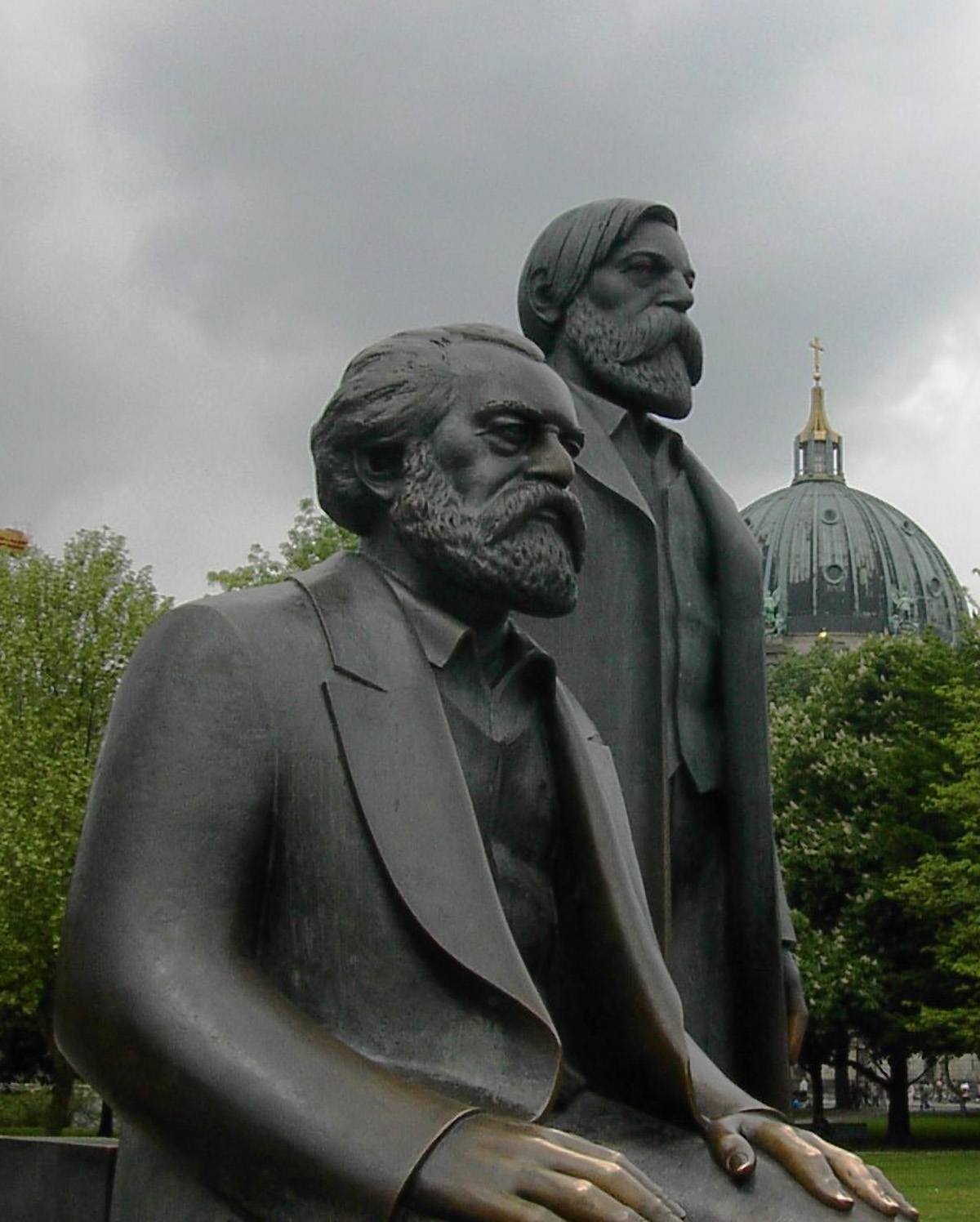
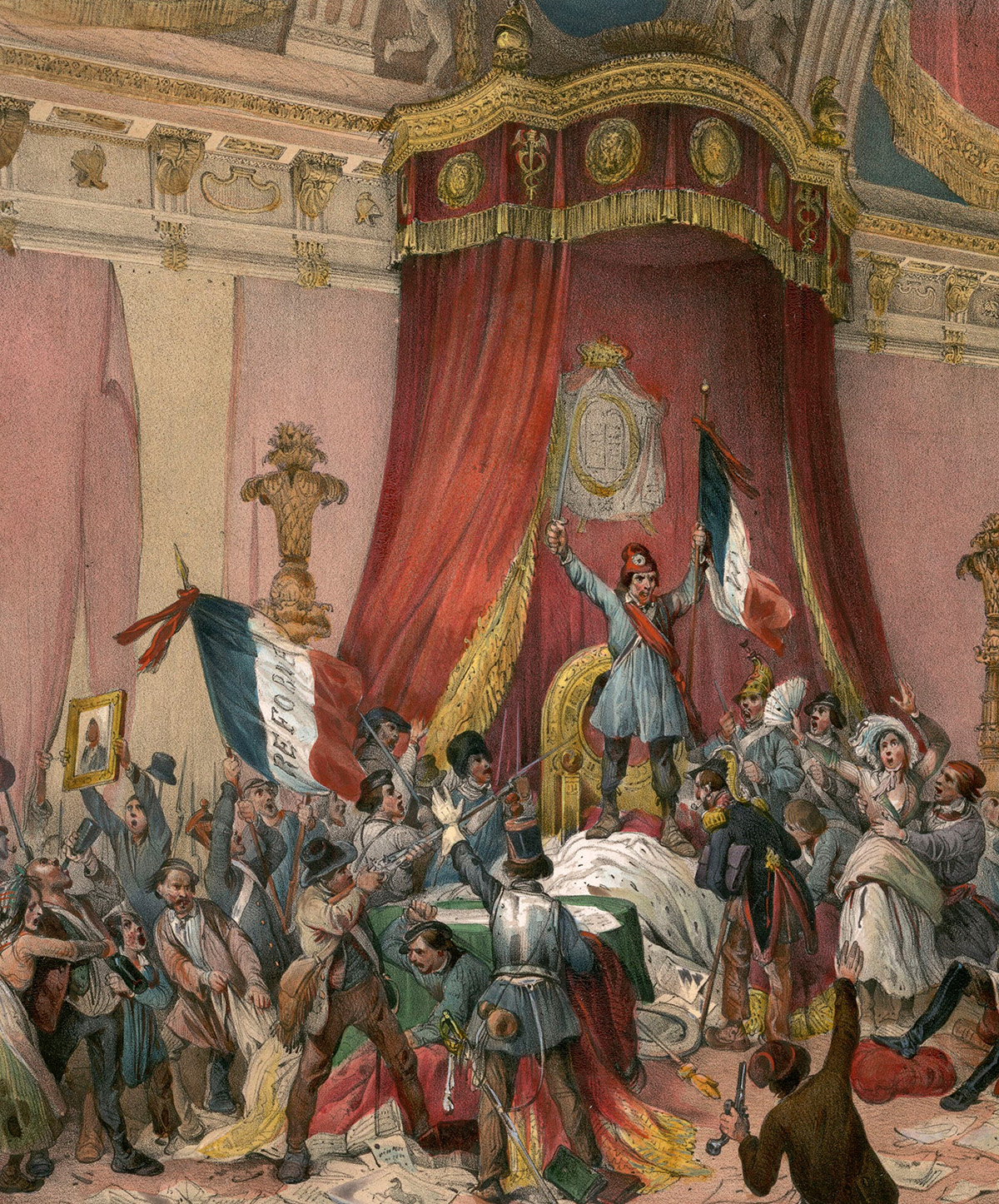
The year 1848 marked a watershed for Europe. On February 21, Karl Marx and Friedrich Engels proclaimed in The Communist Manifesto, “A spectre is haunting Europe—the spectre of Communism.” On February 22, the streets of Paris erupted in revolution, culminating in the abdication of Louis-Philippe on February 24. The wave of uprisings that swept across Europe in the wake of the Paris Revolution—infused not only with a demand for liberty, equality, and fraternity, as in 1789, but now also for socialism—would seem to have confirmed Marx and Engels’s clairvoyance. Democracy and labor reforms spread. But the story of socialism has too often been told from a Marxist perspective. Marx had little influence until the Russian Revolution in 1917, after which the Soviet Union started printing and propagandizing his works. In the 19th century, however, socialists came in many varieties, including a Christian one.
Anglican priest and theologian F.D. Maurice preached a version of socialism that was both too radical and too conservative for the 19th century, rooted in the immanent Kingdom of God as it was. Even as socialism is making a comeback in the 21st century, it’s doubtful he would find a home on the left or the right. He remains a singular, and singularly fascinating, figure.
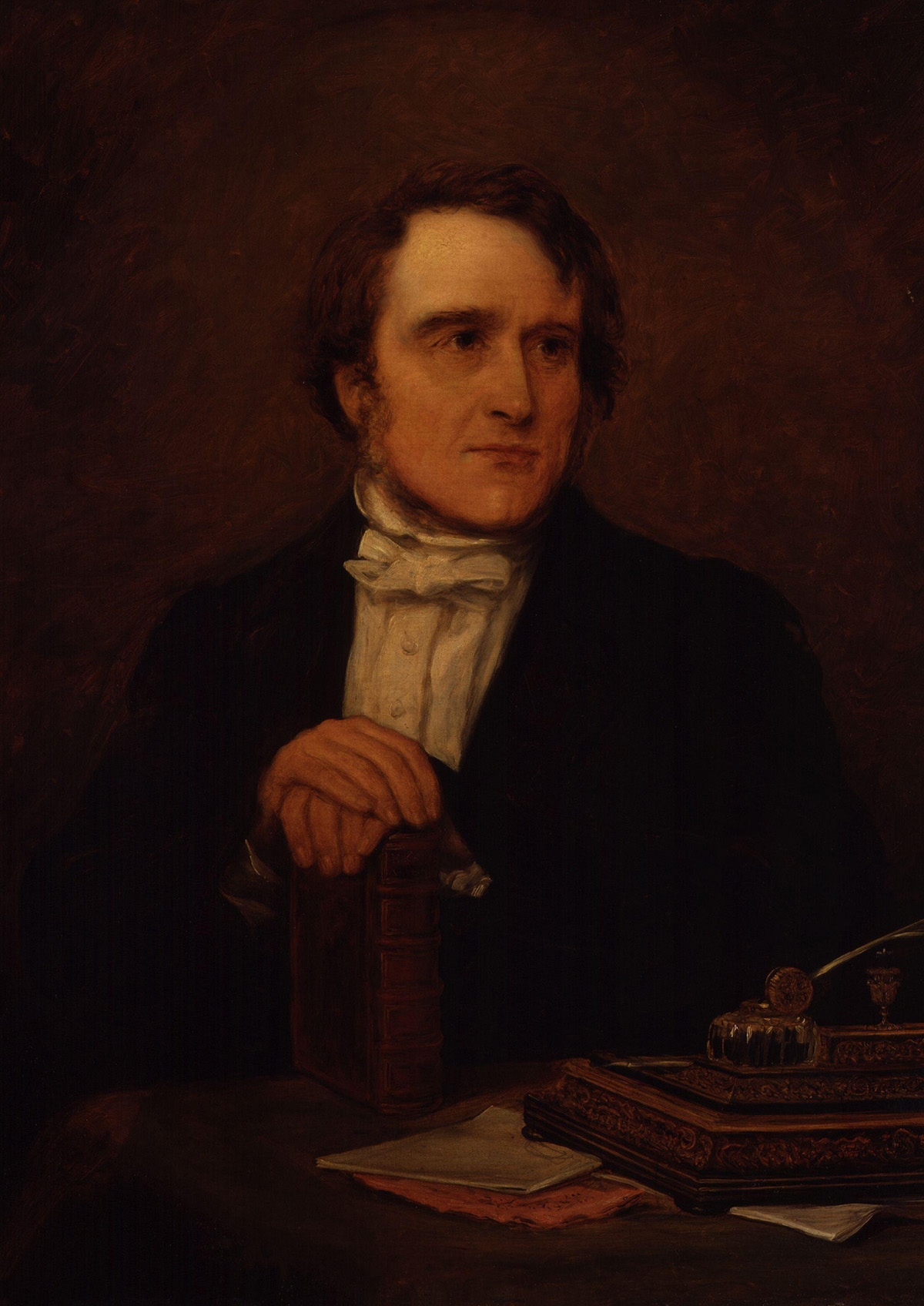
The story of Christian socialism in its “first wave” in England from 1848 to 1854 starts with the Anglican priest and theologian F.D. Maurice. The Paris Revolution broke out while Maurice was preaching a series of sermons on the Lord’s Prayer at Lincoln’s Inn, where he served as chaplain while professor of theology at King’s College, London. Maurice’s theology rested on a concept of “divine order.” In short, fatherhood grounded Maurice’s worldview—fathers (and mothers) over families, monarchs and aristocrats over nations, and God above all and in all through the Church. As Maurice put it, “A Fatherly Will is at the root of Humanity and upholds the Universe.” From this perspective, Maurice’s sermon on the words “give us this day our daily bread,” preached March 12, 1848, on the first Sunday of Lent, contain a surprising affirmation for a socialist: “Property is holy.”
Why is property holy? “Beneath all distinctions of property and of rank,” says Maurice, “lie the obligations of a common Creation, Redemption, Humanity.” The holiness of private property comes from our obligation to our neighbors as part of God’s divine order in society. This contrasts sharply with the French anarchist Pierre Joseph Proudhon, for example, who claimed, “Property is theft!” Maurice came to call himself a socialist, but he was never a communist, still less an anarchist. Within his focus on the fatherhood of God, he saw the early Church’s sharing of resources in Acts 2 as an expression of familial love, not a mandate for legal institutions. So what did socialism mean to Maurice?
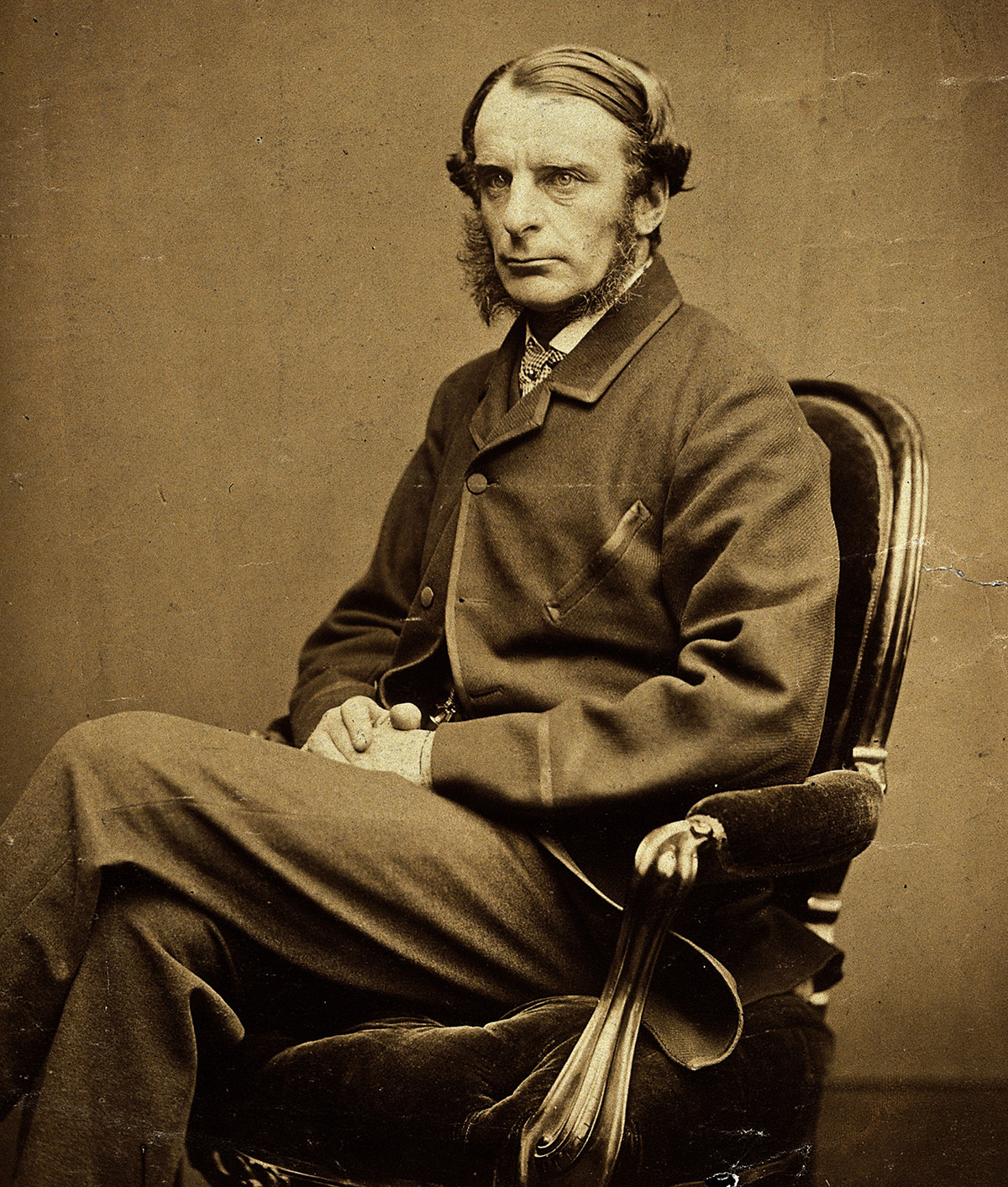
In 1848 in England, socialism had not yet become political. Socialists stressed the need for organized labor, profit sharing, and cooperation between workers rather than competition over the same jobs, driving down wages and reducing benefits. The Chartists, by contrast, wanted legal reforms to uplift the working classes and were concerned about expanding the franchise. Maurice, skeptical of democracy in general, first brought together the other two leaders of Christian socialism, the young barrister J.M. Ludlow and the young Anglican minister Charles Kingsley, in response to a planned Chartist rally in London soon after he concluded his series of sermons on the Lord’s Prayer. Thus, when Maurice suggested the label “Christian socialism” for a proposed new publication for their movement in 1850, it was a self-consciously non-political label.
“‘Tracts on Christian Socialism’ is, it seems to me, the only title which will define our object,” wrote Maurice, “and will commit us at once to the conflict we must engage in sooner or later with the unsocial Christians and the unchristian Socialists.” Maurice hoped that adopting this title would clarify the nature of their movement. In hindsight, it did far more to obscure than to clarify, in no small part due to misperception among the movement’s leadership.
Maurice was 14 years older than Kingsley and 16 years older than Ludlow. They looked up to Maurice as a mentor and father-figure due to his charismatic personality, pastoral care, and theological insight. So did many others who attended Maurice’s weekly Bible studies at his home. “It was not long,” writes Christian socialism scholar Torben Christensen, “before the young men rallying around Maurice called him ‘the Master’ or ‘the Prophet.’” This generational gap is key to unlocking the story of Christian socialism’s “first wave” in England. Often Kingsley, Ludlow, and others would come to Maurice with radical ideas that he would recast or even veto.
For example, inspired by the Anti–Corn Law League, by which the classical political economists advocated for free trade, the younger members of the movement drew up a plan for a national Health League to combat the epidemic outbreak of cholera in London. “All the young friends entered heartily into this plan,” writes Christensen. “It seemed as if the small brotherhood had arrived at a policy of social action by which the appaling [sic] conditions of the working classes could be improved, thus giving a practical demonstration of the social implications of their Christian faith.” Having drawn up a program for this Health League, they enthusiastically presented it to Maurice. “To their surprise, he flatly refused to give his consent.” To Maurice, “These self-elected human societies were a denial of the order of fellowship and fellow-work which God had already established among men.”
The holiness of private property comes from our obligation to our neighbors as part of God's divine order in society.
Again and again, Maurice vetoed the expansive and often radical ideas of his younger coworkers in the Christian socialist movement. Part of this, certainly, derived from his belief in a divine order, through which concerns like sanitation should be either dealt with on the national level by the state or on the local level by families and local parishes of the Church of England. But Maurice’s biography sheds further light on his hesitations. He turned 43 in 1848, while Ludlow and Kingsley were still in their 20s. They did not see, and could not appreciate, the generational gap between them.
According to Florence Higham, Maurice and his first wife Annie’s “first child, a girl, was stillborn and in April [of 1840, his sister] Elizabeth died, whose courage and vigour of mind had often helped him greatly.” Then, “in the spring of ’41 Maurice’s elder son was born and christened Frederick after his father.” In 1843, while pregnant with their second son, Annie cared for his close friend John Sterling, who nevertheless died of tuberculosis in 1844.
Higham goes on to relate:
While nursing Sterling [Annie] had caught the tubercular infection and she failed rapidly. In the spring she was ordered to Hastings. Sadly she said good-bye to the home where she had been so happy, but down by the sea, making the most of every moment with the little boys, she began to think she might recover. If not, she told Maurice, he must marry her friend Georgiana Hare … ; she could not bear to think of Frederick and the children without anyone to look after them. … She died on Easter Tuesday, and once again at that season he faced the agony of the Cross.
In the next few years,
all [Maurice] wanted was a chance to serve: joy he did not hope to find again. His new home was at 21 Queen Square. As he walked across the “quiet and antiquated square,” the little rush with which he started sobering to a quieter step, as he read aloud to his children or buried himself in his study with no one now to help him write, or as he faced the unruly students at King’s with a new sense of insufficiency, it may well have seemed to him that the best of his life was over.
Such was the biographical backdrop leading up to Maurice’s involvement with Christian socialism, struggles a younger man like Ludlow could not understand or, it seems, even notice. At their first meeting, the radical Ludlow went away disappointed by the “quiet, shy, very good, [and] obviously unpractical” Maurice. Higham continues:
Ludlow did not know at that first encounter how recently Maurice’s wife had died, a loss that left him maimed, unable for a while to do more than work at the routine jobs on hand—and pray. Only very gradually did vision and resilience return as he worked hard, too hard, writing, lecturing, organizing the new department of Theology at King’s and trying very gently and rather awkwardly to be mother as well as father to the two little boys, gaining thereby new insight into the meaning of the Fatherhood of God.
Maurice’s opposition to leading organized social action for the Christian socialists in the coming years was certainly consistent with his opposition to parties and systems, but all this seems to me to overlook the life of the man, through which, as Maurice notes of St. Augustine, “all his knowledge was purchased by the fiercest personal struggles.”
In 1849, Maurice became engaged to and married Georgiana, as Annie had wished, “trusting that in her his boys would find the mother’s love they needed, and discovering in his tender care for her delicate health and in sharing with her his hopes and disappointments a new serenity in mind and heart.” Working two jobs, with two young boys and a chronically ill new wife at home, could not but have conditioned Maurice’s involvement with the Christian socialists. For the most part, he turned down their invitations to lead big projects, focusing instead on mentorship through intimate and local gatherings.
What they—and many commentators since—have failed to realize is that the Christian socialists were themselves Maurice’s mission field as much as the working poor in the neighborhood of Lincoln’s Inn. As he wrote to Archdeacon Julius Hare in 1843, “I think that some time or other my vocation will be … generally among all that are in distress and are in debt and are discontented—Quakers, Unitarians, Rationalists, Socialists, and whatever else a Churchman repudiates, and whatever repudiates him. … It is a dream which is worth something to me, and out of which, at any rate, I cannot wake myself.”
Indeed, Maurice did not limit his publications to Christian socialism. His 1838 work, The Kingdom of Christ, was alternatively titled Hints to a Quaker; one could view his Moral and Metaphysical Philosophy, originally published in 1847, as directed toward “Rationalists”; and his 1854 Theological Essays focused explicitly on answering Unitarian objections to Anglican orthodoxy (perhaps too charitably, getting him sacked from King’s College for his universalism, the belief that all are ultimately saved). In the case of the last of these, we see that Maurice’s outreach to socialists through Christian socialism did not distract him from still reaching out to others whom “a Churchman repudiates” at the very same time.
What many commentators have failed to realize is that the Christian socialists were themselves Maurice's mission field as much as the working poor in the neighborhood of Lincoln's Inn.
In none of these works will one find much if any mention of the condition of the working classes he served in the Christian socialist movement. He also published his Lectures on the Ecclesiastical History of the First and Second Centuries in 1854. Thus, by comparison to his other works published at the time, his writing on the topic of Christian socialism was marginal—a few tracts and articles and several private letters. His major writings focus largely on historical theology, applying it in various ways to the concerns of “all that are in distress and are in debt and are discontented.”
This contrast between the more mature perspective of Maurice and the young Ludlow comes to full relief in a series of Maurice’s letters. In response to Ludlow’s frustrations over Maurice constantly rejecting his grand proposals (in particular expanding the franchise to working class people), Maurice wrote,
I do hope that I may be of some little use, not in my own person but in giving a foundation to the minds of some who have materials for building, and a knowledge of order which I am utterly wanting in. That is my vocation. … I fear I shall always seem to you only an obstructive. … I would not willingly burn up any of your wood, hay or stubble; but for my task neither that nor your gold and precious stones are of much avail. I am only a digger. God bless you.
Ludlow did not take this well, expressing alarm that a brilliant mind like Maurice would so limit himself.
To Kingsley, Maurice expressed his sympathy toward Ludlow: “He complains of me sadly for professing to be merely a digger. He says a Christian ought to build and not to be always looking after foundations, which I doubt.” Then, to Ludlow, Maurice again tried to explain himself:
My business, because I am a theologian, and have no vocation except for theology, is not to build, but to dig, to show that economy and politics … must have a ground beneath themselves, that society is not to be made anew by arrangements of ours, but is to be regenerated by finding the law and ground of its order and harmony, the only secret of its existence, in God.
Maurice worried the Christian socialists would simply amount to socialists who happened to be Christian. Aware that this likely sounded too idealistic to Ludlow, he continued:
This must seem to you an unpractical and unchristian method; to me it is the only one which makes action possible, and Christianity anything more than an artificial religion for the use of believers. I wish very earnestly to be understood on this point, because all my future course must be regulated on this principle, or on no principle at all. The Kingdom of Heaven is to me the great practical existing reality which is to renew the earth and make it a habitation for blessed spirits instead of for demons.
Maurice then makes clear that his aim is and always was evangelistic: “To preach the Gospel of that Kingdom, the fact that it is among us, and is not to be set up at all, is my calling and business.” For Maurice, “society and humanity [are] divine realities, as they stand, not as they may become.” “This is what I call digging,” Maurice concludes, “this is what I oppose to building.”
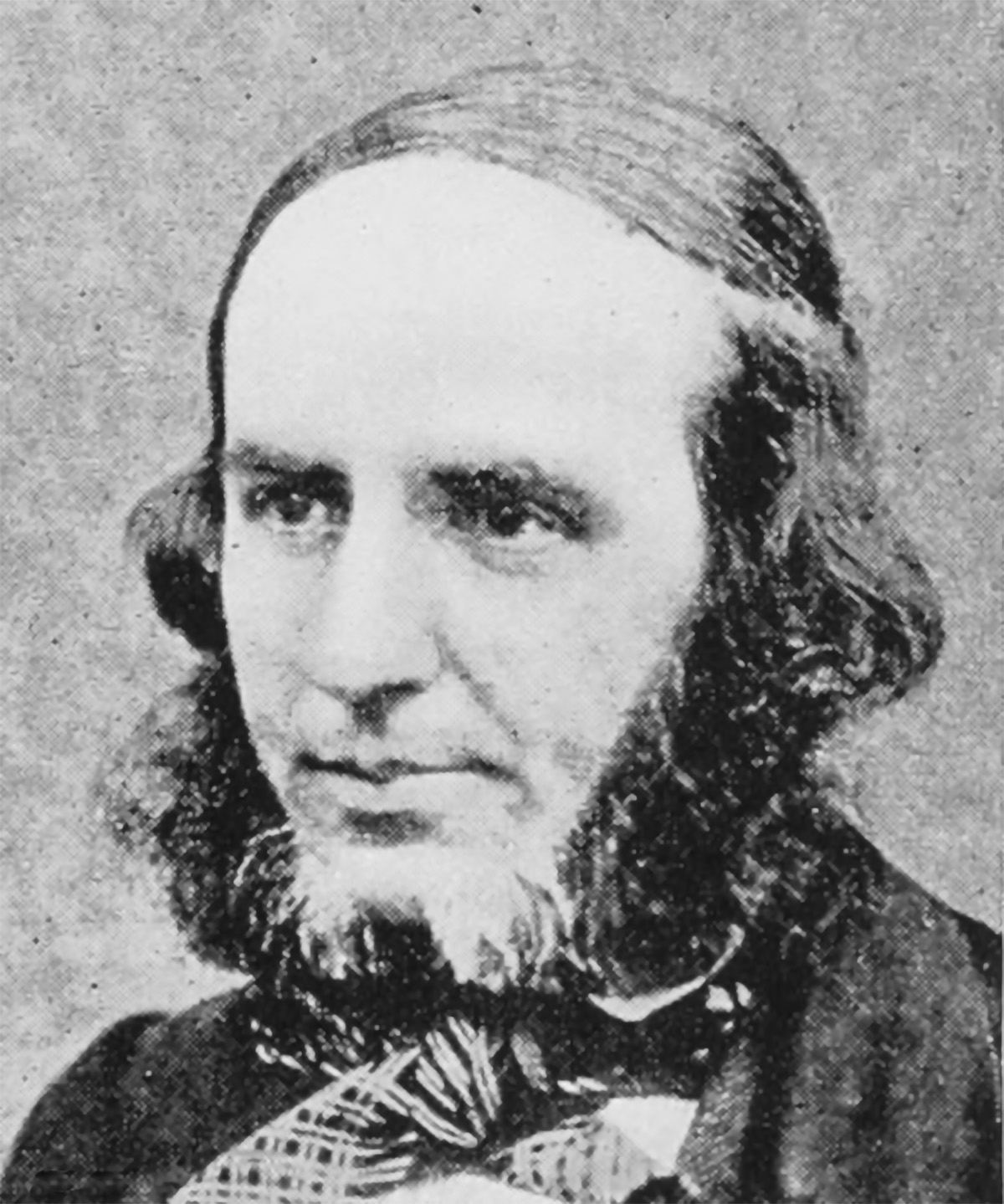
We see this in Maurice’s contribution to Tracts on Christian Socialism in 1850. Opposing his view to secular socialists’, he writes, “I assume that to be the only possible condition of society which they wish to make the condition of it.” Maurice saw trying to build God’s kingdom on earth as a grave error: God has already built his kingdom on earth. To presume it needs to be built denies Christ’s proclamation, “Repent, for the kingdom of heaven is at hand!” (Matt. 3:2). People need to be awakened to this reality and welcomed into God’s divine family through the Church.
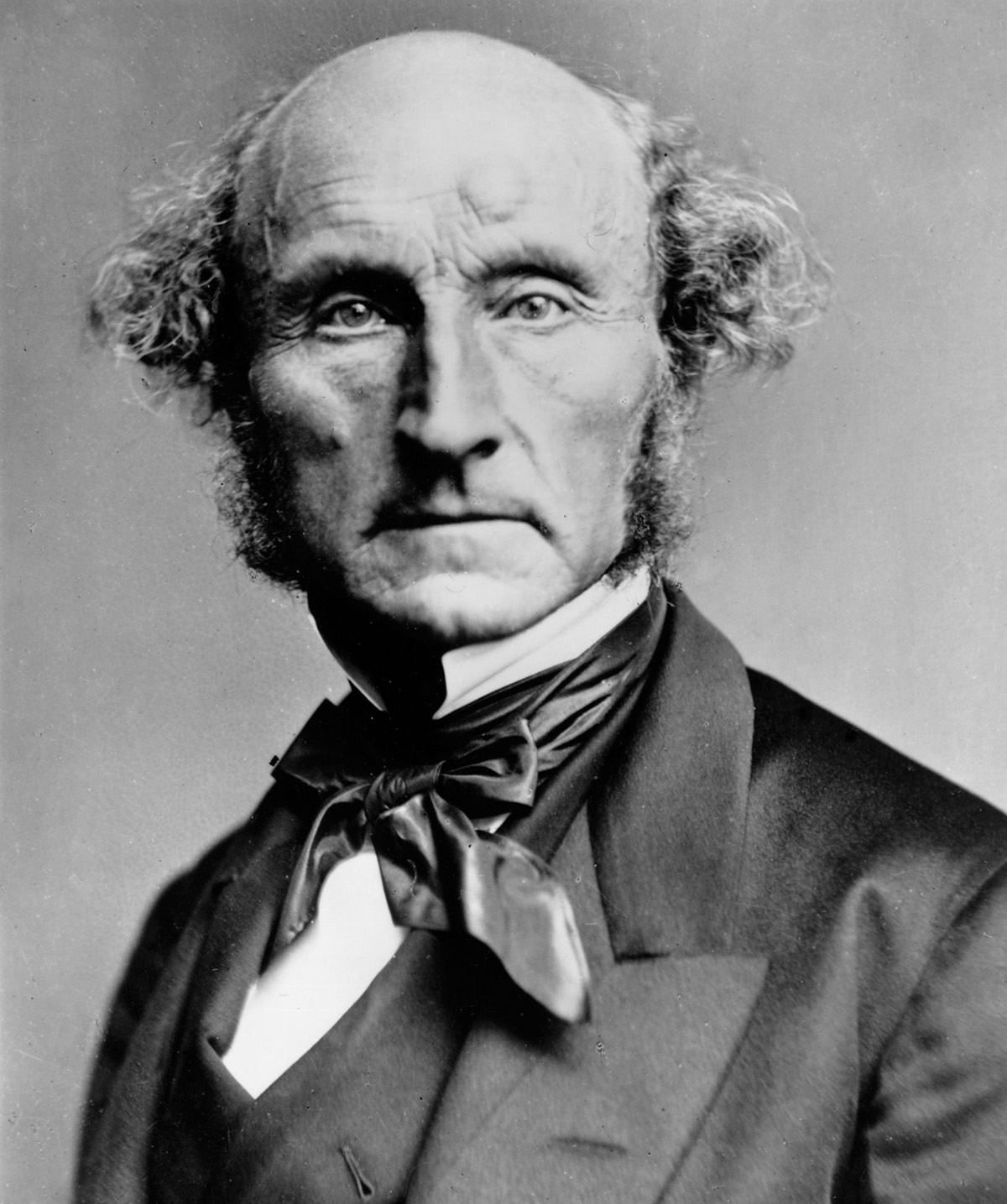
None of that is to say, of course, that Maurice attached no economic views to Christian socialism. But ultimately, he believed evangelism and Christian education to be the most important solution. That said, he did oppose cooperation to competition and did not clearly understand the latter. As John Stuart Mill wrote of socialists in general, “I do not pretend that there are no inconveniences in competition, or that the moral objections urged against it by Socialist writers, as a source of jealousy and hostility among those engaged in the same occupation, are altogether groundless. But if competition has its evils, it prevents greater evil,” of which he lists monopoly and poverty.
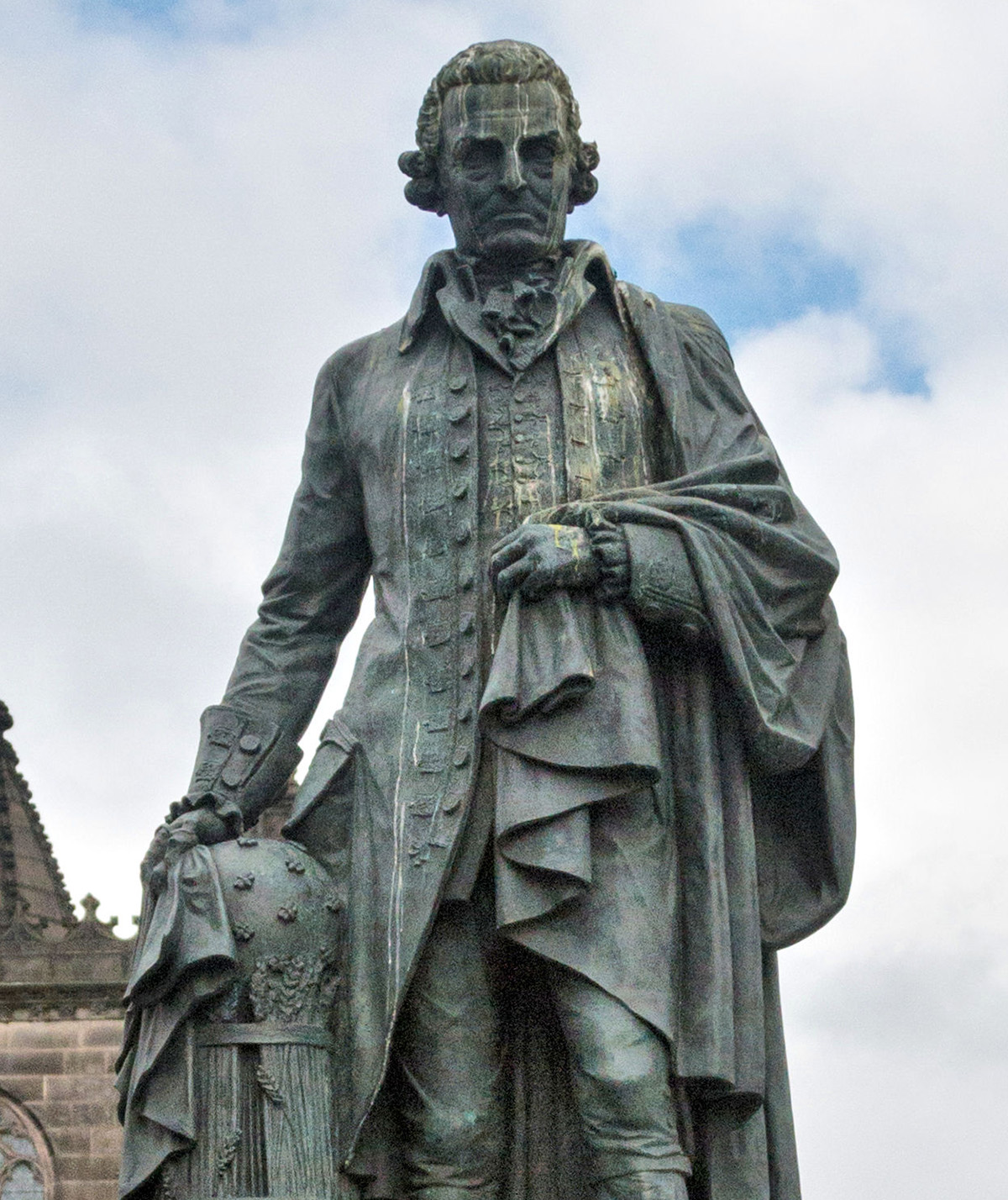
To be fair to Maurice though, he certainly did understand the problem with monopoly, even praising Adam Smith, noting in his 1847 Moral and Metaphysical Philosophy,
Adam Smith’s doctrines at once roused against them what seemed the obvious self-interest of a multitude of monopolists who traded with different commodities, who traded also in the bodies and souls of men. He proclaimed that these supposed interests of theirs clashed with everlasting laws. He averred, for instance, as strongly as any man, that the cultivation of the soil by slaves is not good for a land—not good for those who buy or sell the slaves any more than for those who are bought and sold.
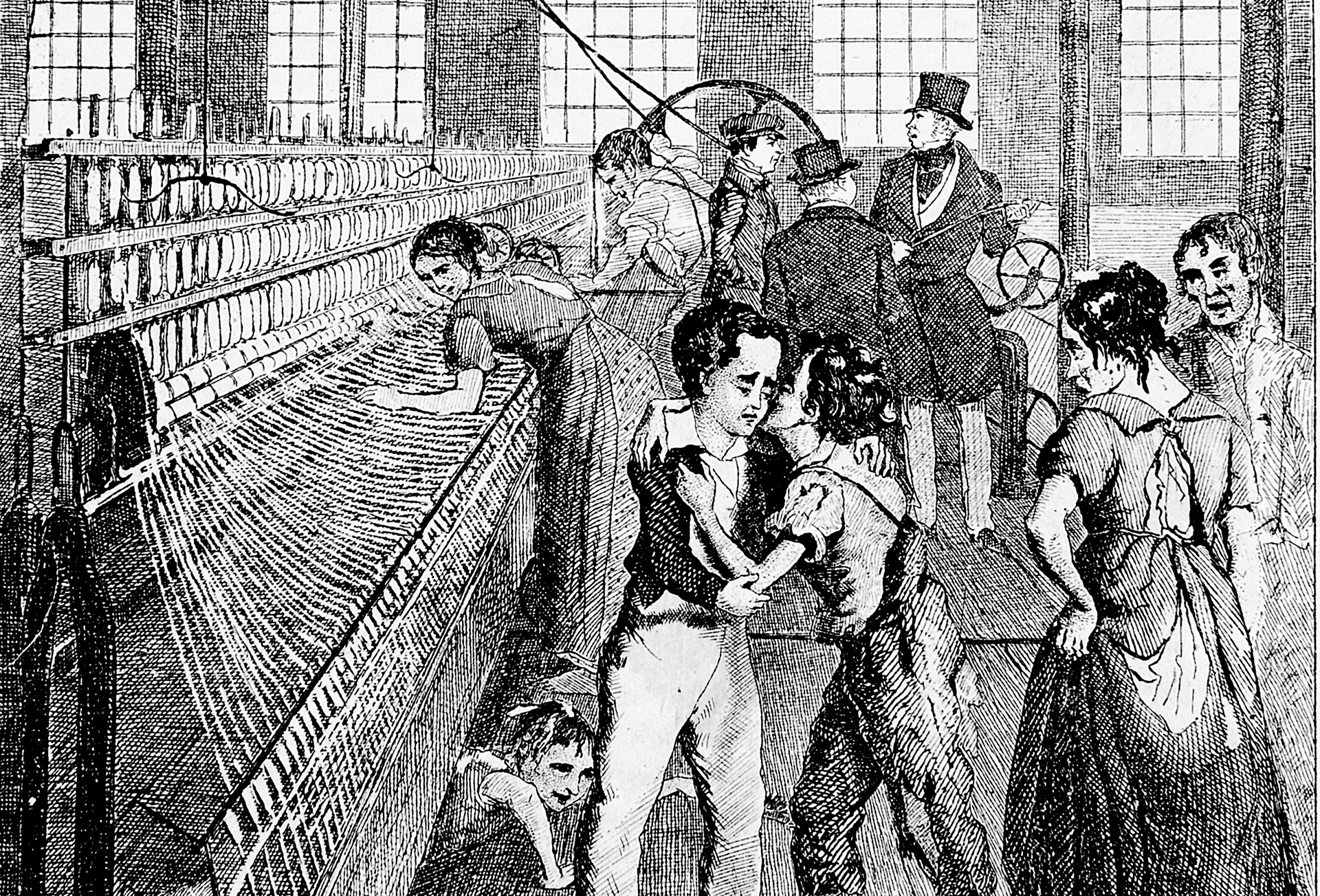
Indeed, Maurice was a measured admirer of Smith, also commending Smith’s support for free trade, and a longtime, friendly acquaintance of Mill. True, he only saw in competition a destructive struggle between workers, failing to consider that employers will also compete for the best qualified workers, driving up their wages and benefits. But the mid-19th century featured genuinely harsh and unsafe working conditions, long hours, and no child labor laws. Some employers undoubtedly twisted the language of economic competition to justify the maltreatment of their workers.
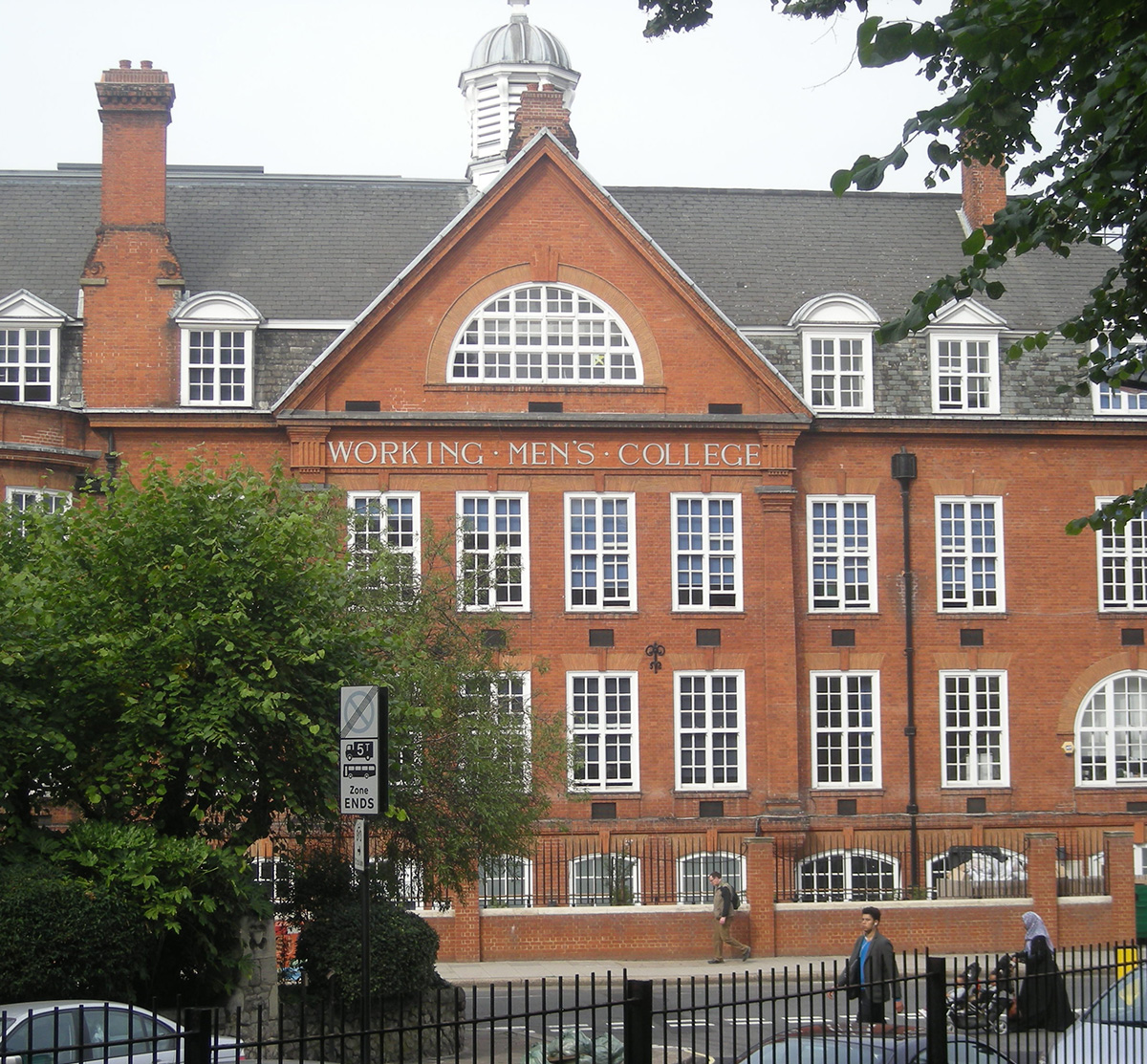
In any case, while many later Christian socialists would appeal to Maurice’s legacy, it is safe to say that his overall perspective on the importance of “digging” got buried at some point along the way. His economics seemed too often to justify classical political economy rather than challenge it. And his educational and evangelistic focus seemed too narrow. In 1854, the working poor of Lincoln’s Inn, in their love for him, compelled Maurice to become first president of the Working Men’s College, London. As Ludlow put it, reflecting years later on the founding of the college, “So Mr. Maurice had his way, and the comparatively broad stream of Christian Socialism was turned into the narrow channel of a Working Men’s College.”
Maurice, however, did not see it that way. Indeed, from Ludlow’s perspective, Maurice was not only the founder but the ender of the first wave of Christian socialism in Britain. Nevertheless, Maurice never stopped digging, never gave up on his dream of ministering to the rejected and outcast. In a series of lectures to promote the new college, Maurice made clear the value of humane learning for the lower classes: “We must aim in all our teaching of the working classes, at making them free.” He continued:
If the distinction between a freeman and a slave … is identical with the distinction between a Person and a Thing, you will seek above all things to make our working people understand that they are Persons, and not Things. Whatever teaching contributes to that end must be good for them, and, as they have shown in the instance of Music, they will by degrees feel that it is good for them.
The Working Men’s College was the first institution of humane higher learning for the working classes in Europe, offering courses on evenings and weekends. We may even say that its work counteracted the fear of Adam Smith in The Wealth of Nations that
the man whose whole life is spent in performing a few simple operations, of which the effects are perhaps always the same, or very nearly the same, has no occasion to exert his understanding or to exercise his invention in finding out expedients for removing difficulties which never occur. He naturally loses, therefore, the habit of such exertion, and generally becomes as stupid and ignorant as it is possible for a human creature to become.
Despite Maurice’s aristocratic sensibilities and opposition to democracy, he never limited his vision of education to people of upper-class backgrounds like himself. Indeed, he even supported women’s education throughout his life, acting as cofounder of Queen’s College, London, in 1848. We might even charitably say, as did Maurice scholar Jeremy Morris, that Maurice did, in his own paternalistic way, support a more democratic future for Britain: “The working classes should certainly be admitted to the Constitution, but only when they had been educated into the means of making proper choice.”
Maurice saw Christian socialism as a fundamentally educational project, too, and from that point of view the Working Men’s College was the culmination, not the end, of the movement to him. Looking back, in an 1866 letter to Ludlow, Maurice even claimed outright that it had been a good thing for them to step back from “meddl[ing] with the commercial part of the business,” that is, the business of workers’ associations. He continued to explain: “A college expressed to my mind … precisely the work that we could undertake, and ought to undertake, as professional men; we might bungle in this also; but there seemed to me a manifestly Divine direction towards it in all our previous studies and pursuits.” Far from a “narrow channel,” Maurice saw in the Working Men’s College, which still exists to this day, a deep well struck for the flourishing of “all that are in distress and are in debt and are discontented.”
Frederick, Maurice’s son, records Georgiana’s account of his final days. Maurice had cared for her in her bouts of chronic illness, and now she returned the favor. His illness took a turn for the worse on Ash Wednesday, stretching through Lent, and he died on Easter Monday, 1872. To the end, Maurice held onto his convictions that what people of every class needed most of all was to understand the love of God already present in the world for them. Georgiana recorded his last words to that effect: “The knowledge of the love of God—the blessing of God Almighty, the Father, the Son, and the Holy Ghost be amongst you—amongst us—and remain with us for ever.”
According to Frederick, “He was on April 5th buried in a vault at Highgate, where already father, mother, sisters, had been laid. Nothing could have been simpler than the funeral itself, but it was followed by crowds, which filled up the roads to the cemetery on many sides.” Many tourists of a more radical bent pay to visit the grave of Karl Marx at Highgate today, but there among the departed rests a man with a far more humane—and genuinely Christian—vision: not the endless conflict and strife between social classes to establish a future utopia, but the blessing of God’s kingdom present even now, the invitation to find in God himself the Father for whom our orphaned hearts long, and in each other the truest brothers and sisters in Jesus Christ.
(Short sections of this essay appeared previously in issues of the Journal of Markets & Morality 26, no. 1, and the Journal of Economics, Theology and Religion 4.)