

When they are lamenting the excesses of billionaires, anonymous commenters and pundits alike often do the math out loud. Surely, America’s 700,000 homeless could be housed for, say, $50,000 each this year, which adds up to a mere $35 billion. Elon Musk alone is worth $413 billion! Musk could solve homelessness, they say, all by himself. We’ll set aside for the moment distinctions between income and wealth—Musk’s billions are tied up in his businesses, not stored up as a pool of gold coins in his basement, ready to be distributed. We’ll even set aside the question of where next year’s $35 billion will be found. After, all, the annual federal budget is nearing $7 trillion ($7,000,000,000,000), a number with so many zeroes it’s hard to imagine its scale. I asked the internet for help, and it said that if one were to spend $1,000 every second, it would take over 31,000 years to spend a trillion dollars, and it would take slightly longer to count to a trillion out loud. Is it really too much to ask that a mere $35 billion be set aside to solve one of our saddest and most harmful problems—homelessness?
To be homeless is about more than not having a roof over your head. It’s about not believing you’re worthy of love and care.
It turns out that homelessness is rarely what it sounds like—the mere lack of a home. I won’t overstate this: With draconian building regulations and municipal meetings full of NIMBYs (“Not In My Back Yard”), many on the financial edge, especially on the expensive coasts, really have been shoved out of increasingly unaffordable homes. We don’t solve their problem by redistributing wealth, but by letting people build. Austin, Texas, pulled back on many of its limitations on building, causing rents to fall by 20%. This astounded residents there, who must have been distracted by the usual middle school drama when their eighth grade economics teacher was explaining supply and demand.
With that said, for the past three years the Discovery Institute has published weekly columns by Marvin Olasky on its FixHomelessness.org site. As Olasky demonstrates, at least two-thirds of the homeless are not dealing with anything so pedestrian as high housing prices. Instead, they’re in chronic situations. Even those of us safely squirreled away in the suburbs have scrolled through social media long enough to see the devastating videos of homeless encampments, many residents in the infamous “fentanyl flop” of their euphoric highs. We’ve read the news stories about the mentally ill on the subways, testing the boundaries of what riders will endure before violence ensues. In horror, we’ve read the stories of abused, abandoned teens, foster care dropouts, exploited in the sex trade, desperate to survive. “Get a job” sounds like a perfectly reasonable first step until you meet some of these precious human beings: men and women who, as children, were beaten, abandoned, raped, and traumatized in ways too evil to recount. We euphemistically refer to these traumas as “adverse childhood experiences,” or ACEs, and it’s unusual to run across a person experiencing long-term homelessness who doesn’t have a fistful of these hidden deep in his or her chest. Unsurprisingly, these children grow up into teens and adults ripe for exploitation, addiction, and mental illness, and often become abusers in turn. Their adult experiences only compound their pain, creating a snowball effect of undermined agency and a desperate need for mental and emotional escape.
None of this is to say that those who’ve been abused or become addicted, or even some of those who’ve lost their grip on reality, can’t be restored to their full agency and have flourishing lives. If you’re not sure about this, google your local addiction-recovery meeting schedule and look for the word “open.” This means that outsiders can attend the meeting and hear the stories of those who’ve recovered. There are miracles walking past you on the sidewalk every day—miracles so astounding that many of us would find them offensive if we really knew the details. Grace is scandalous. As Bono sings, grace “travels outside of karma.”
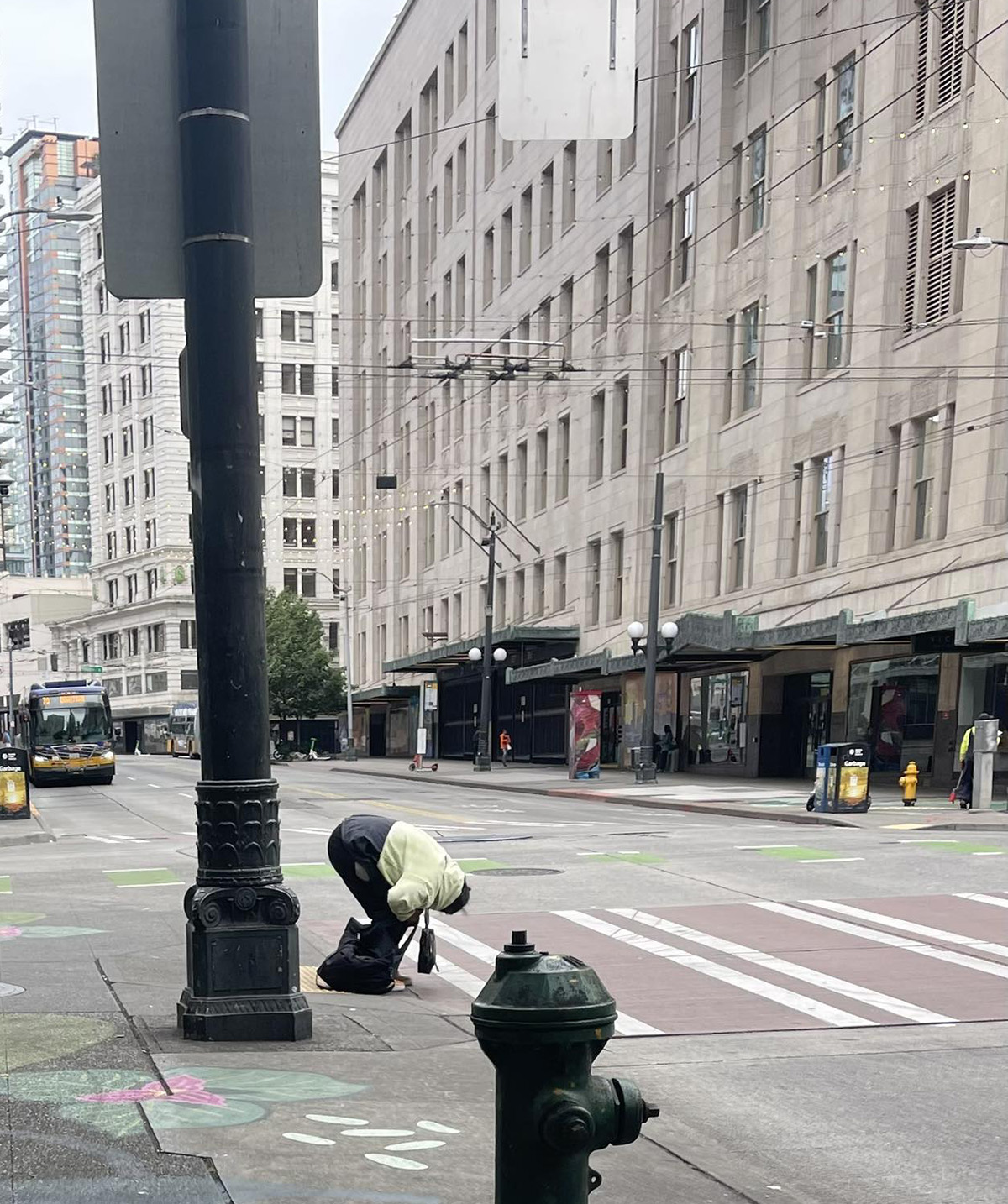
For many who have hit the rock bottom of long-term homelessness, the journey from here to there is a web of complications: family dysfunction, friend-groups full of users, missing IDs and birth certificates, systems of assistance both state-sponsored and charitable, run-ins with the law, and medical problems that the emergency room is unable to properly address. These are the lessons Dr. Anthony Bradley learned when he stepped outside the Acton Institute one day and befriended a young homeless couple on the streets of Grand Rapids. We’ll call them Jay and Brie.*
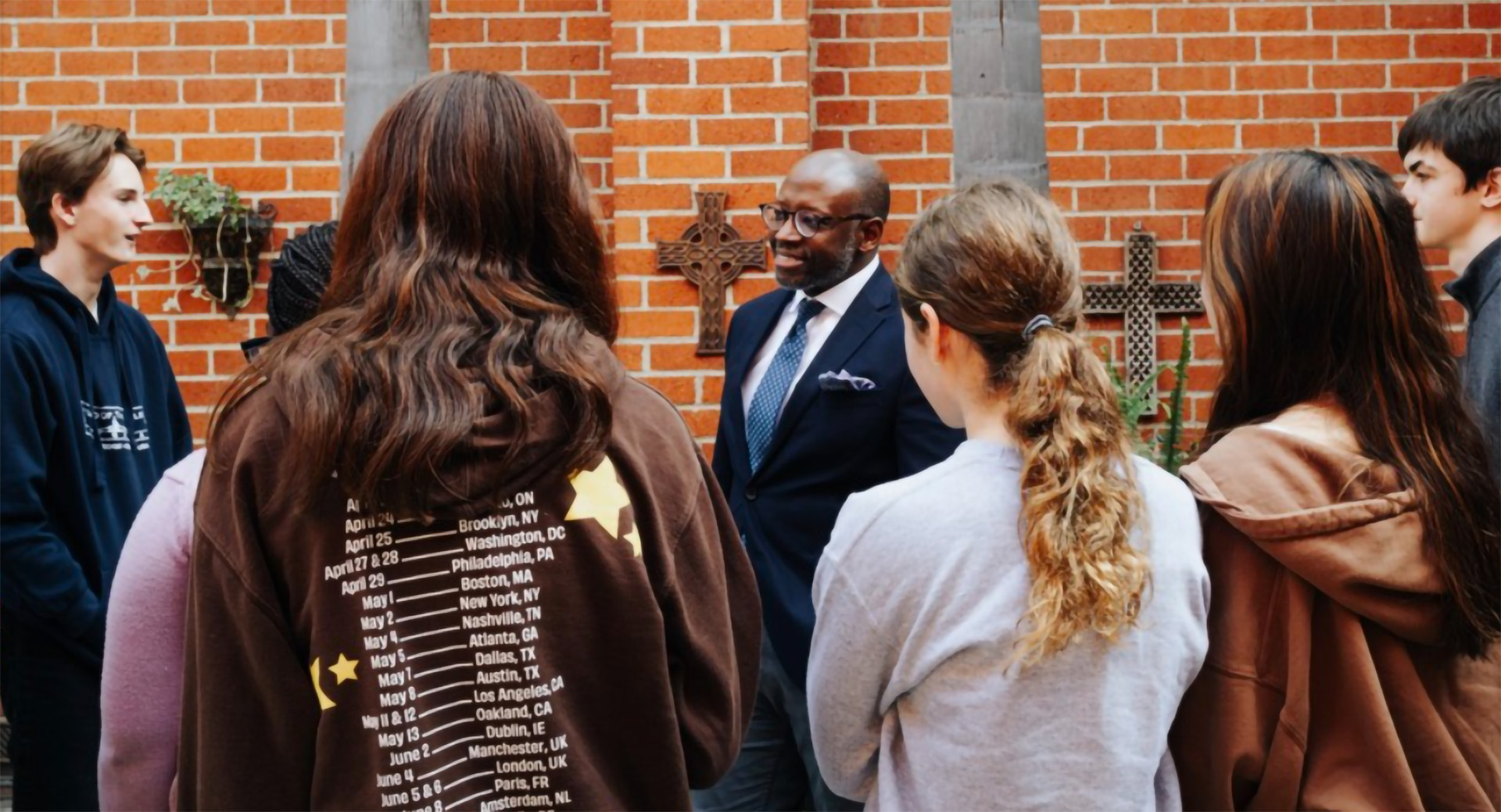
If you are aware of Dr. Bradley’s work, you know he’s a theologian with a broad range of social interests, including the psychology and social decline of fatherhood, healthy masculinity, and healthy eating, as well as the roles of race, economics, and civil society in solving massive social problems such as overcriminalization and mass incarceration. Although Anthony (a friend and colleague at the Acton Institute) is a member of the Presbyterian Church in America and a classical liberal, he is also a famously out-of-the-box thinker, infuriating almost everyone at one time or another by refusing to be intellectually pigeonholed. One of his most fascinating areas of interest is poor whites, whom he’s studied both on regular summer trips to Ireland and on his travels throughout the United States. Fascinating particularly because Anthony is a black man whose middle-class, well-educated family literally purchased the farm on which their ancestors had been enslaved. And yet it’s not unusual to hear him defend poor whites who protest the concept of “white privilege.” After all, a meth addict at the gas station in a post-manufacturing West Virginian ghost town will simply have no way of absorbing the idea. Whatever privilege she has over black people who hardly even exist in her state, it certainly hasn’t done her any good.
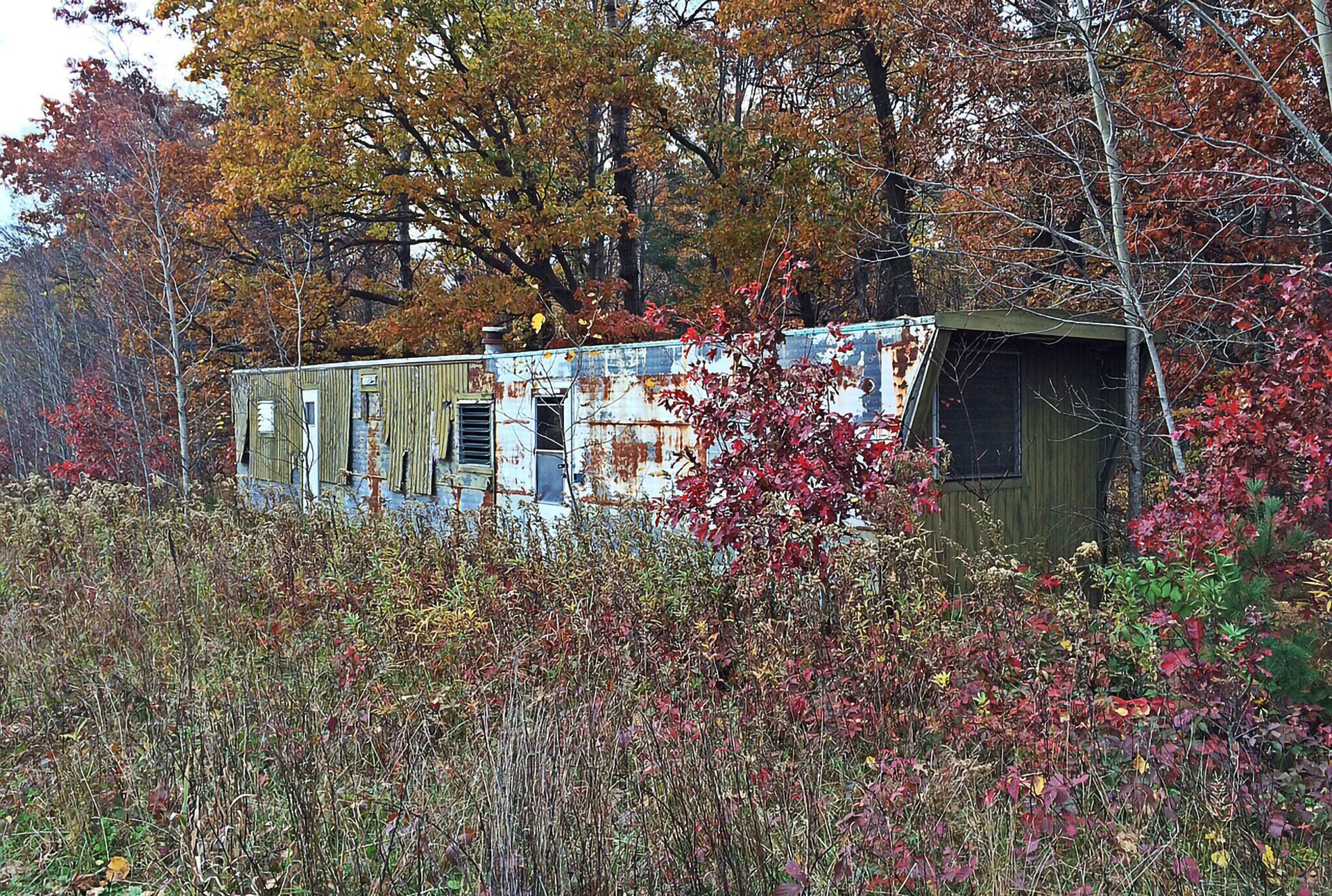
Jay and Brie are white. Concentrated urban poverty tends to be flashy: primarily black in many cities and Latino in others, known for gangsta rap and drive-by shootings, and memorialized in box office hits like Boyz n the Hood. But impoverished white Americans actually outnumber impoverished black Americans by three to one, which makes sense. Black American poverty runs about 20% of the black population, and white poverty hovers around 10% of whites. With six times as many white as black Americans, that leaves a whole lot of poor white people, even if black poverty is disproportionately high. But white poverty tends to be less visible, more dispersed, more rural, its crimes committed in some far-off trailer in the woods where no one is around to find out. This means that while crime is common in these rural communities, it’s not as contagious. It’s not run by gangs and won’t attract the same attention from police.
'Get a job' sounds like a perfectly reasonable first step until you meet men and women who, as children, were beaten, abandoned, raped, and traumatized in ways too evil to recount.
Other differences between the two groups exist. While marriage has become vanishingly rare in poor, black, inner-city neighborhoods, it’s not unusual to hear about six, seven, and eight marriages per person in the trailer park. My friend Cindy’s* mother married six times, although two of the times were to the same man, Cindy’s father. She moved constantly from one tiny apartment or trailer to the next, inspiring her now successful design and home-rehab business. She had a new opportunity to make a place feel as much like home as possible almost every year. Kevin Williamson, the famously acerbic writer for National Review, recounts his mother’s eight marriages in a harsh condemnation of the culture in which he was reared. J.D. Vance famously recorded his experience with his drug-addled mother in Hillbilly Elegy, although he had slightly more well-off relations to help him escape. While Vance used to share Williamson’s call to personal responsibility and culture change from within, his tune seems to have changed in recent years.
Jay and Brie are 19 and 20 and live in the small, human-scaled city of Grand Rapids, Michigan. Anthony meets Jay one weekday afternoon when Jay quite literally runs into him with his skateboard. For the sake of understanding the experience Anthony had, I’ll reveal what we know about Jay and Brie little by little, just as it was revealed to Anthony in the hundreds of hours of conversations with them that followed. As Olasky has pointed out in his journalistic work, the first story you hear from a homeless person might be true, but it’s usually not all there is to it. That’s why Olasky stays in a shelter for three or four days and has continued conversations with the same people. Stick with the relationship, and what you heard on day one will get a whole lot more complicated by day four.
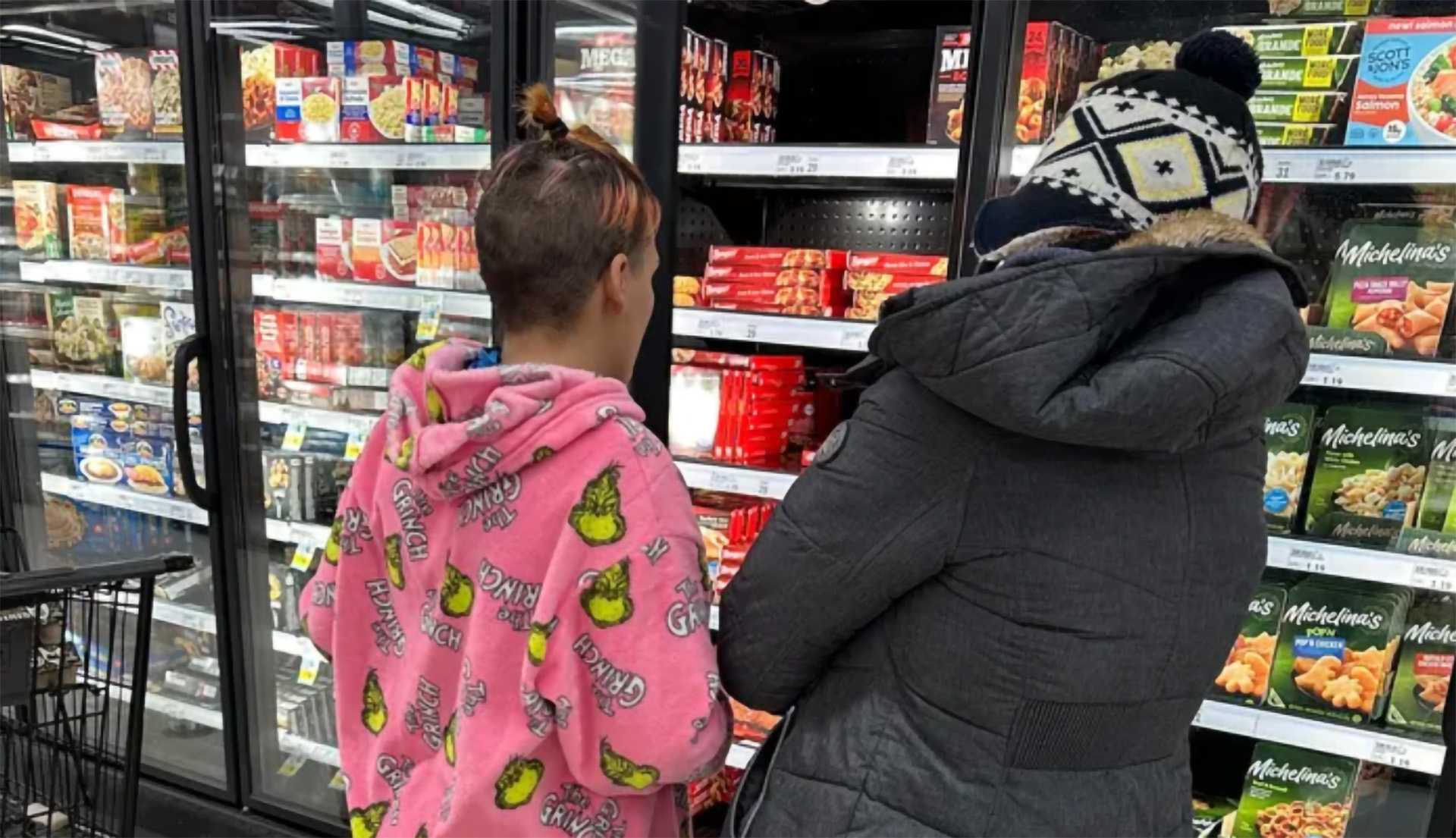
A curious social scientist with a strong penchant for pastoral care, and particularly for struggling young men, Anthony boldly asks Jay what he is doing skateboarding down the street at 1 p.m. on a weekday. Why isn’t he working or in school? He finds out that Jay is homeless and so takes him to lunch. One lunch turns into regular lunches and small bags of toiletries. Jay isn’t hard to find. He lives in a “pod” of homeless folks set up near the Acton Institute’s headquarters. These pods are common and create a kind of community, including (usually) a matriarch who bears some authority over the rest of the group. It’s a testament to how rare the wandering “hobo” really is, although this type does exist. For most human beings, we at least need a spot, a few friends, and some sort of communication and continuity to survive.
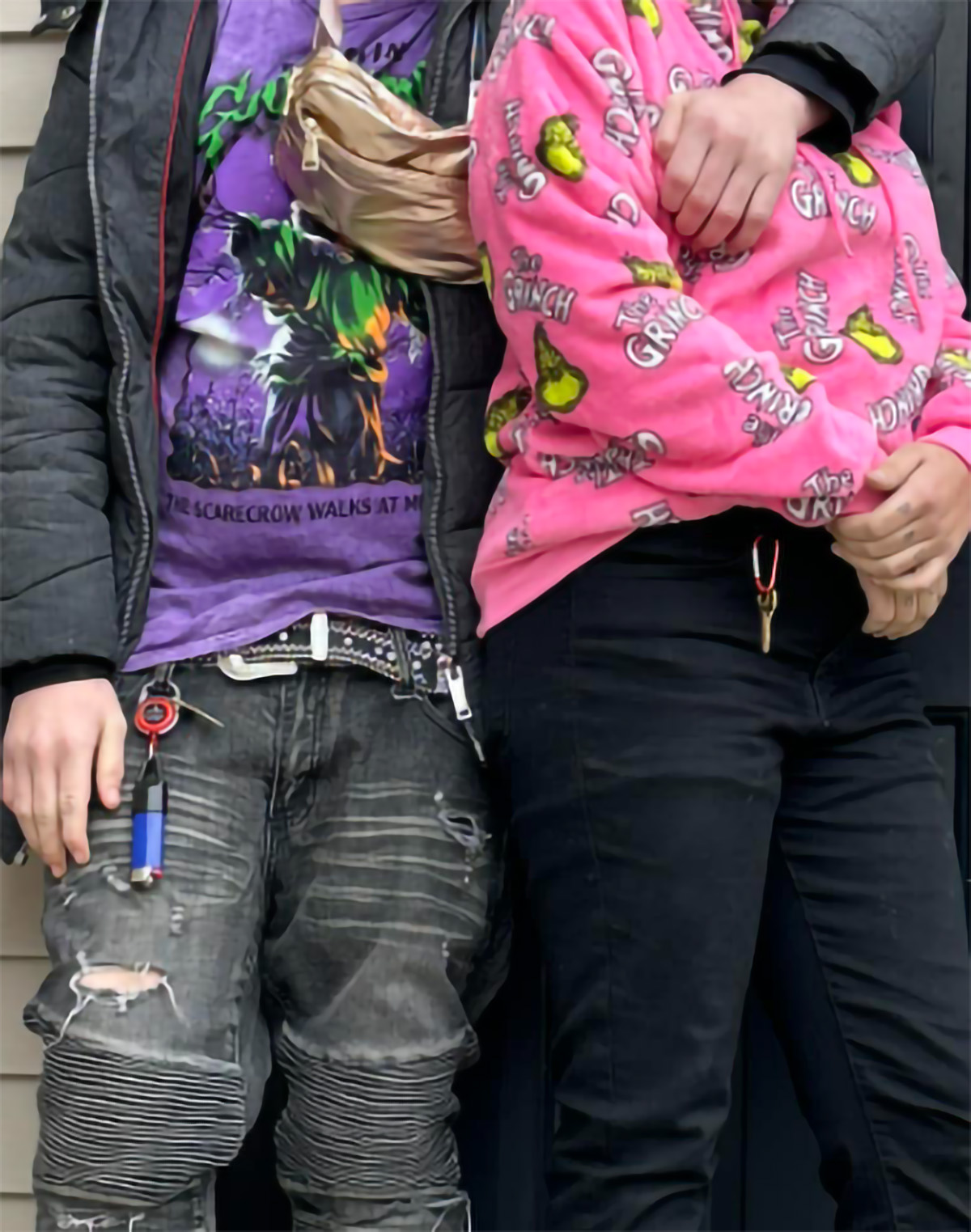
Anthony becomes concerned one week when he doesn’t see Jay for a few days. Has he OD’d? Is he OK? Finally, he receives a call from the Ottawa County Jail. After 20 years of teaching students, Anthony has always maintained that any of his students can call him if they are arrested and he will come bail them out of jail. So he goes to get Jay, who is seriously underclothed in the 30 degree weather. He takes him shopping for a few basics. A coat, some underwear. Something about this exchange shifts the relationship. Anthony becomes determined to get Jay housed. It’s getting cold in Michigan, and Jay is living under a bridge. He had been sleeping on the floor in the basement of his family’s house. After a family fight, Jay’s grandfather lit a bed on fire, which set the house aflame, and the house was condemned. As the family members scattered, Jay’s mother and her boyfriend moved to a motel, but Jay was not invited—her boyfriend doesn’t like him. This means that Jay is someone on the edge; without the house fire, he might still be a member of the working poor.
One day, Jay tells Anthony that he wants him to meet his girlfriend. Since the couple had not eaten all day, Anthony offers them a nice meal at one of his “foodie” restaurants, but they prefer McDonald’s. In Grand Rapids, by late October or early November, it’s already in the 30s. Brie, oddly, is wearing a Santa suit to stay warm. Brie’s stepmother had kicked her out of the house after she fought with her. She’s been off and on with Jay since high school, so now they’re together on the streets. Fights often lead to 911 calls and even restraining orders, but they always end up back together. This is the same day that Anthony finds out the central fact that will determine what happens over the next nine months. Brie is pregnant.
At this point, Anthony determines that he’s got to get Brie out of the cold and into some kind of shelter. Here, his first major obstacle presents itself: Jay and Brie want to stay together. In fact, they want to get married, which Anthony is all for. He’s known for telling young men who have impregnated their girlfriends that they should get married, and on one occasion even married a couple the day after he met the man on an airplane. One day, Anthony takes them to the Kuyper College chapel to run through the ceremony for practice. They begin to make plans to get a marriage certificate, a task that will prove more difficult than it sounds. There’s also a ban on couples staying together in shelters, which has nothing to do with highfalutin morality or concerns about sex outside of marriage, as Anthony painfully learns. The ban is about violence.
It’s frustrating to Anthony that there are programs for single moms and separate programs for men but nothing for families. Why can’t these shelters find a way to keep families together? When I challenge Anthony on the reasons these shelters may have for the limitation, he admits that most of these couples do have the concerns I discerned: histories of domestic violence and out-of-control sexual behavior in co-ed spaces. But Anthony maintains there needs to be some sort of third space, a way to coach couples through family-relationship skills. Many of them have never seen a healthy example, and their backgrounds give them a terribly high tolerance for destructive behavior and chaos. The obstacles for shelter workers are real, but we also can’t keep kicking the can down the road forever.
Finally, he does find some programs that house couples, but their open slots are months out. The supply of family-based programs is too low. At this point, Anthony is losing sleep over Brie being pregnant in the cold. He admits that if she weren’t pregnant and it had been summertime, he may not have intervened beyond referral to some institutions. But they were sharing a one-person sleeping bag in a Michigan November, and on one occasion, when he brought them some food, Brie was shivering in her Santa suit.
By this point, Jay and Brie are contacting Anthony several times a day with a need for food and other basics. (They keep their phones charged by using an outdoor outlet outside a gym.) At Thanksgiving, Anthony’s family jokingly refers to Jay and Brie as Anthony’s children. “How are the kids?” they ask when he receives yet another text message. One might ask whether it’s foolish to get into a relationship of constant support for a homeless couple, but Anthony has a goal in mind. These kids want to get married, they’re having a baby, and Jay seems like someone who would be working if it weren’t for a highly dysfunctional family and a condemned family home. Why not help them get on their feet, get this baby to term, and see if their situation can be transformed?
White poverty tends to be less visible, more dispersed, more rural, its crimes committed in some far-off trailer in the woods.
In Jay and Brie’s case, only one of these goals would be achieved in any long-term sense. With the help of GoFundMe, Anthony is able to raise $15,000 to get them into an apartment. A Grand Rapids businessman of deep Christian faith offers low-rent apartments to struggling people, knowing that setting them up within walking distance of a grocery store, some job opportunities, and important government offices makes it much more likely to work out. The apartments are very simple, and the rules don’t allow any overnight visitors. Anthony co-signs the lease.
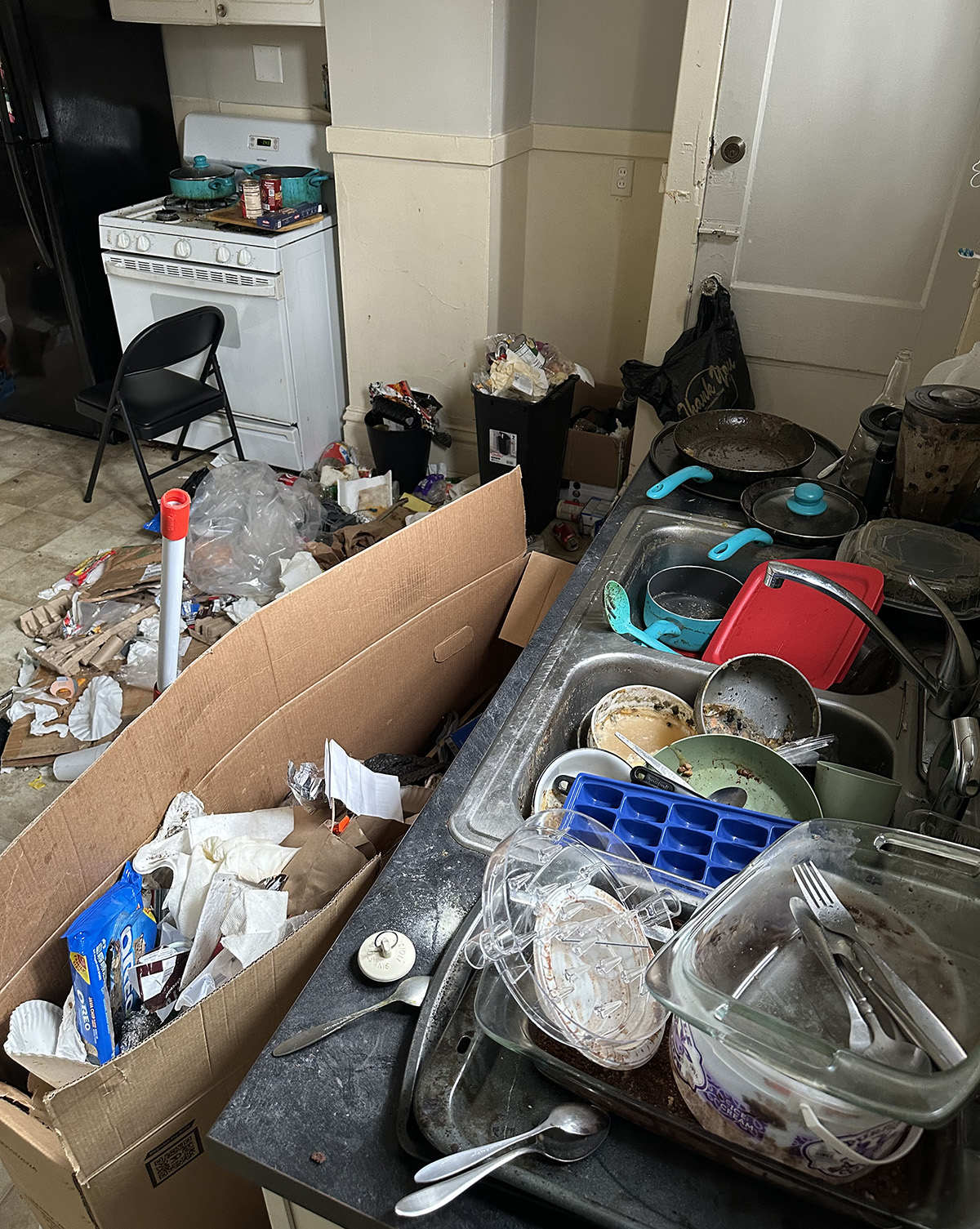
This set-up works for a significant amount of time. Anthony has to make them promise not to have any of their old companions over, including family members. He quickly realizes, however, that they don’t know how to keep a house or, really, even themselves. He teaches them how to clean, to cook healthy food, and to take a shower each day. Away from bad influences, they were able to stay clean from drugs for three months—a blessing to the baby growing in Brie’s womb. Out of the weather, taking good care of themselves, and off drugs, they fare well, although the place sometimes falls back into chaos until Anthony comes by to encourage them to get it cleaned up again. Emotionally, Jay and Brie are less developed than many teenagers, having essentially raised themselves amid neglect and abuse.
As Anthony gets to know the couple better, Jay’s and Brie’s stories grow darker. Both had been horrifically sexually abused as children, and by their own relatives. Jay already has a few domestic abuse charges against him, brought by Brie herself. This also isn’t their first baby. Brie has given birth to three other babies, all of whom have been taken away by the state. Jay has fathered six children (although three of them were triplets).
Jay also resists Anthony’s encouragement to find work. Anthony offers help in the process of getting IDs. There are three basic ways to identify yourself: a state ID or driver’s license, a social security card, and a birth certificate. Unfortunately, you need two out of three to prove much of anything to the state, and both Jay and Brie have only one out of three each. They have also lost access to government benefits, at least temporarily, due to some violation of the rules. Jay expresses interest in working at FedEx, but that fades quickly. He says that he has a bad knee and is disabled, and that he has too many anger issues to work for a boss. He is also certain that the back payments from their time banned from benefits will be delivered in one lump sum, and they’ll be back on benefits after that.
Jay already has a warrant out for his arrest because he didn’t pick up the phone to talk to his parole officer several weeks back, another example of his struggle with executive function. Although the apartment lease demands no overnight guests, Jay and Brie invite another couple from the “pod” to live in the one-bedroom apartment. When Jay and the other man get into a fight, the police are called. They call Anthony, who appears on the scene to find Jay’s mother there—the one person Anthony had absolutely banned. A crack addict and abuser herself, Jay’s mother is deeply toxic.
While Anthony answers the police officer’s questions, Brie appears in the door with a black eye. As their stories go, Brie fell down and hit her eye and someone called the police; or Jay’s cousin was walking down the street and was angry about money Jay owed him and the cousin physically assaulted Brie and that’s how she got the black eye. Neither Anthony nor the police believe any of these stories. In the ensuing melee, Jay bites a cop in the arm, runs, and remains on the run for days. When Anthony encourages Jay to turn himself in, Jay claims to have slept in jail and been released, but no record of this exists. What actually happened is that his mother got a friend to drive him up north to hide. Under all this stress, Brie starts using again, supplied by Jay’s mother, the grandmother of the child with whom Brie is pregnant.
Anthony Bradley has always maintained that any of his students can call him if they are arrested and he will come bail them out of jail.
Without going into detail, I will simply say that Jay’s mother and her boyfriend found a way for Brie to pay for the drugs, since she had no money. What they did to Brie was so evil that I cannot bring myself to type the words. It reminds one of Aristotle’s famous commentary on human nature: “When perfected, man is the best of animals, but without law and justice, he is the worst.” Human beings will do to one another things that would never enter the mind of the most vicious animal predator.
This series of events means that, of course, both Brie and the baby, named Jay Jr., test positive for cocaine in the hospital. Jay is finally found and sent to jail. The baby is taken away by the state, and the list of requirements to get the baby back will take years of rehabilitation, and maybe even relocation, to achieve. Having violated the terms of the lease—and time being up anyway—Brie moves in with Jay’s grandmother, who is also a crack addict. There is one attempt to bail Jay out by Anthony and Jay’s father, a solid guy who works as a mechanic. Their plan includes staying away from Brie and his mom, getting tested for learning issues, and pursuing work. Jay swears on various graves that he is ready to do all these things, but on the very day he is bailed out, he returns to the toxic environment he had promised to avoid. Anthony puts it this way: These are people who live at “the intersection of trauma and addiction,” and there’s no program, short of genuine adoption by some kind of new family, that can break the pattern.
The final outcome is the best we could have hoped for given Jay’s and Brie’s choices. Baby Jay is born safely and appears to have no major issues. One of the social workers is clear that, without the time in the apartment, the baby would not have made it to full term, and since Brie would have been using the whole time, the outcome could have been devastating for the child. Instead, Brie is safe and warm in a low-stress environment and eating the best she ever has in her life. Baby Jay is in the process of being adopted by a wonderful, solid cousin with whom Anthony had worked closely in the process of helping Jay and Brie. This baby never asked to be born into this level of chaos and perhaps will never even need to know the extent of it. What he may also not know is just how many people, how many hours, and how much money was spent to make sure he made it into this world.
Anthony lists three major things he’d change if he ever worked with a couple like this again:
- Separate them. Brie and Jay were feeding into one another’s bad patterns. In fact, Anthony is certain that Jay could have stayed on his feet if he’d been on his own, but that the deep wounds inflicted on him by his mother made him feel that he could not function without Brie. She was his surrogate mother—and he, her surrogate father.
- The PTSD, and the ensuing addiction, has to be addressed first. Every period of progress was undermined through the allure of the addiction. And the addiction is driven by the horrific memories of abuse from which they were always running. This is a tough one, though. High levels of mistrust and trauma meant that both Jay and Brie refused counseling, even when it was offered for free.
- Use incentives. Anthony set them up in the apartment with everything they needed, including a TV, internet, and phones. Instead, providing basics but allowing a person to participate in earning extras helps emotionally stunted people begin to develop delayed gratification, executive function, and self-esteem.
In the end, Anthony is even less sanguine about policy solutions than he was before. Getting the policies right simply does not provide the kind of emotional and spiritual support that Jay and Brie needed. Instead of Universal Basic Income, Anthony suggests Universal Basic Community. With over 300,000 churches in this country, one or two individuals or couples could be adopted by the whole community, all of whom are needed to undo the damage of abusive backgrounds and years on the streets. Sometimes people need to be moved to a whole new city to get away from nefarious influences, and denominations and church commitment could help with this, too. It’s simply too much for one person to address, but it’s not too much for a surrogate family, especially one with enough savvy to know when to include professionals and how to draw boundaries with an emotional middle schooler in the body of a full-grown man or woman. That’s not an insult. It’s just a fact of human psychology.
Anthony’s psychological analysis is helpful here. Having received no real care from their parents, folks like Jay and Brie never have the sense that every child should have—that they deserve to be cared for. Sadly, the only institution in the offing for the Jays and Bries of the world is the state, whose bureaucratic systems they navigate well. But the state cannot help Jay and Brie. The state cannot love them, cannot walk through their trauma with them, cannot drive them to the recovery meeting or coach them through conflict at work. Only people can do that. And what is the church supposed to be in this world, except universal basic people? Universal basic community.
*The names have been changed to protect their identities, and dignity.