


Fusionism—once the intellectual core of American conservatism—today faces a profound crisis. Initially conceived as a harmonious union of liberty and virtue, designed to reconcile free markets with moral order, it now teeters precariously between competing extremes. On one side, the New Right increasingly advocates for state-imposed virtue; on the other, libertarians have split into right-wing populists and progressive cosmopolitans. Many have declared fusionism obsolete—a relic ill-equipped to address contemporary political challenges like immigration.
Fusionism isn’t dead. It’s just getting started.
This crisis is an opportunity. The inherent tensions within fusionism—liberty versus virtue, culture versus politics, and markets versus community—help us see constructive renewal. Instead of abandoning the fusionist ideal, we must begin by defending its core claim: Liberty and virtue reinforce one another.
Unfortunately, fusionists are not always clear about how reinforcement works. I propose three complementary strategies: (1) the Virtue of Justice Strategy, which casts liberty as a requirement of justice; (2) the Ruler’s Burden Strategy, which stresses the corrupting effects of state coercion on those who coerce; and (3) the Moral Ecology Strategy, the standard fusionist strategy that stresses that virtue naturally developed within voluntary associations and market interactions.
At the core of the fusionist debate lies an essential question: Is liberty merely compatible with virtue, or does it represent a core component of virtue itself? The strongest fusionist perspective argues that liberty is not simply an external condition wherein virtue might flourish, but rather an intrinsic dimension of a genuinely virtuous life. This constitutive view refuses to reduce liberty to a mere instrumental good or to set liberty and virtue in opposition.
Central to this understanding is the concept of justice, distinctly social among classical virtues. Unlike prudence, temperance, or courage, justice intrinsically involves our responsibilities to others. Classical moral philosophy—such as that taught by Plato and Aristotle—often understands virtue as intrapersonal, arising from the proper ordering of the soul. Modern Christian philosophy, by contrast, stresses that justice rests on interpersonal factors, such as the dignity of all persons as made in God’s image. If our dignity demands a measure of freedom, and justice requires respect for dignity, then one can only have virtue if one grants others the freedom they are owed.
If justice demands respect for individual liberty rooted in human dignity, coercive attempts to enforce virtue appear morally questionable. Justice is a free response to the freedom we owe others, constraining how the state may coerce us. Legitimate coercion—such as laws against violence or fraud—is required to protect fundamental rights; unjust coercion undermines the dignity it claims to uphold. By extension, it undermines the virtue of those who impose such coercion.
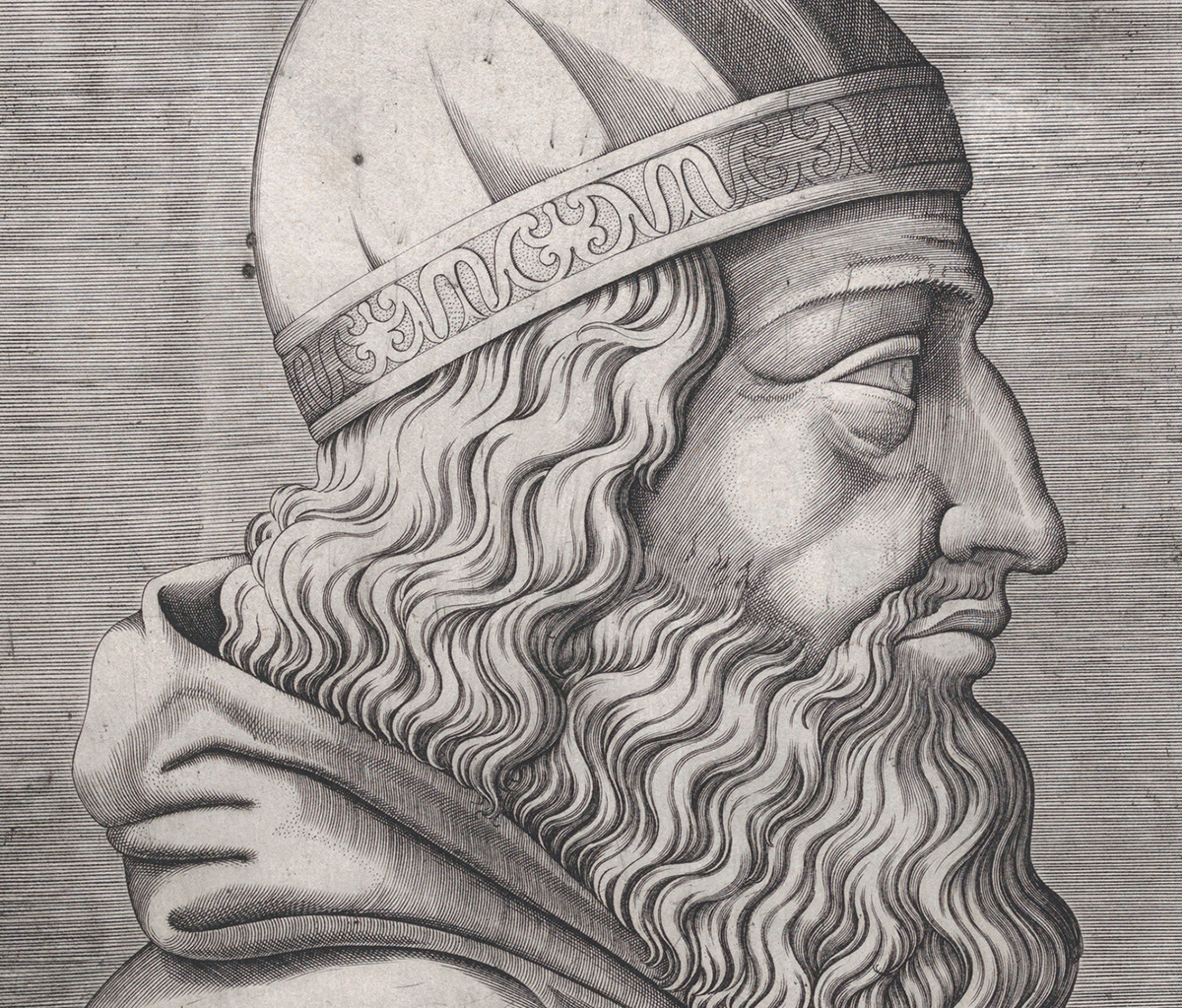
This constitutive strategy explicitly counters radical libertarianism, which often mistakenly separates liberty from the objective moral order, by firmly rooting liberty in norms based on human dignity. Consequently, it clarifies why diverse moral traditions—from libertarians and neo-Kuyperians to Catholic social thought—consistently converge around core liberties such as bodily integrity and religious freedom. Such consensus does not eliminate policy disagreements; instead, it reaffirms the foundational boundaries established by a shared commitment to human dignity.
Critics may argue that this constitutive strategy implicitly embeds liberal assumptions into the concept of justice without adequate justification. The strategy, however, intentionally remains open-ended regarding justice. It does not commit to a particular theory of justice, even if the Virtue of Justice Strategy rules some conceptions of justice out of bounds. Practically, this strategy results in specific recommendations:
1. Protect religious and moral freedom as nonnegotiable.
2. Recognize property rights as a moral imperative.
3. Ensure ordered liberty, distinguishing it clearly from license.
4. Protect the family as a foundational moral institution.
5. Promote decentralization and institutional diversity as protection against coercion.
The Ruler’s Burden Strategy emphasizes that excessive governmental power corrupts those who wield it. While fusionists often highlight how freedom benefits citizens, less attention has been paid to the moral consequences faced by rulers and officials who exert coercive authority. From Plato’s tyrant and Hegel’s master-slave dialectic to Adam Smith’s man of system, we learn that wielding unchecked power can distort moral character, creating pride, moral blindness, and a loss of empathy.
Tyranny corrupts the ruler’s soul through a cycle of moral decay and insatiable desire. Similarly, masters lose their autonomy, becoming dependent on those they dominate. Master-slave relations enslave the master. Adam Smith warned that central planners, or men of system, dismiss the individual’s complexities and capacity for self-governance, leading to moral superiority and failed policy simultaneously. Each insight highlights a critical truth: Unchecked power not only harms the governed but also deeply damages the rulers themselves.
Instead of abandoning the fusionist ideal, we must begin by defending its core claim: Liberty and virtue reinforce each other.
I argue that the corrupting potential of power can generalize, even as it can infiltrate the lives of seemingly benevolent government agencies. Some may say that bureaucrats within democratic governments don’t resemble tyrants and slave masters. They have too little power and mean well. Yet even well-meaning officials encounter moral hazards. When regulators or officials learn that they implement policies that cause harm or injustice, they have a choice: They can either rationalize their complicity or respond to uncomfortable moral truths. Rationalizations, however, undermine virtues like honesty, humility, and integrity.
Therefore, the Ruler’s Burden Strategy requires limiting government power to clear, beneficial policies that respect human autonomy and diversity. It requires institutions that do not press regulators into compromising their principles. By constraining coercion, fusionists can ensure that officials protect freedom and retain their integrity. A restrained government ultimately benefits rulers and the ruled, promoting mutual respect and moral flourishing.
The Moral Ecology Strategy emphasizes that true virtue arises organically from dynamic interactions within voluntary associations, local communities, and market processes rather than through state coercion. Virtue flourishes best in decentralized and self-organizing systems wherein individuals can engage one another on free and sincere terms.
Philosophers such as Edmund Burke and Alexis de Tocqueville persuasively argue that moral virtues arise within associations, such as families, churches, and civil associations. These organizations encourage prudence, responsibility, and sympathy through voluntary activities, mutual accountability, and the experience of serving others.
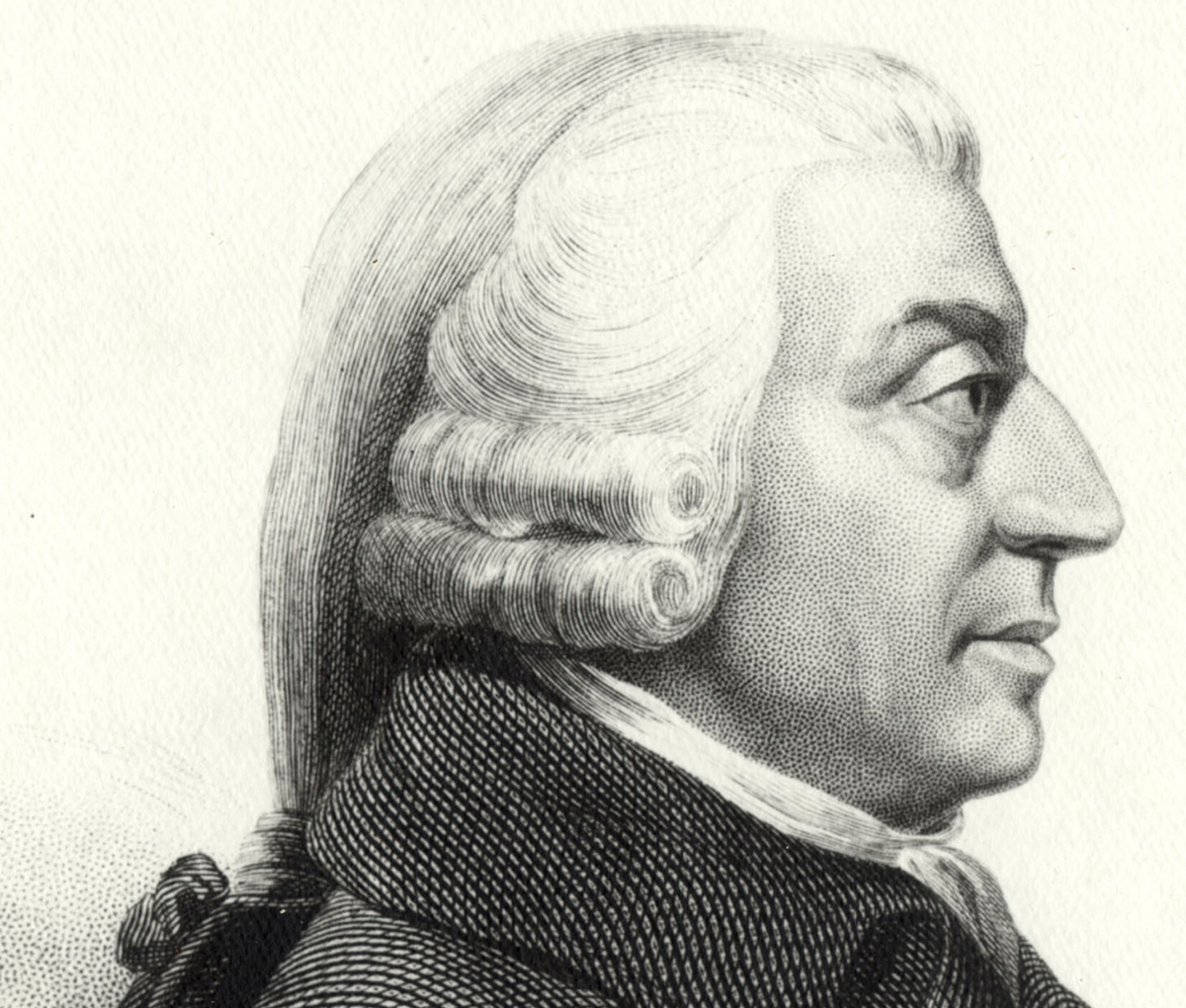
Historical and empirical studies strongly support these insights. Tocqueville famously documented how 19th-century America used associations to strengthen civic virtue and community resilience. Modern social science confirms that a culture of associations correlates with higher social trust, cooperation, and civic engagement. Conversely, heavy-handed government interventions often disrupt organic communal orders, depriving them of their ability to sustain moral excellence. Markets also figure into the virtue story. Market activity usually cultivates virtues like honesty, fairness, and reliability, encouraging market actors to form relations of trust and reciprocity. As Adam Smith argued, market relations incentivize ethical behavior naturally.
The Moral Ecology Strategy thus advocates policies that empower local institutions, protect community autonomy, and encourage voluntary associations.
The first critical challenge for a renewed fusionism is clarifying the complex interplay between culture and politics. Classical fusionists such as Richard John Neuhaus and Russell Kirk have emphasized that cultural institutions—religious groups, local communities, and voluntary associations—are required for political stability and virtuous rule. Moral values and social norms shape and stabilize political institutions.
In contrast, the New Right insists that political institutions actively shape cultural values. Virtuous politicians must actively guide society to observe traditional moral norms. The New Right thus presumes that government significantly impacts cultural practices and beliefs. That legitimizes state action to preserve moral order against liberalism’s disruptive effects.
In my view, a renewed fusionism must accept a feedback model between distinct elements of culture (norms, conventions, values) and distinct elements of politics (legislation, regulation, executive orders). Drawing on Gerald Gaus’s vision of the open society, fusionism should view society as a complex adaptive system characterized by rich interactions between social factors. In this model, culture influences political expectations and constraints, but political decisions inevitably affect cultural developments. Neither culture nor politics alone can fully determine societal outcomes.

To accommodate feedback between culture and politics, fusionists must advocate institutions that create resilience from interactive effects in moral and political culture. One way to approach this institutional design problem is through polycentric governance structures. Following Elinor and Vincent Ostrom, polycentric orders contain distinct and autonomous social agents that interact under a shared system of rules and that have overlapping jurisdictions.
One common example is an irrigation system that local farms maintain, especially Spanish irrigation communities, or “acequias,” that have existed for centuries. These systems will have local water-use associations that set allocation schedules and different forms of political decision-making at the canal, village, and watershed stages. The communities run their own monitoring, impose graduated sanctions for violations, and have diverse conflict-resolution mechanisms. The Ostroms show that these systems can manage shared resources apart from government control or privatization. These systems allow for the use of local knowledge, encourage modest experimentation, and adapt to changing conditions.
A new fusionism will model politics-culture interactions in such polycentric terms. While political structures can affect cultural ones, fusionists hope to organize society so that multiple, overlapping groups can coordinate to produce valued outcomes apart from the state. When the state intervenes, it can change cultural norms, but only if the polycentric order accepts and adapts to the norm the government hopes to promulgate. The fusionist can argue that, while certain institutional forms allow politics to influence culture, especially monocentric systems with a strong executive, the best conservative institutions will significantly limit this channel of influence, and rightly so.
How would this look in practice? The first requirement is federalism, which is necessary to create the distinctive agents in a polycentric system. Government functions that require centralization should also try to decentralize decision-making according to a principle of subsidiarity. We must allow competition in providing all kinds of services, such as education, and allow for a rich associational life through moral and religious liberty.

Addressing the Culture-Politics Causation Problem requires fusionists to clearly articulate how cultural and political forces coexist in a dynamic equilibrium. Such a model allows society to cultivate virtuous citizens and stable institutions without resorting to either cultural neglect or coercive political interventions.
The second critical challenge of order is balancing local communities’ autonomy and integrity with national economic development. Fusionists want traditional communities to flourish but also embrace the free market, a system of creative destruction that can erode communities. Critics of capitalism often argue that rapid economic change weakens social groups like families and churches, and undermines local institutions broadly.
Yet fusionism rejects both laissez-faire market absolutism and central planning. It should, instead, embrace as much polycentrism as it can. Local communities can self-regulate and compete with other jurisdictions, and adapt in response to change. The goal is to admit the creative destruction of the market but to give communities tools either to opt out of those phenomena or to adapt to them effectively. Through decentralized governance structures and effective institutional design, partly led by the central government, communities can build their own stability. They can largely preserve themselves while taking advantage of markets.
Gerald Gaus’s analysis of open societies bolsters fusionism’s position. Gaus argues that institutional pluralism and polycentric governance allow diverse people with diverse perspectives to harvest the benefits of diversity while resisting many of their costs. Through polycentric governance, people can form unique communities, and everyone else can sort themselves between them. The goal here is not to produce diverse but internally homogeneous political units. Instead, the exchange and adaptation process produces better social outcomes. Thus, a new fusionism should focus on designing polycentric systems where local communities can become resilient. Such communities can manage change and preserve their character, all while resisting state intervention.
Fusionists hope to organize society so that multiple, overlapping groups can coordinate to produce valued outcomes apart from the state.
Think of it this way. The fusionist accepts the New Right’s claim that politics can influence culture and that markets can destabilize communities. A new fusionism, however, contextualizes when the New Right is correct and the circumstances in which they are wrong. The problem with the New Right’s approach to order is to postulate static directions of influence when, in fact, directions of influence are partly a function of institutional design. This is a point that the first generation of fusionists missed.
A new fusionism understands that the New Right is correct under certain institutional conditions—specifically where monocentric power structures allow politics to dominate culture. However, fusionists need not accept this reality; a new fusionism seeks to alter those conditions. Via polycentric institutions, we can create a social order where the claim that politics determines culture is no longer true. In such an order, cultural institutions adaptively resist state power. Local institutions can learn to preserve themselves against creative destruction.
The old fusionists told us that politics was downstream of culture, and the New Right tells us that culture is downstream of politics. A new fusionism, however, tells us that we can direct the stream. And where the New Right insists that markets have a predictable and negative effect on local communities, a new fusionism can stress the possibility of social learning within and between these communities.

Fusionism needs an intellectual reboot to respond to the New Right. In my view, modern social science, especially the study of complex and polycentric systems, can help that process, as can resources on liberty and virtue from contemporary political philosophy and moral psychology. The tools for a new fusionism are already on the table.
To address the liberty-virtue relationship, we must disaggregate it into a collection of theses about the causal and conceptual relationships between particular forms of liberty and specific virtues. I have laid out three potential relationships between liberty and virtue, but I am sure there are others. To address the order challenges, we must also disaggregate core concepts, such as politics and culture, and specify their potential relationships. Yet we must also understand that the order challenge rests on static models of social change and presumes that these relationships cannot be shaped by institutional design. A new fusionism will recognize that the New Right is sometimes correct about the character of our current order. But by way of institutional design principles, like polycentrism, fusionists can improve our social order to mitigate the state’s power to shape culture in untoward ways. We can falsify the New Right’s deterministic claims in practice.
The hope for a 21st-century fusionism is that the puzzles and problems that fusionists face can be answered with the tools from the contemporary humanities and social sciences. Fusionism was always an intellectual adventure. It can be again.